THE PRACTICE
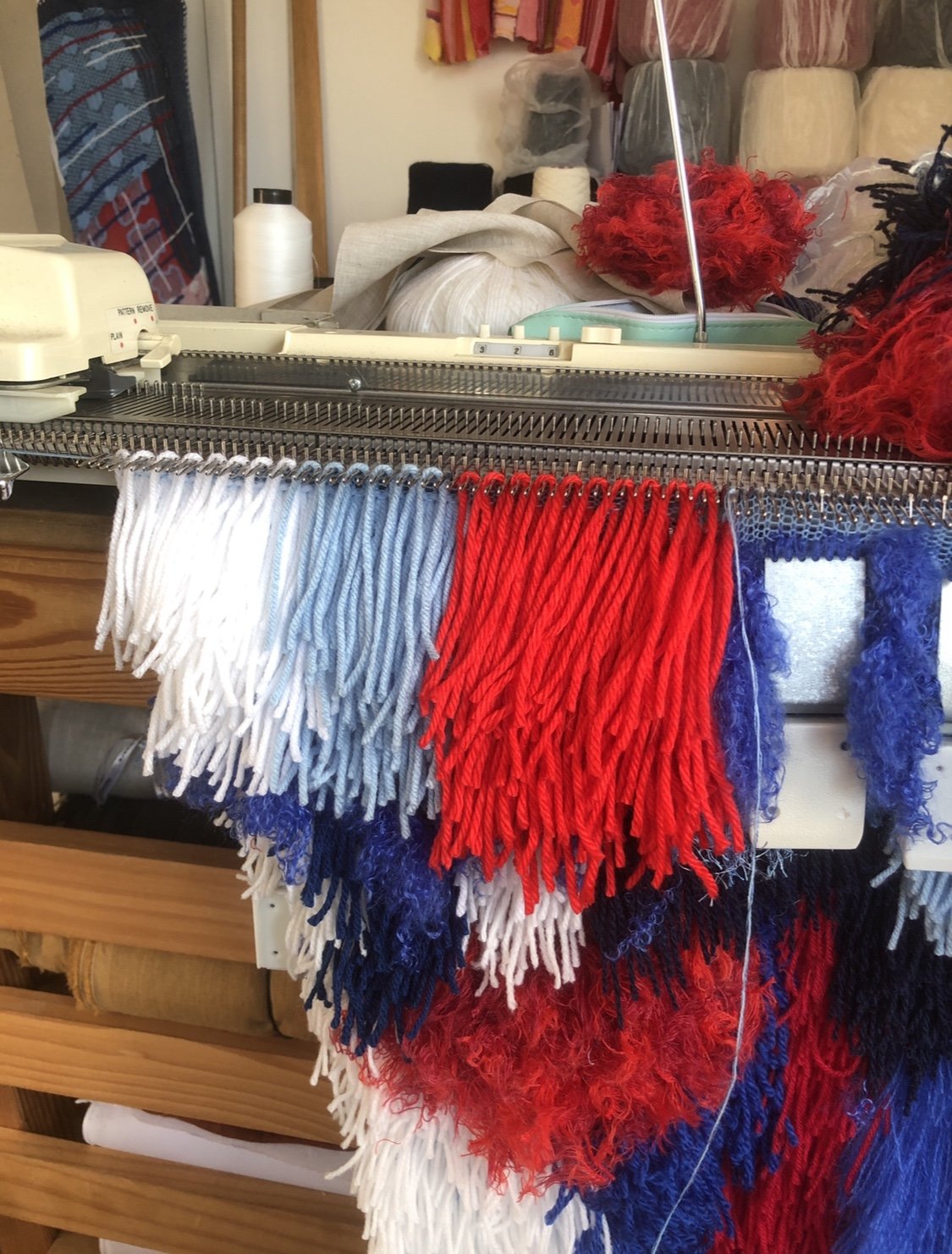
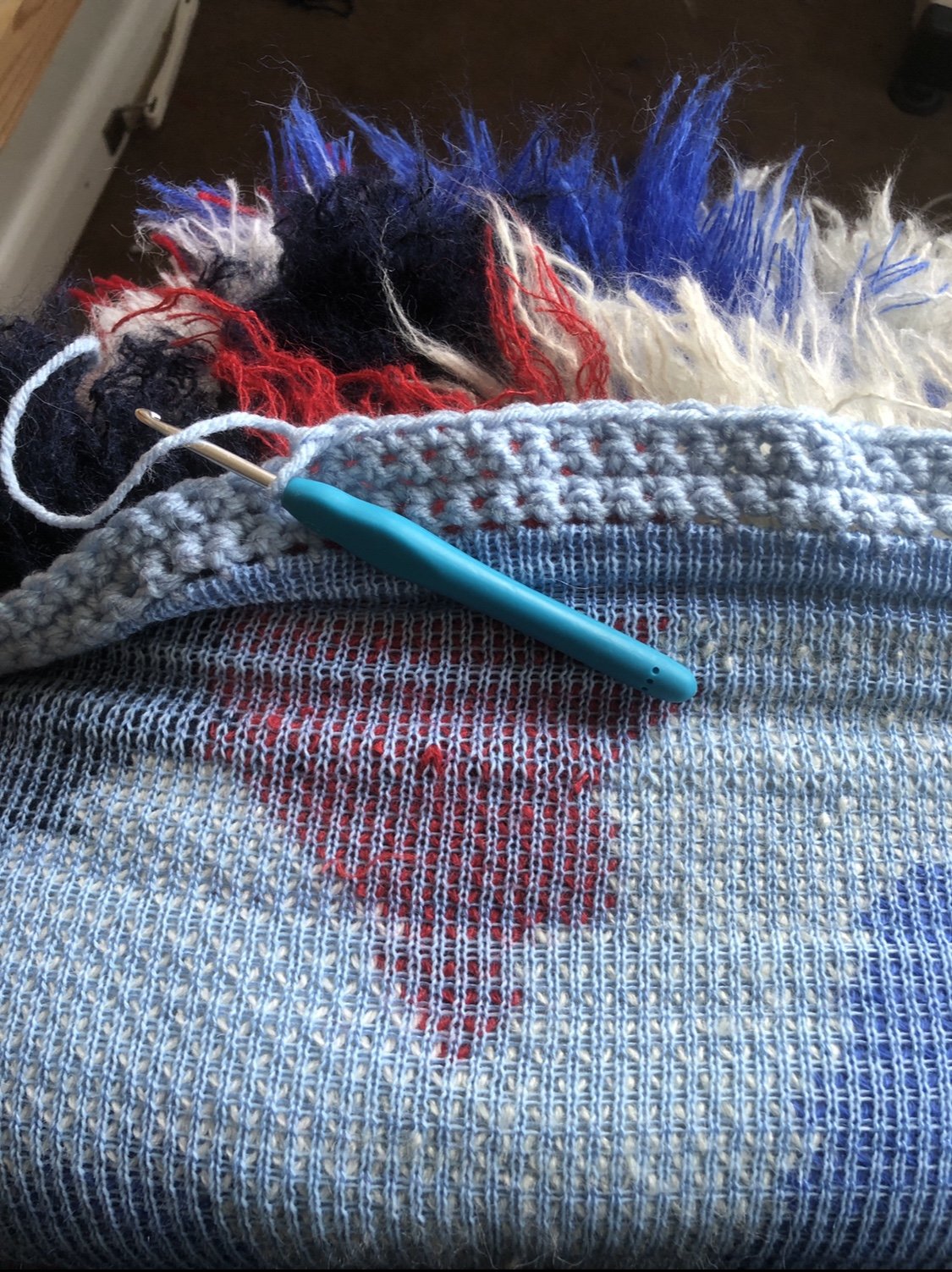
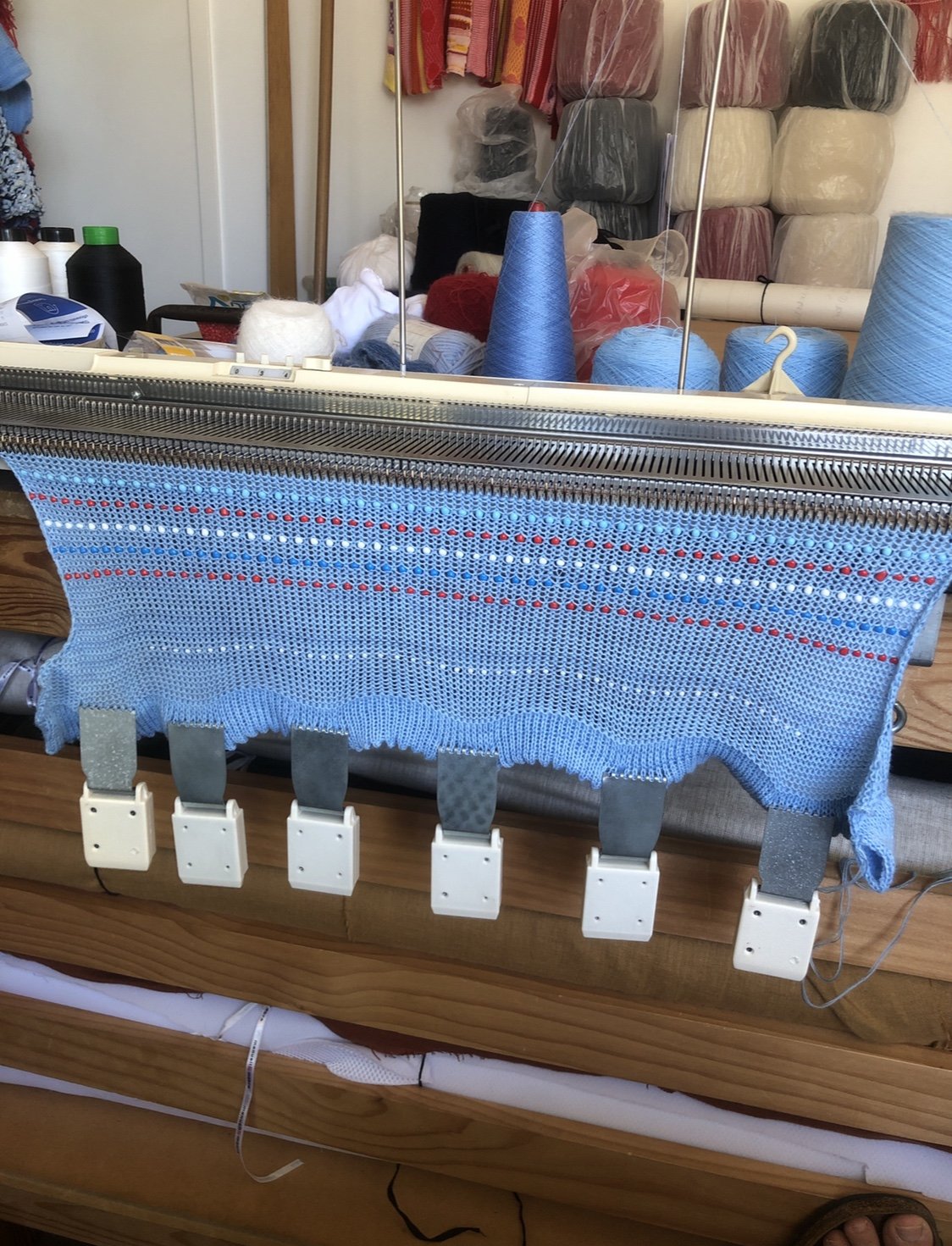
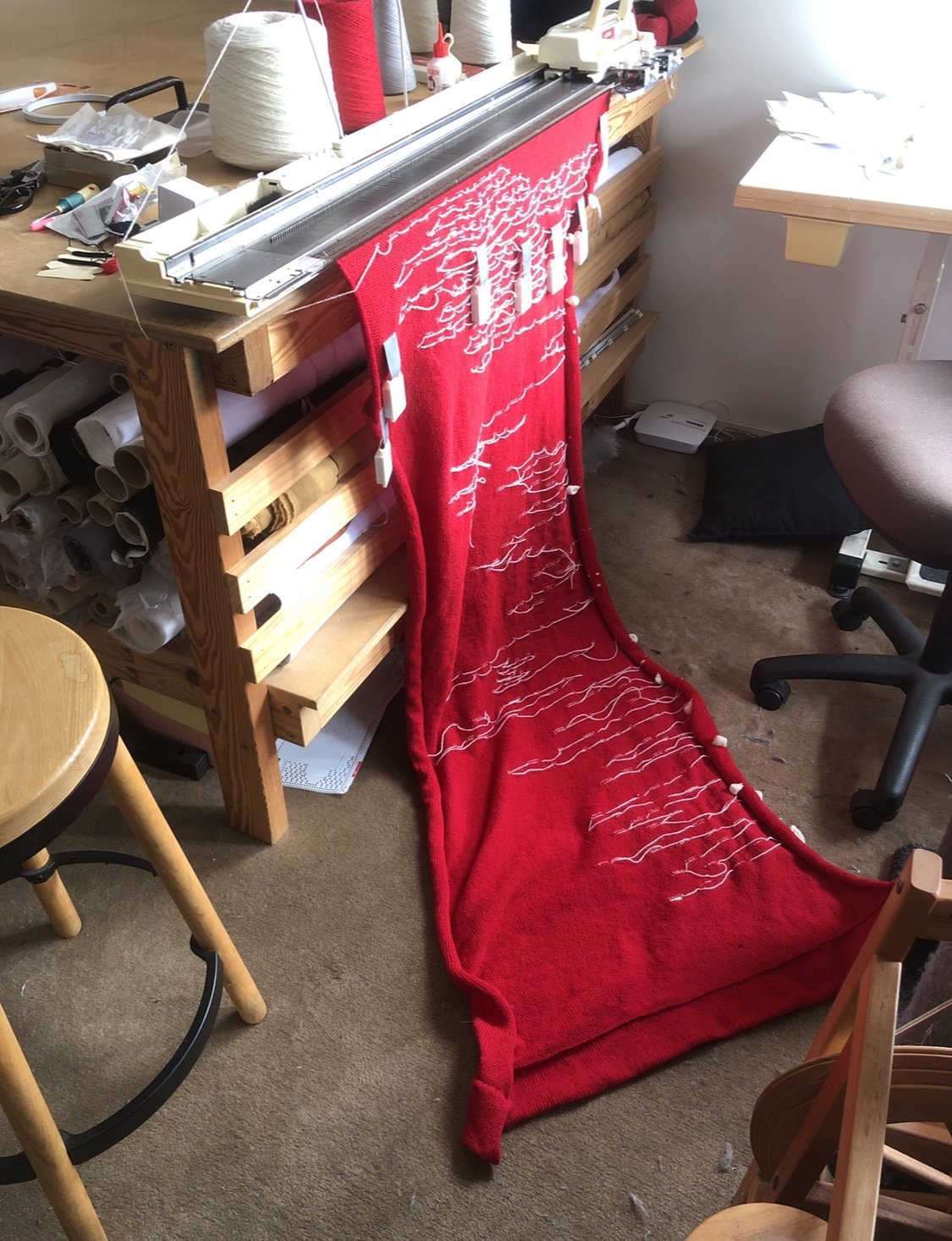
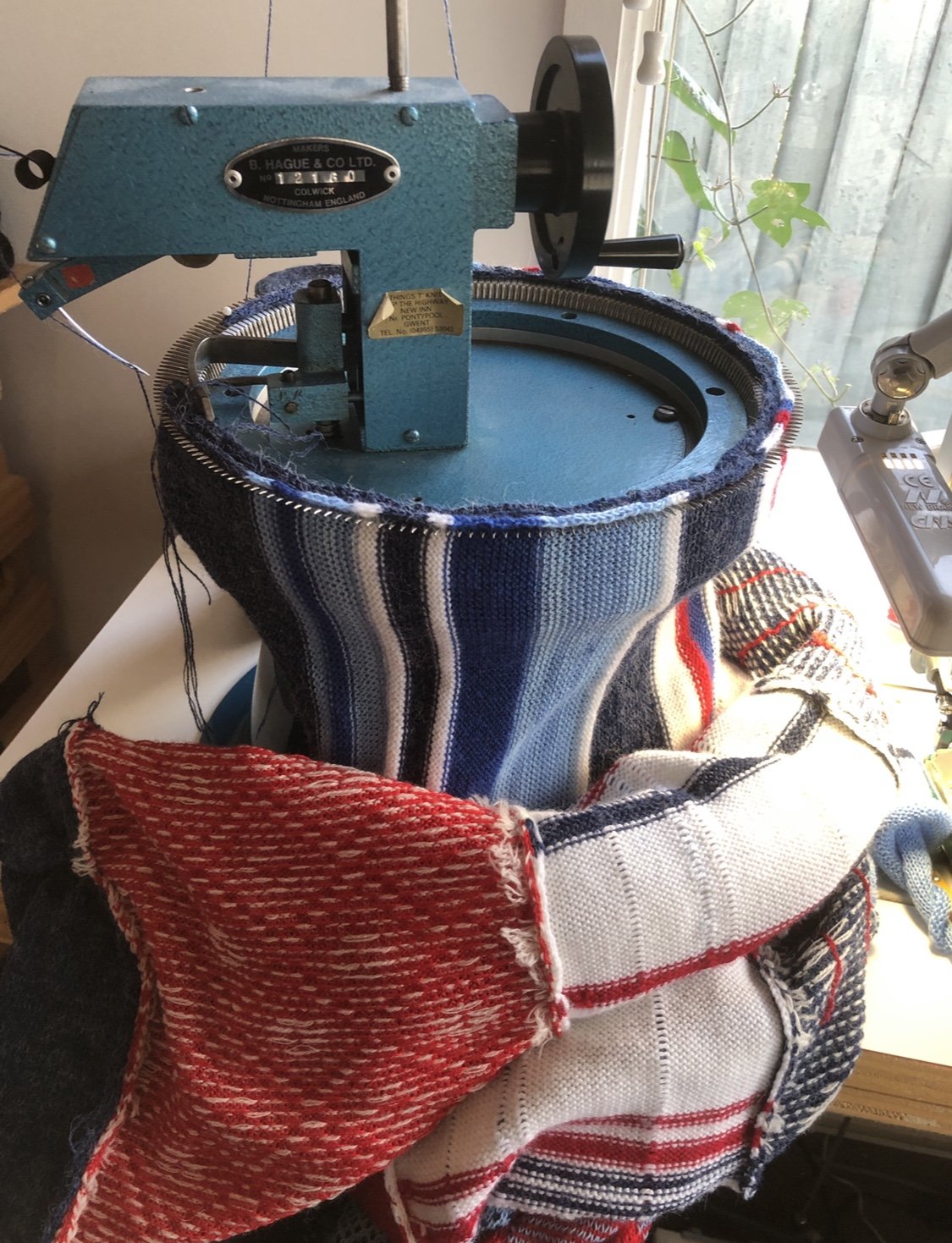
Making Space developed through an extended period of textile exploration and making. Working primarily with wool, I used machine knitting, crochet, felting, weaving and hand stitching to investigate the expressive possibilities of textile materials and processes.
The studio became a space for experimentation, observation and reflection. Ideas developed through direct engagement with materials, often taking unexpected directions as I worked. Decisions about colour, texture, structure and form emerged through this process, allowing the work to evolve through making rather than from predetermined designs.
For me, the act of making became more than a means of producing the collection. It provided a way of thinking, responding and making meaning through materials.
MAKING AS AN EMBODIED PRACTICE
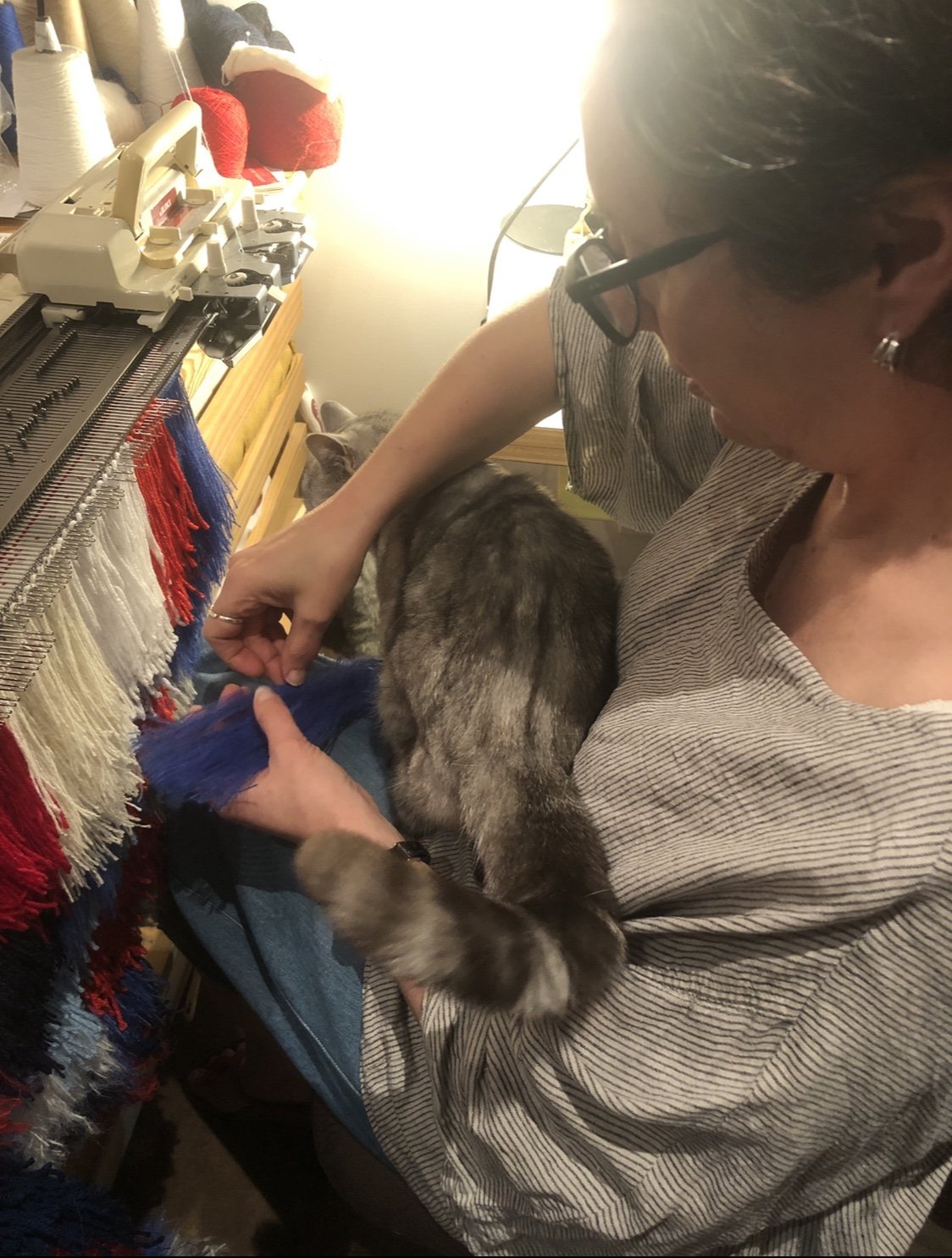
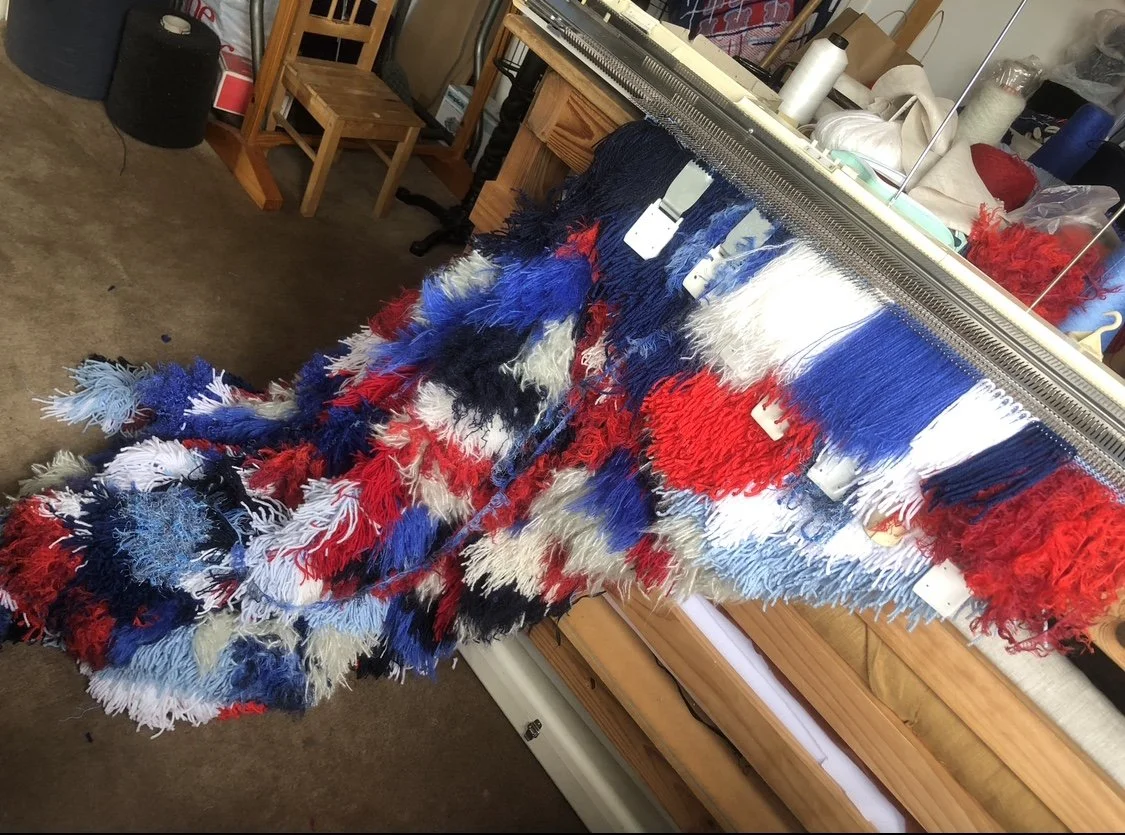
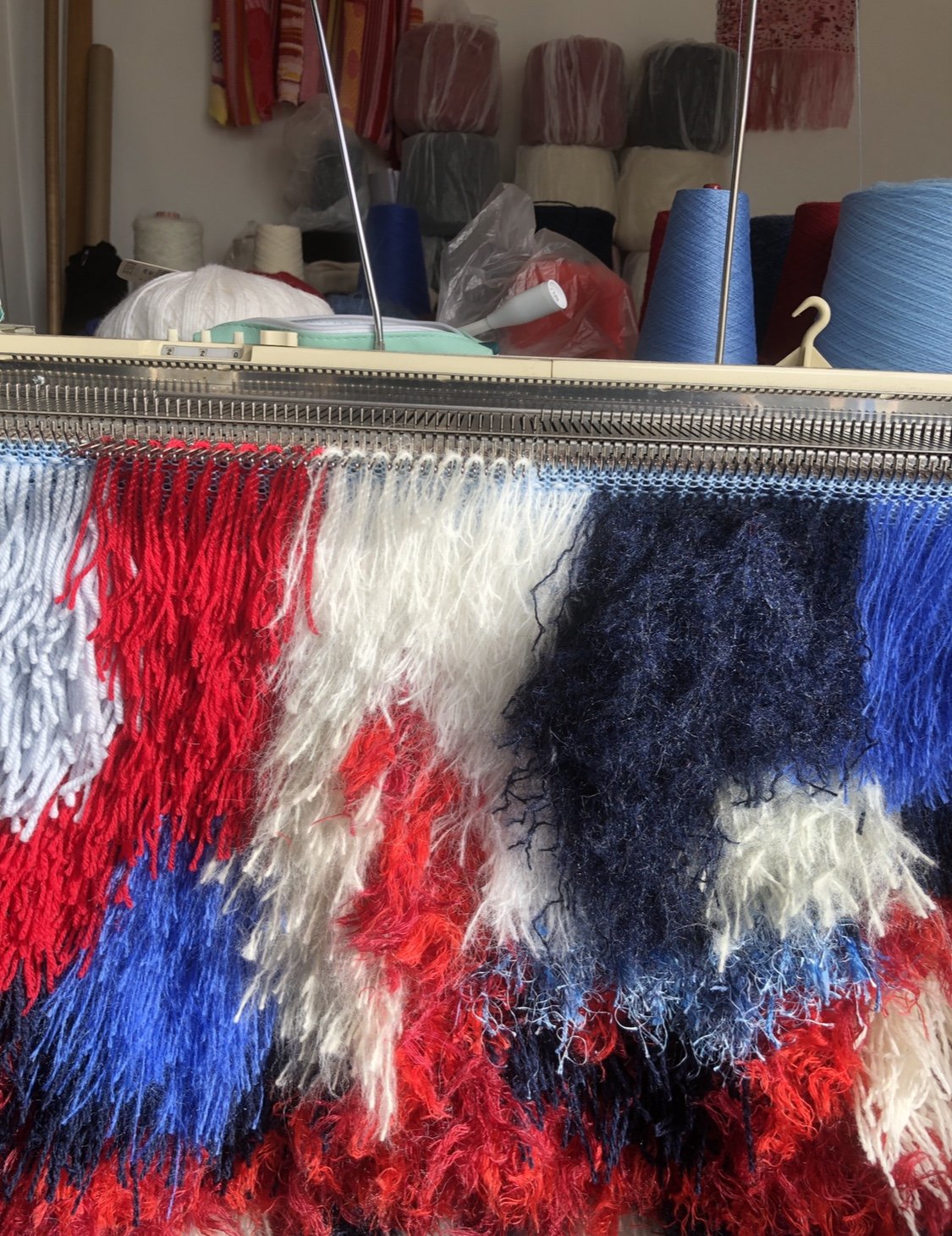
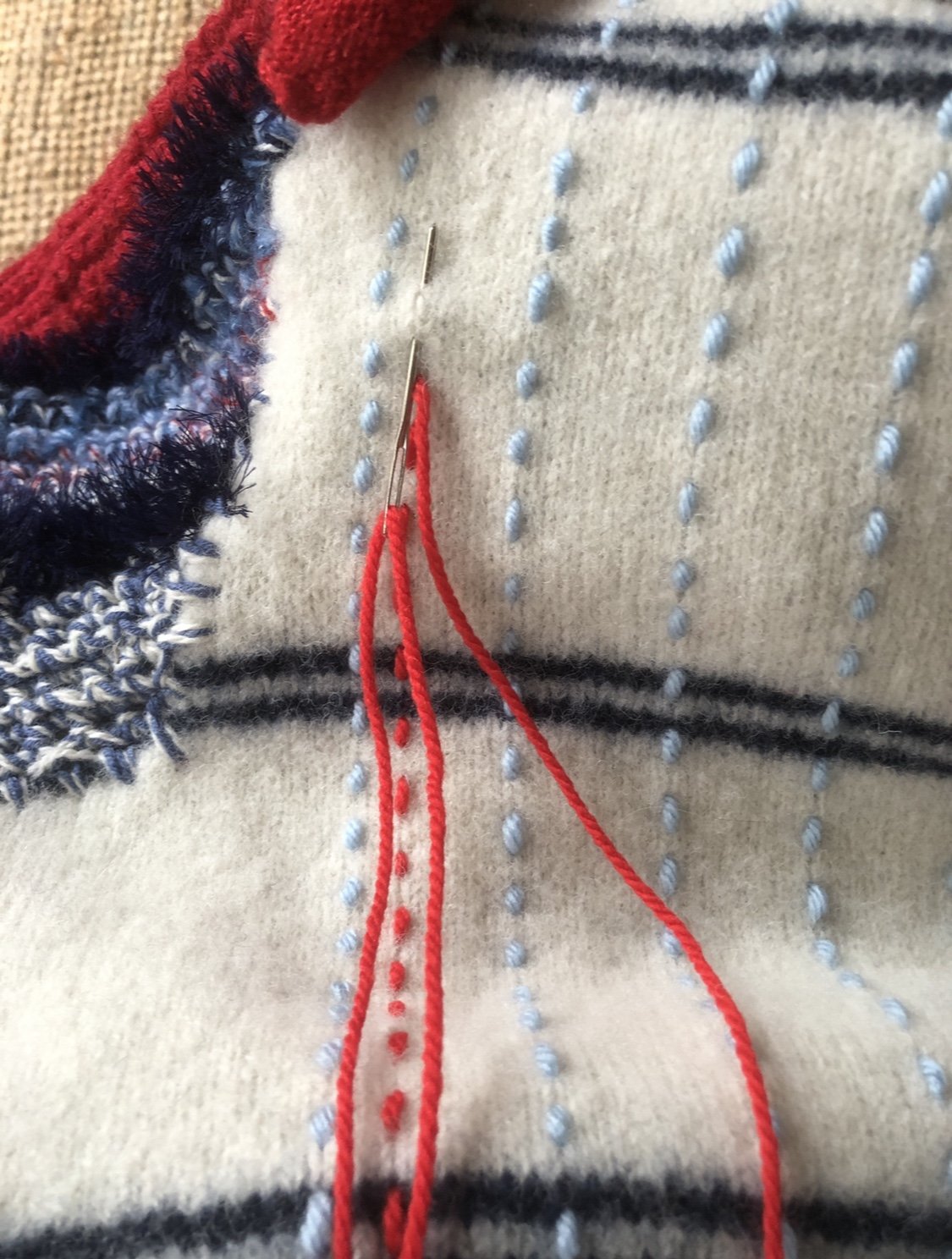
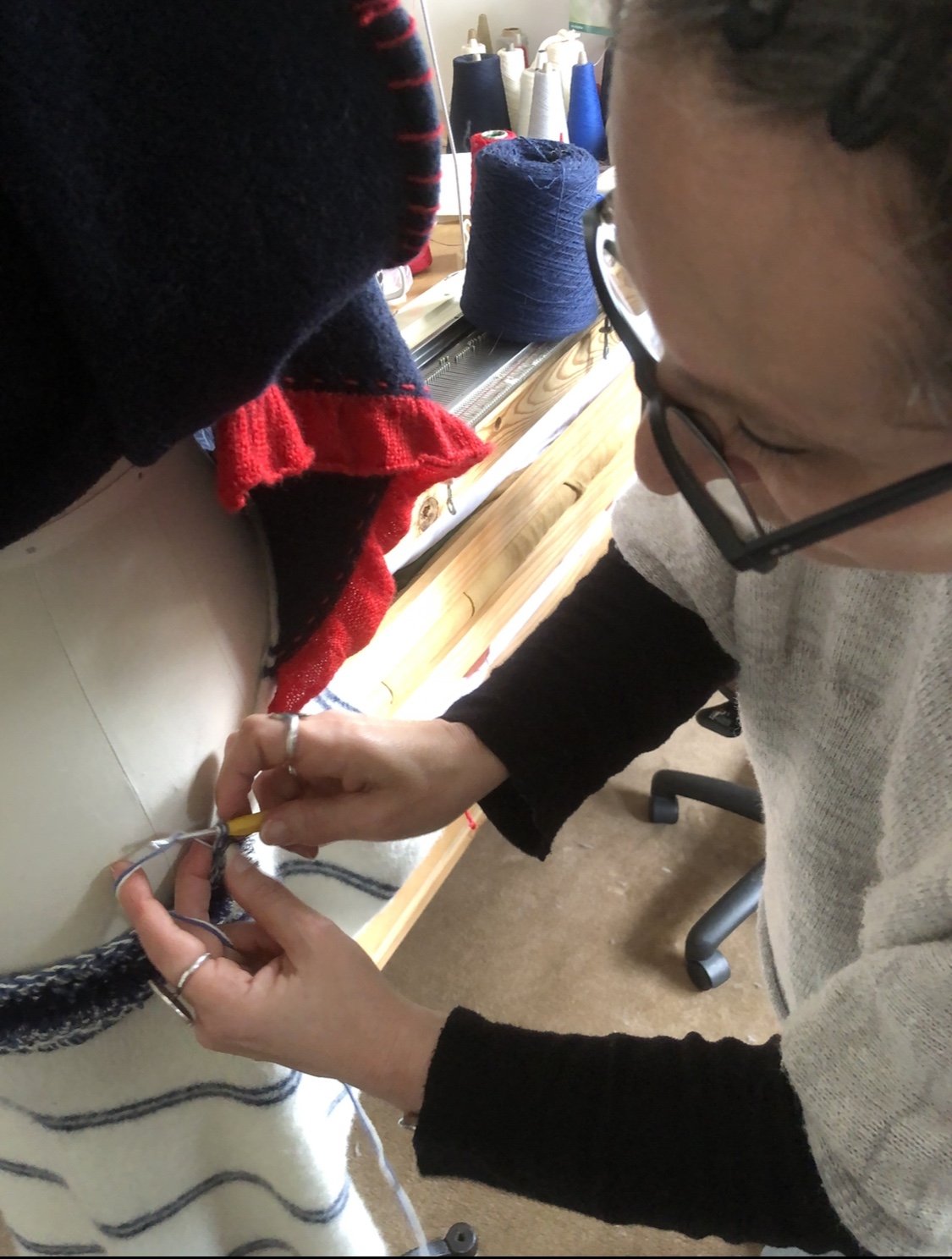
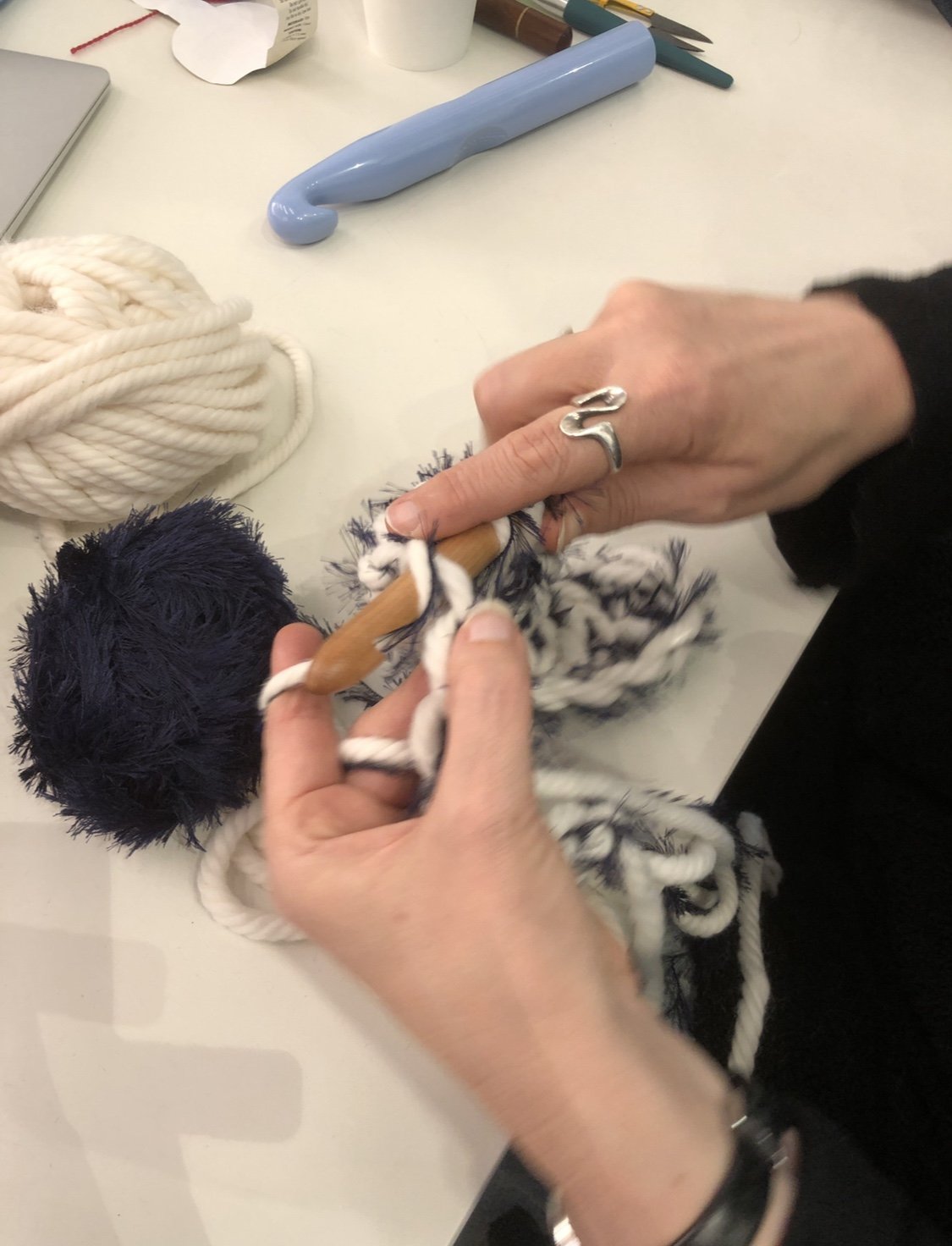
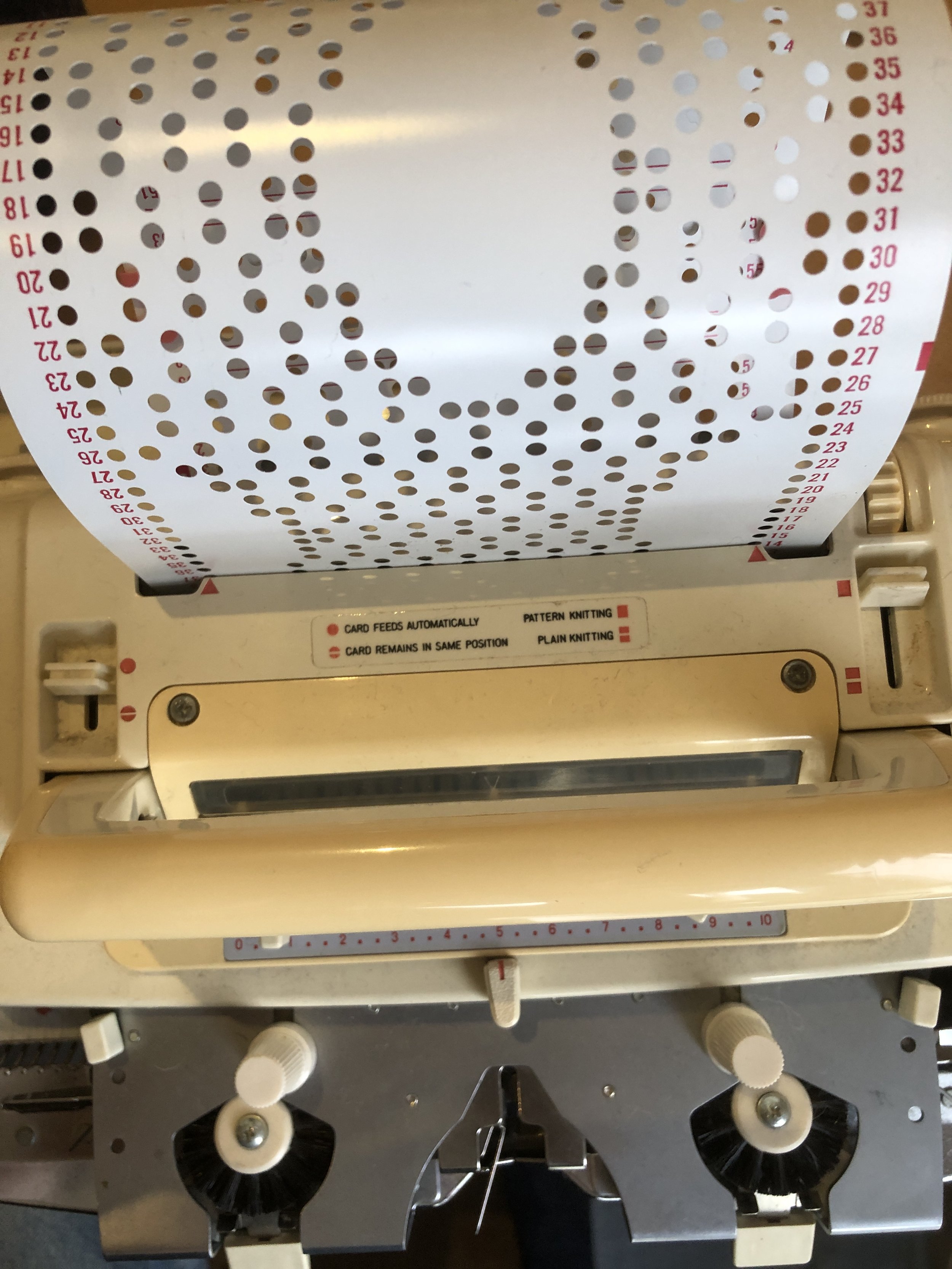
The physical act of making was central to the development of this collection. Working with wool through machine knitting, crochet, felting and hand stitching required sustained attention to materials, movement and process.
As each textile developed, I responded to what was happening in the material, making decisions, adjusting techniques and allowing unexpected outcomes to inform the direction of the work. The process was not always linear or predetermined; understanding often emerged through doing.
Through this engagement, making became a way of thinking and responding beyond words. It offered opportunities to focus attention, exercise choice and develop meaning through the material itself.
EXPERIMENTATION AND DISCOVERY
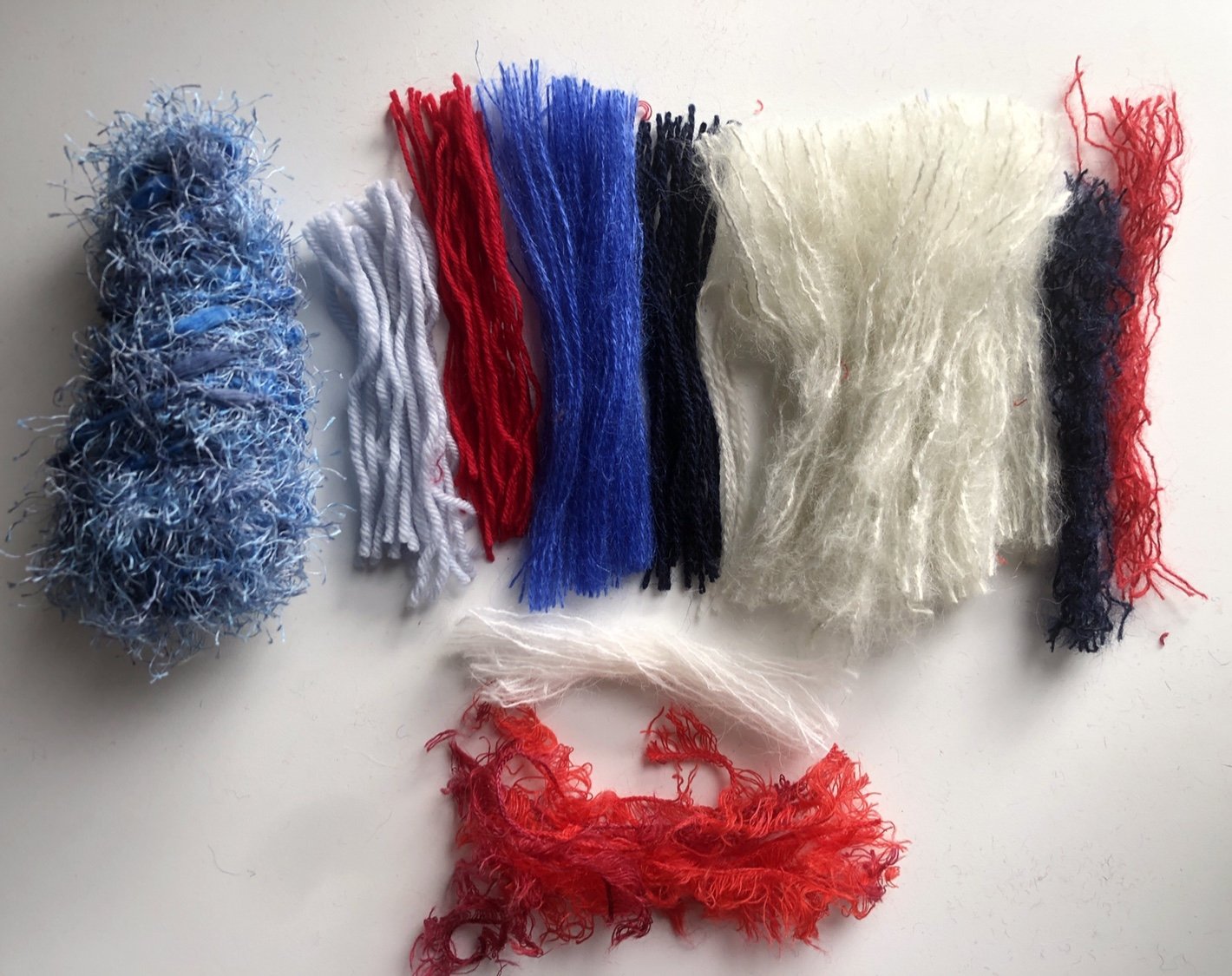
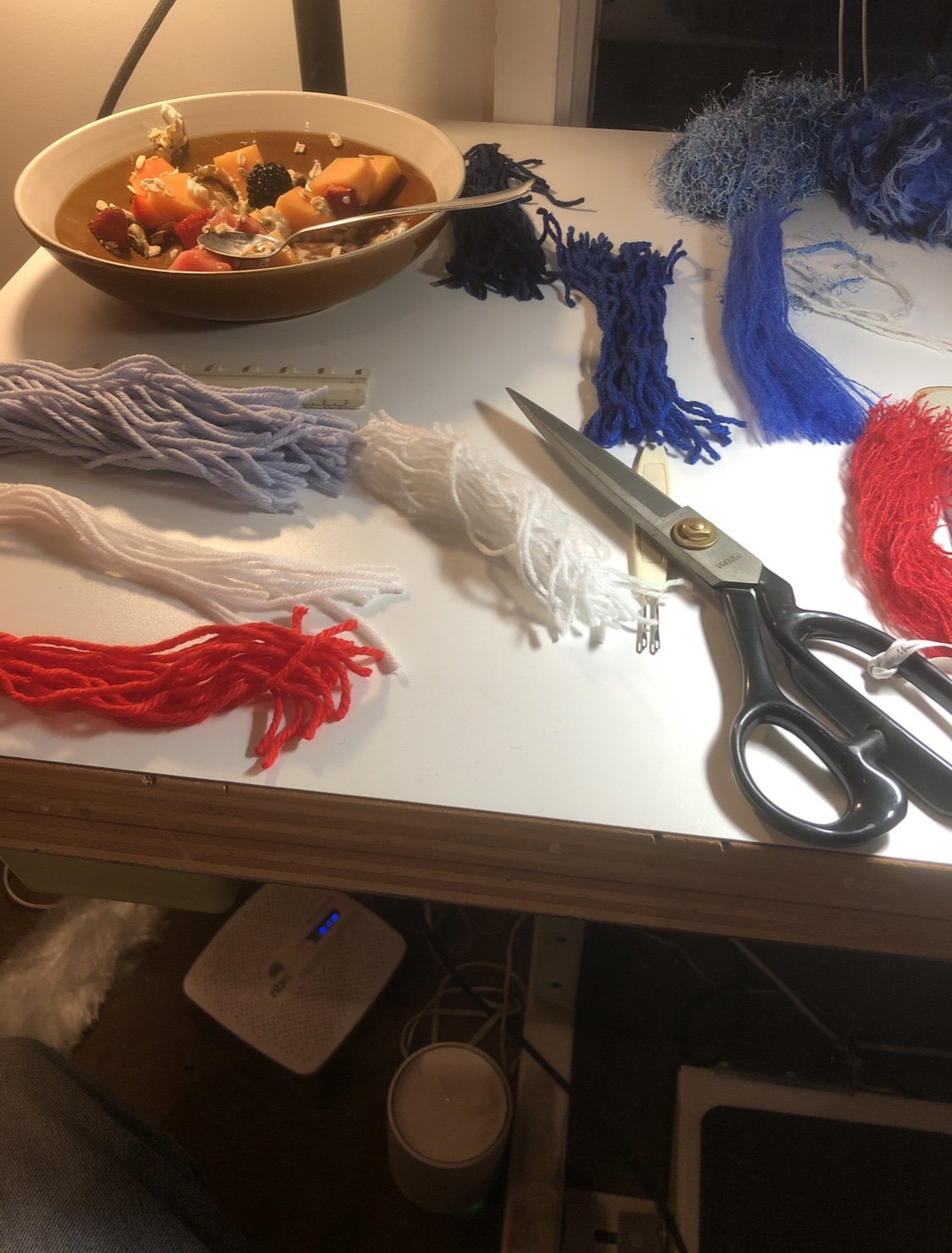
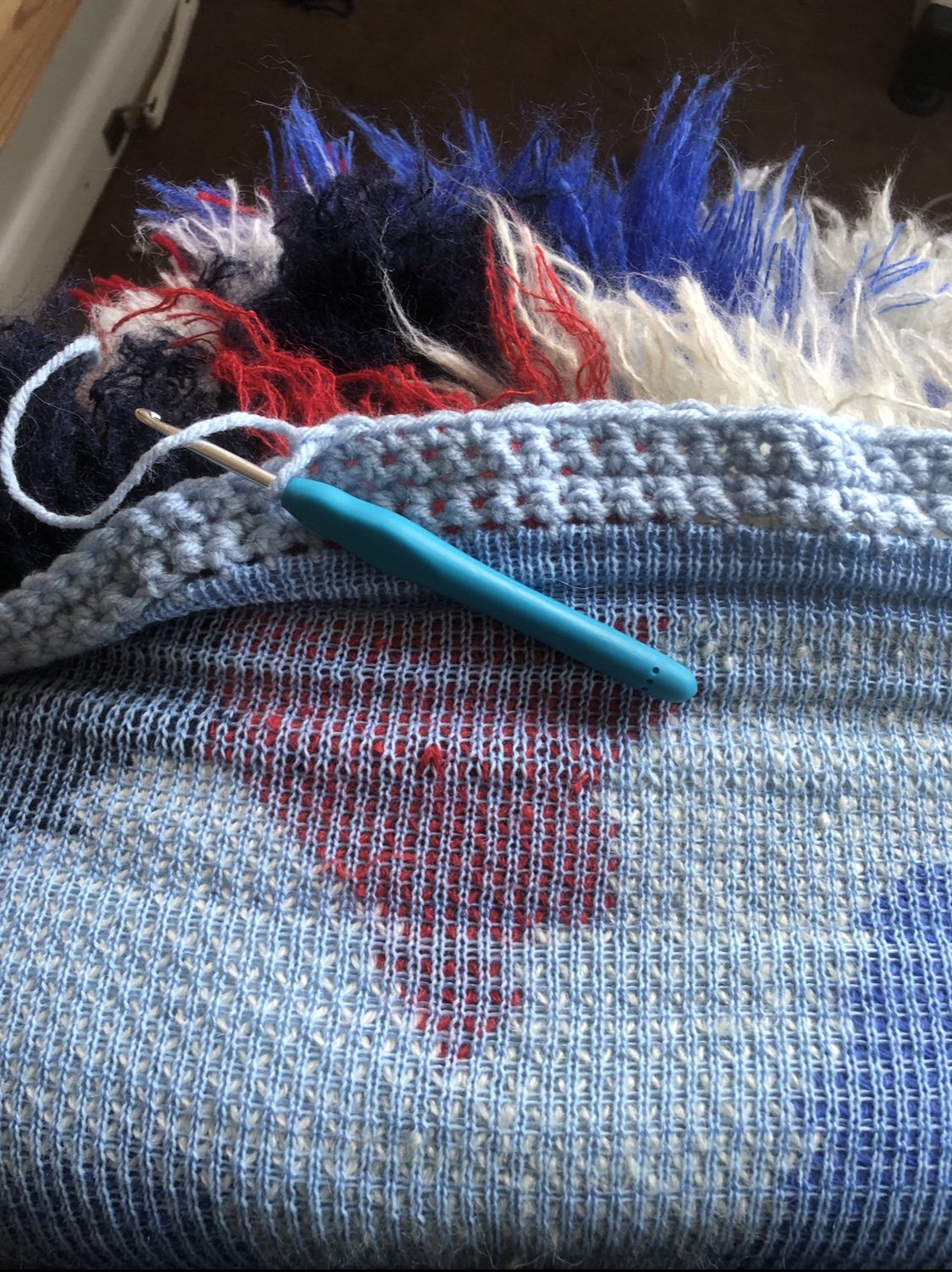
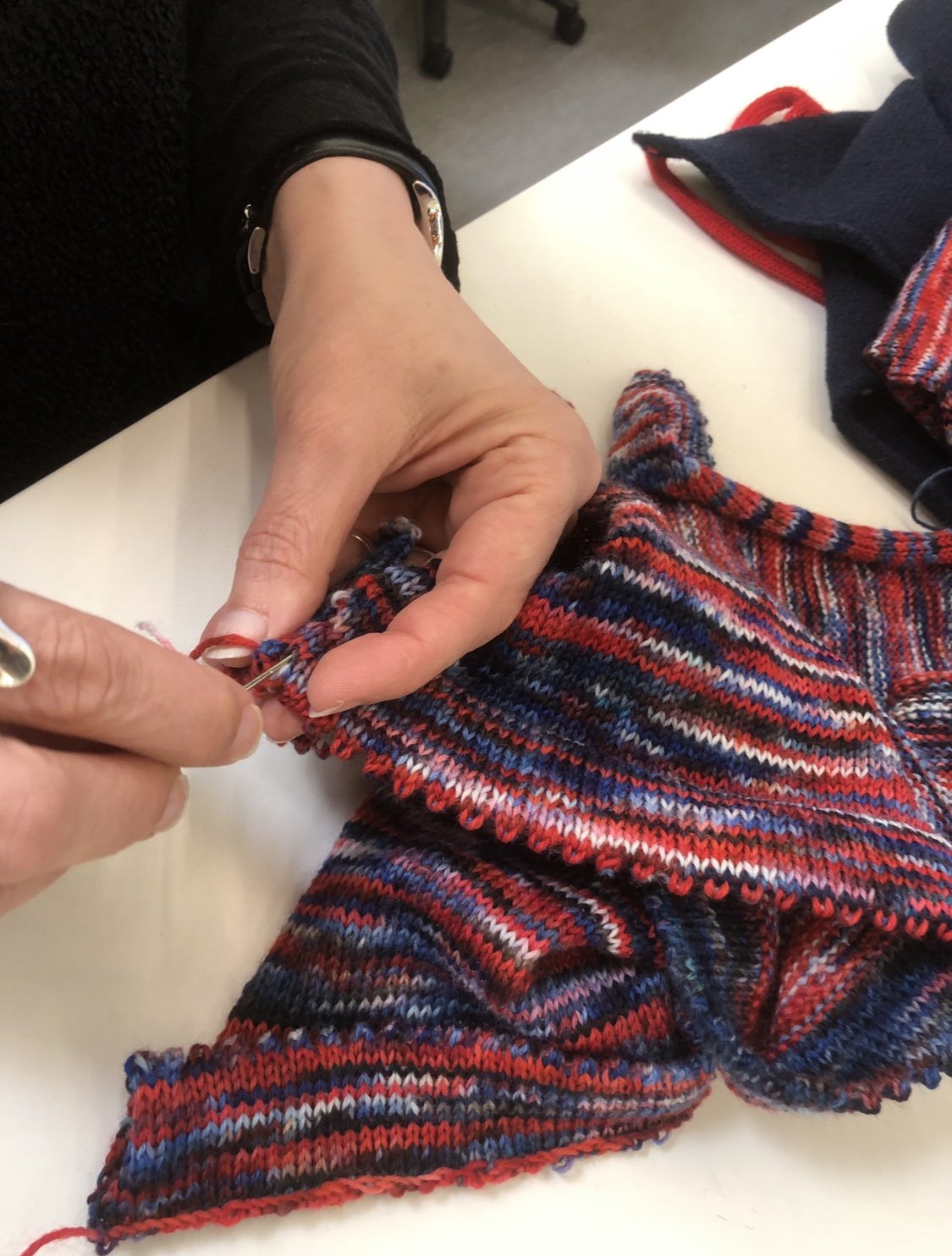
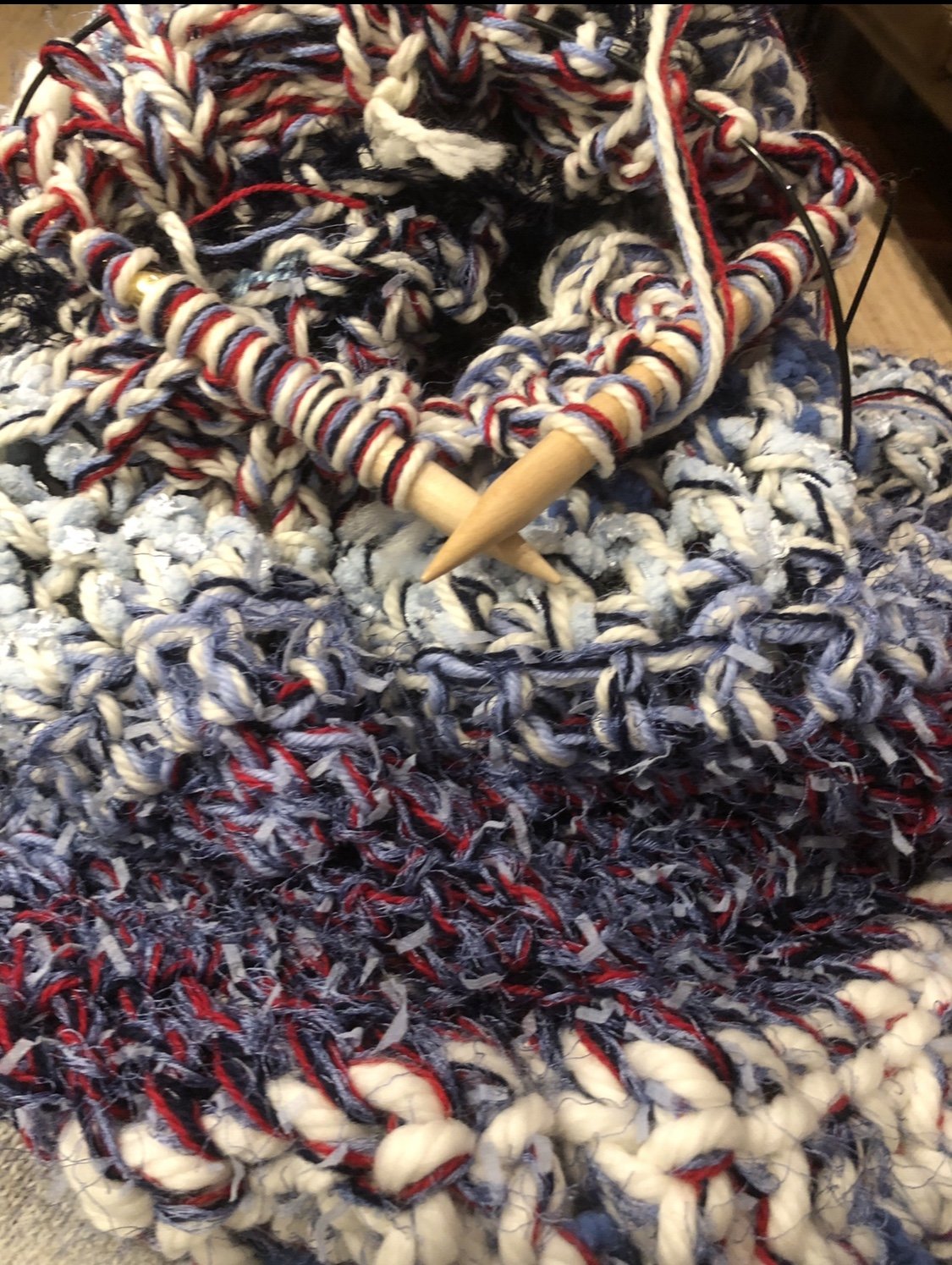
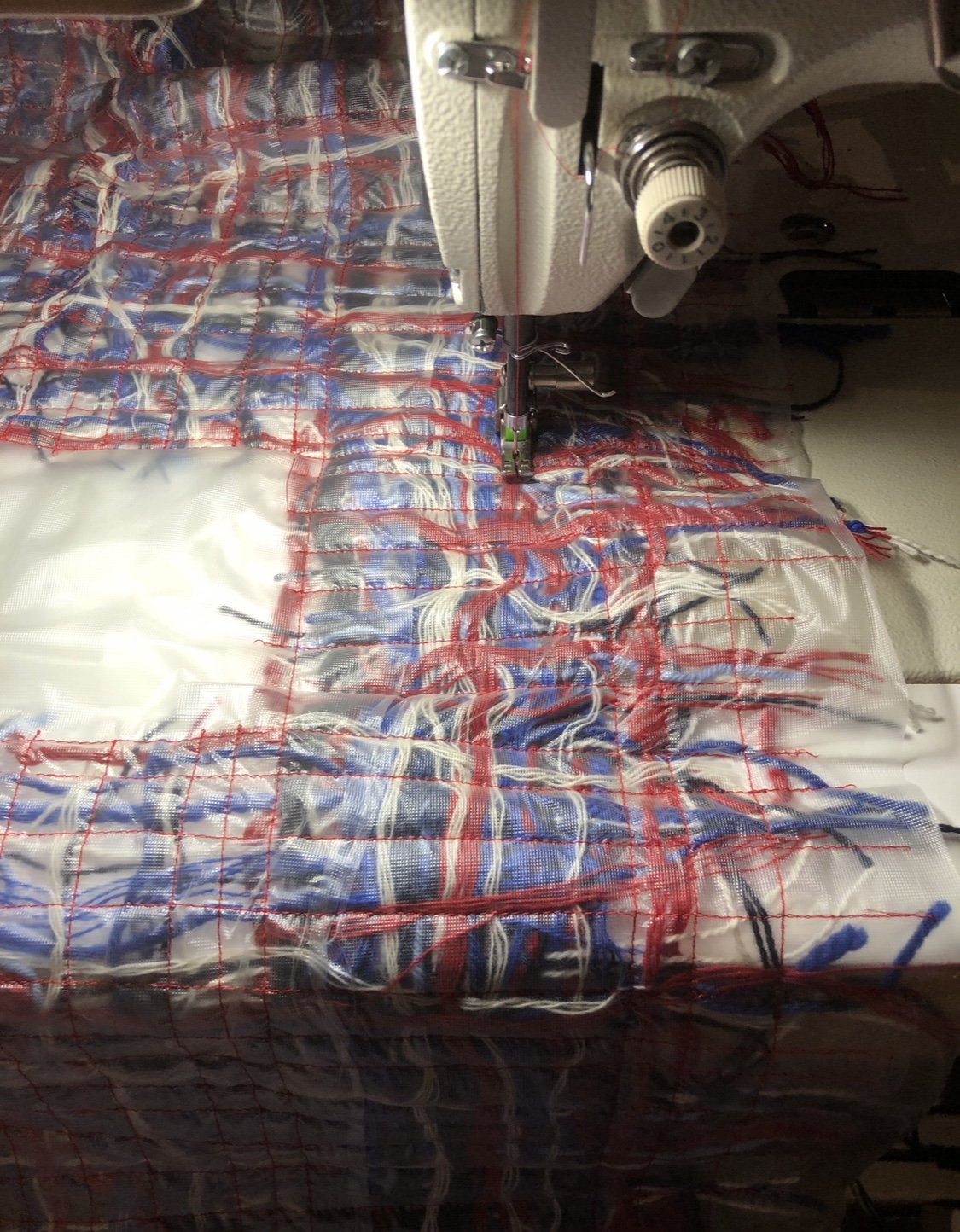
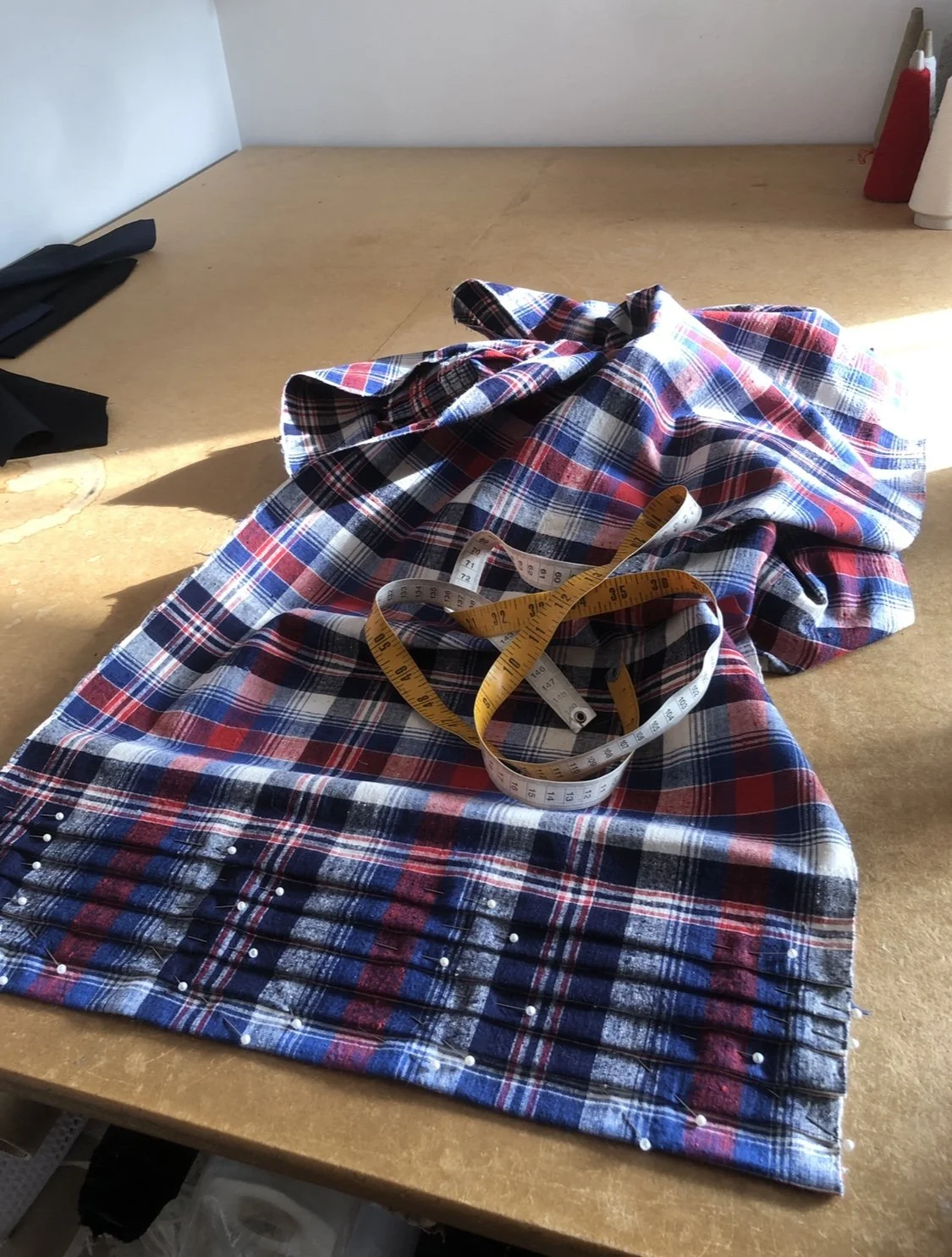
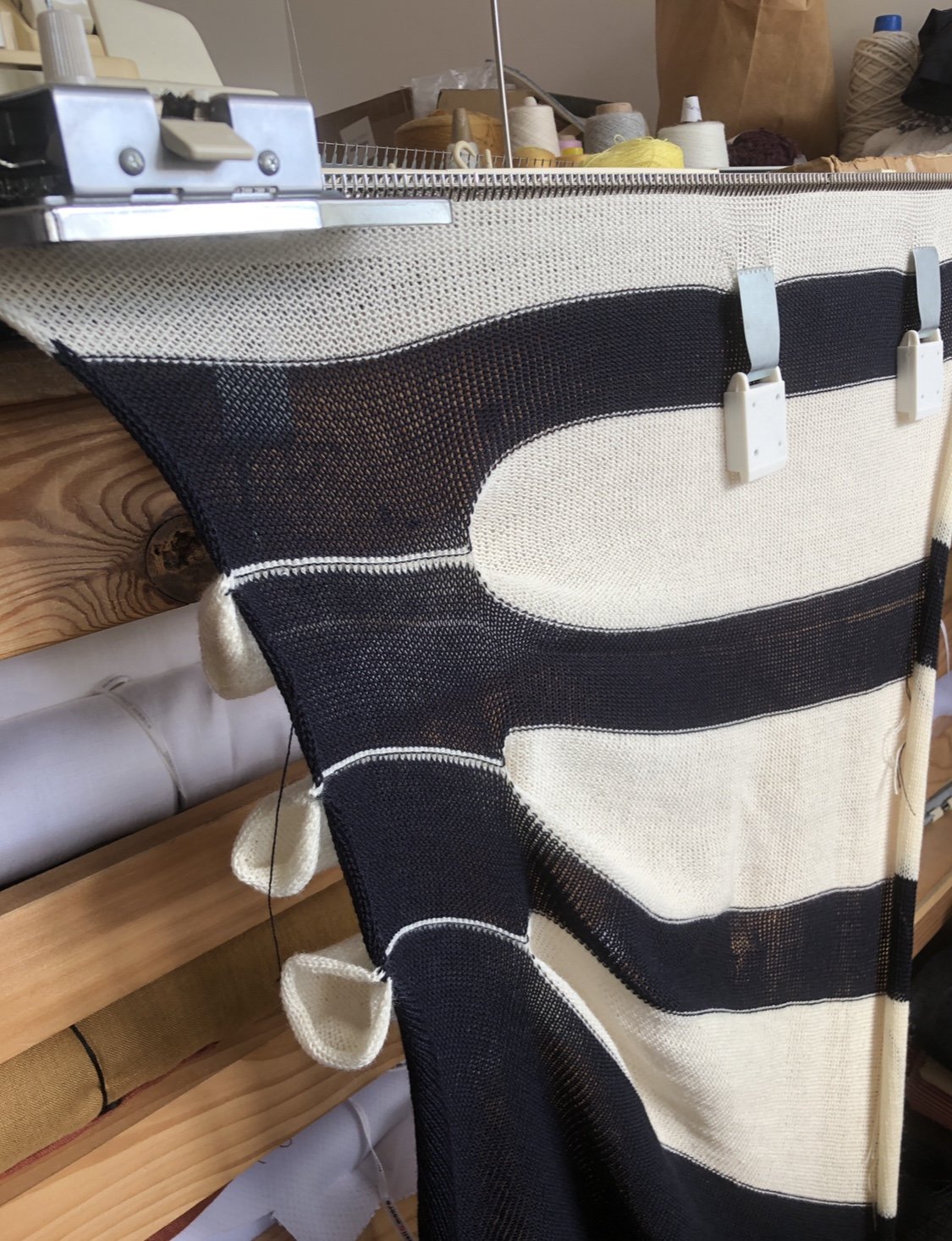
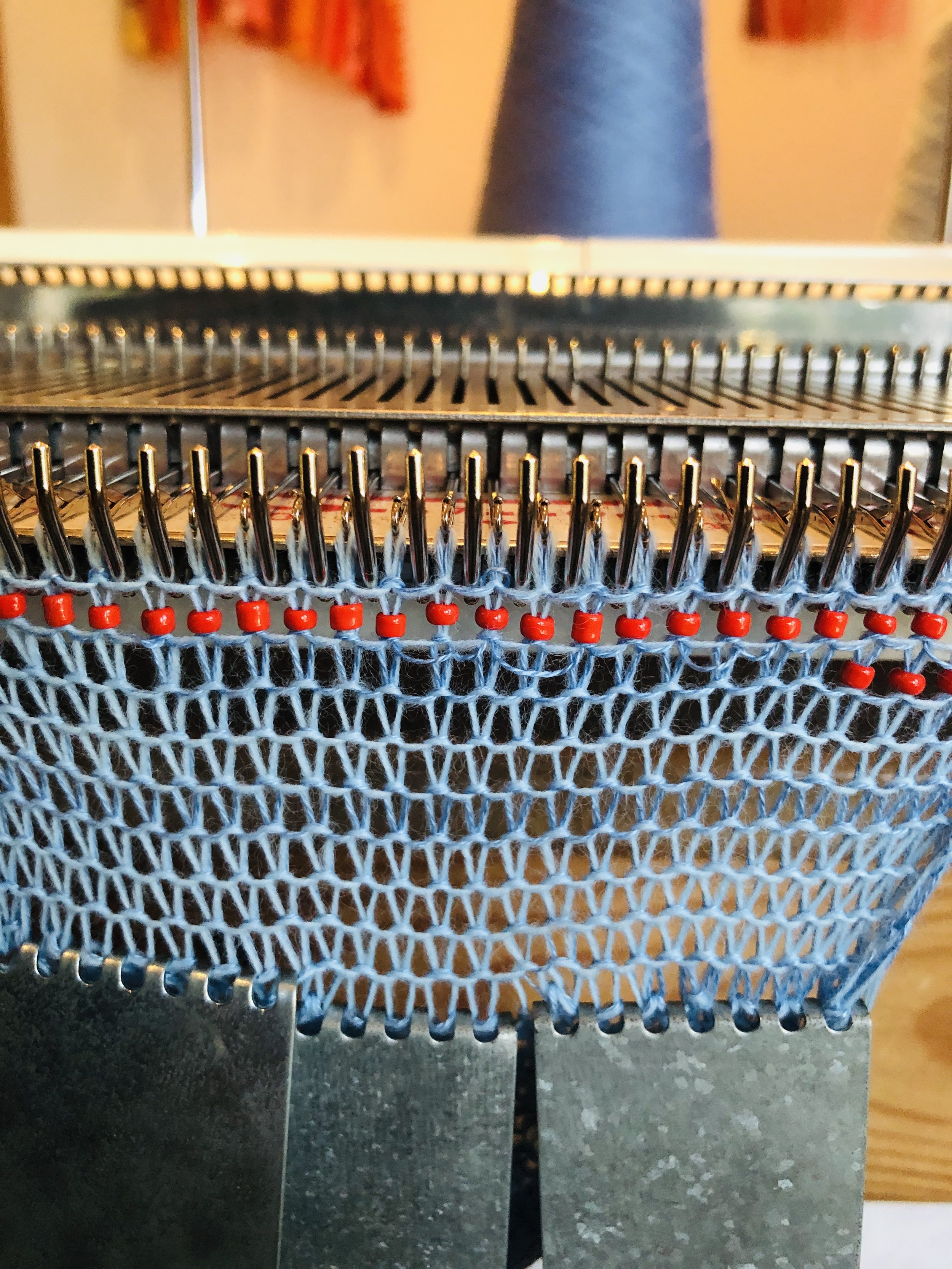
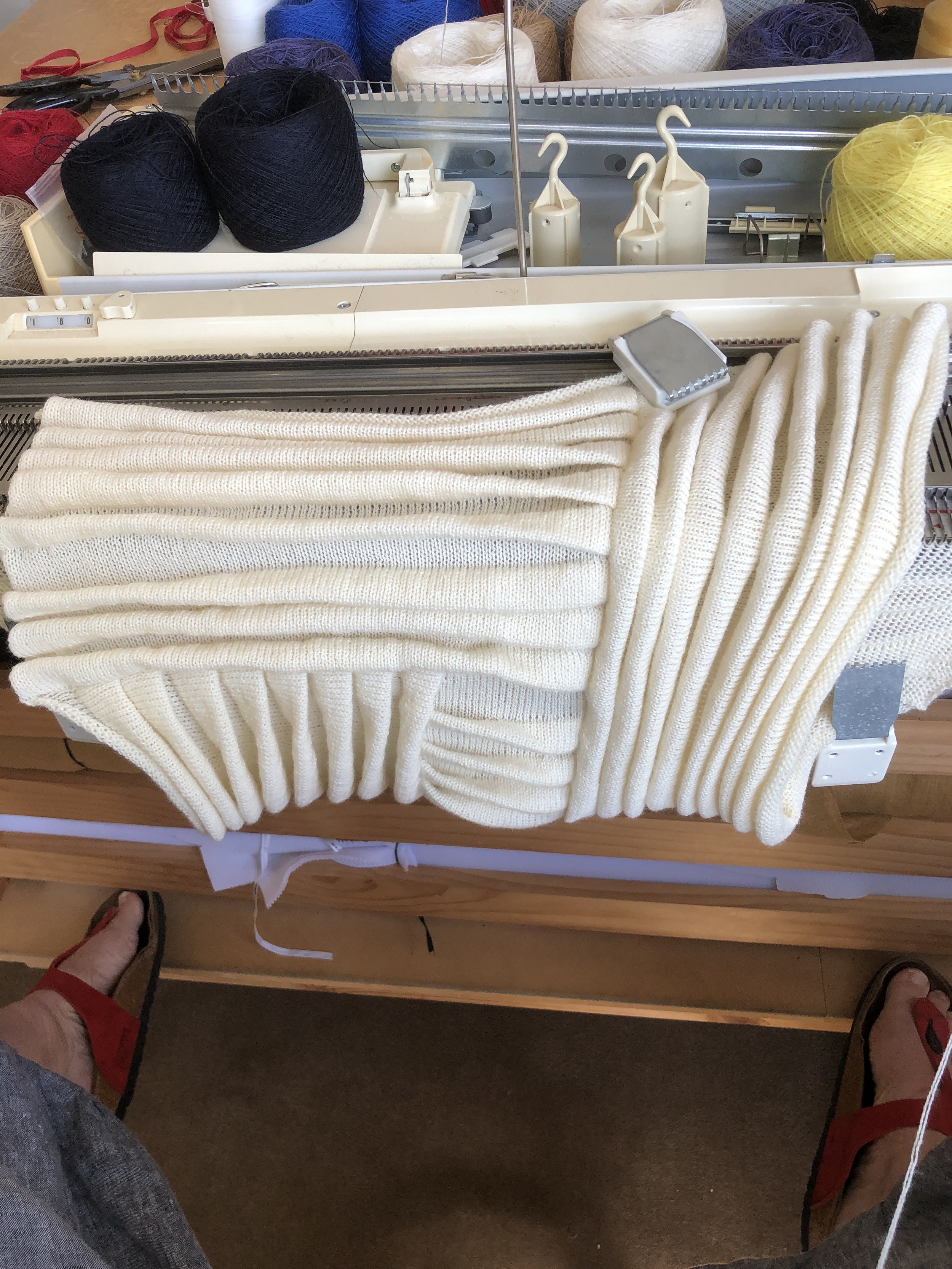
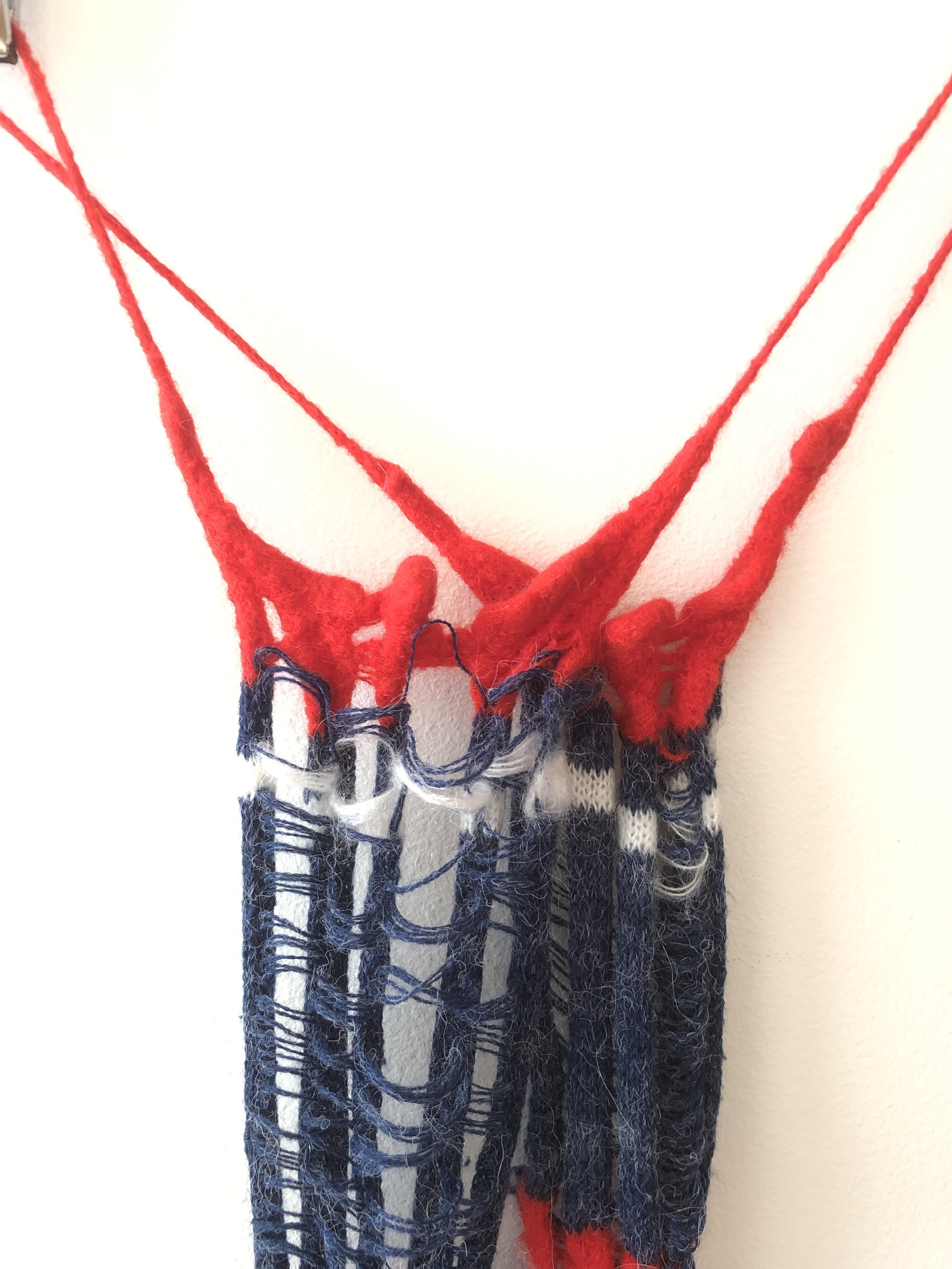
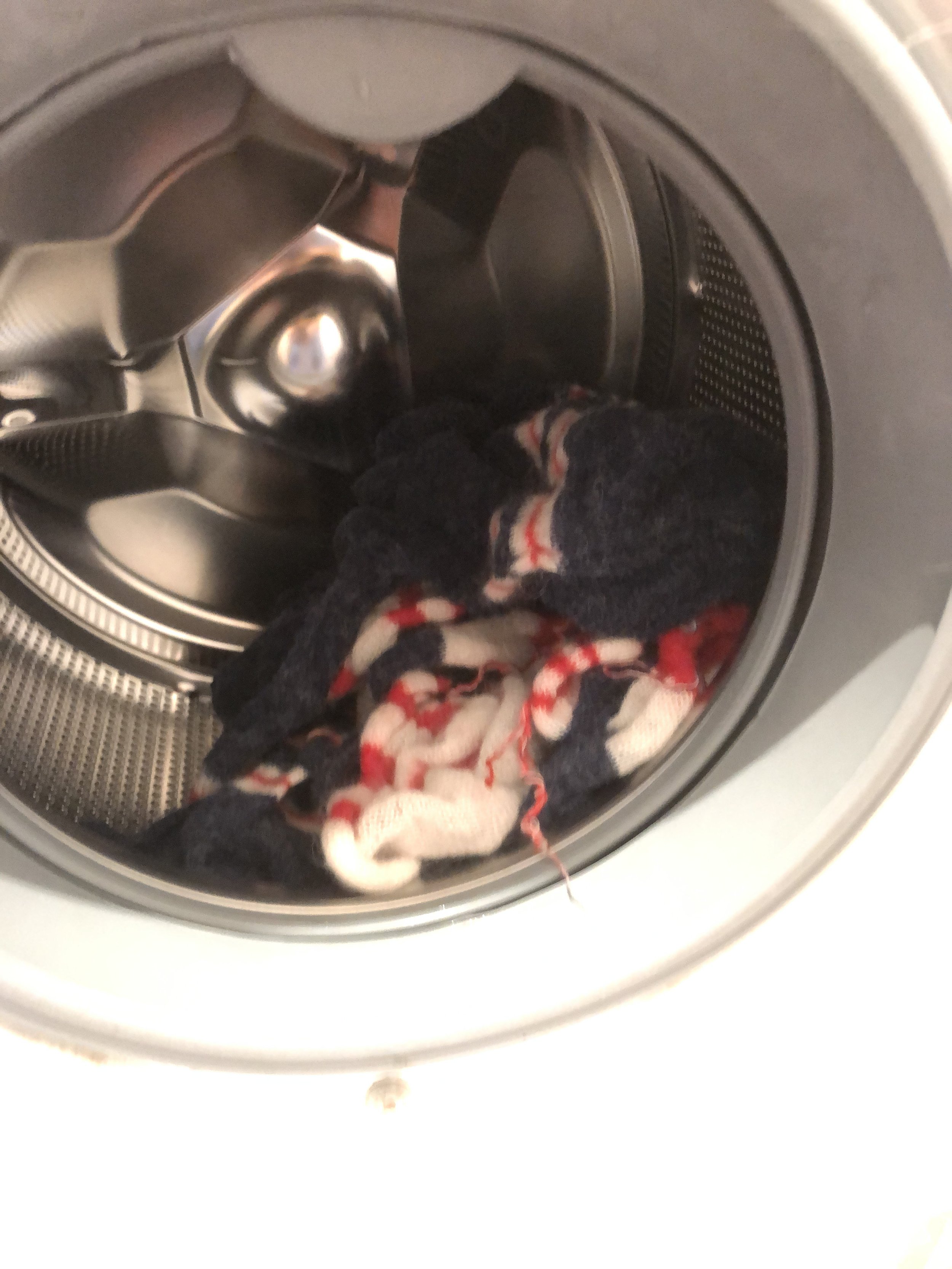
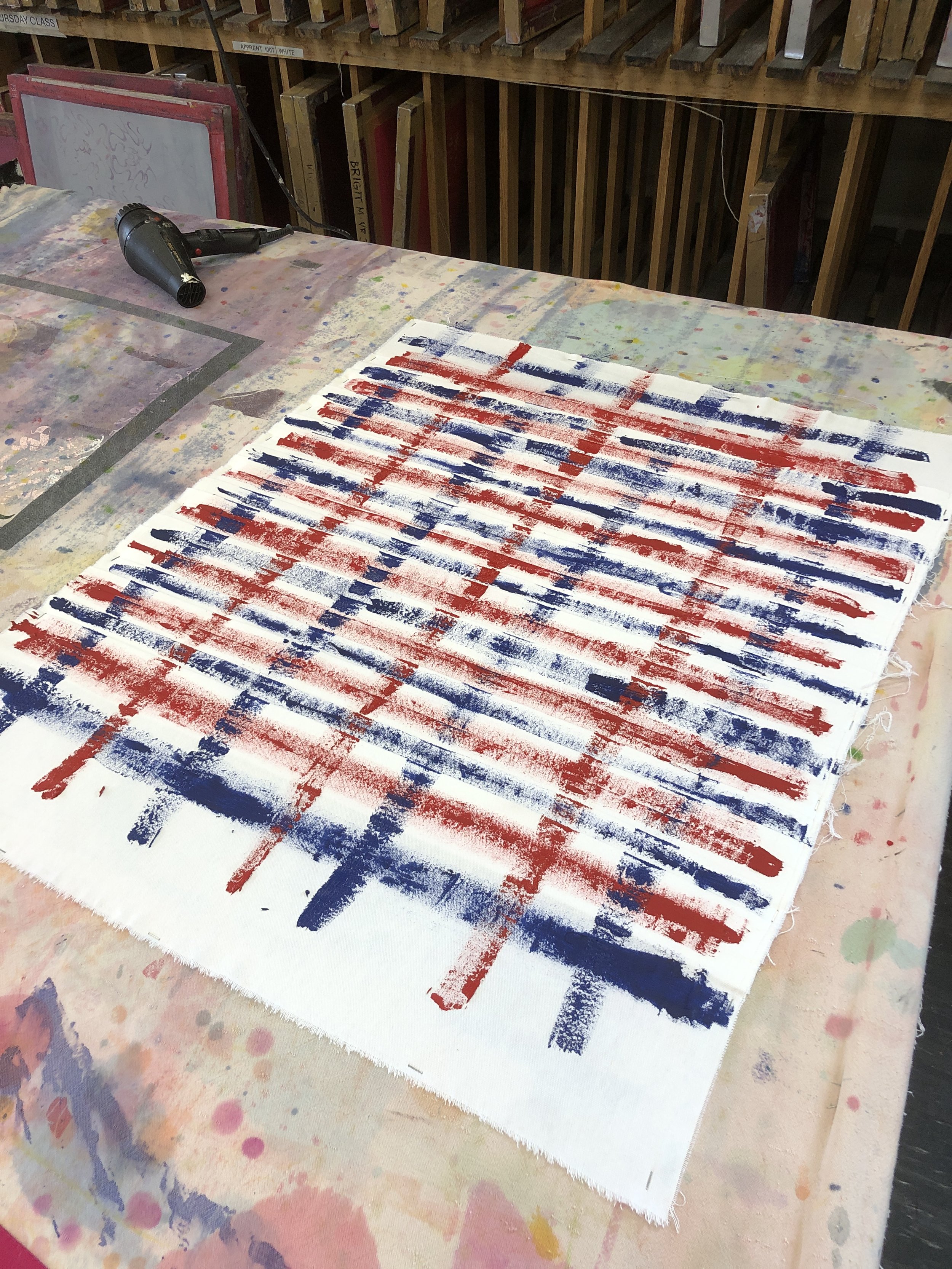
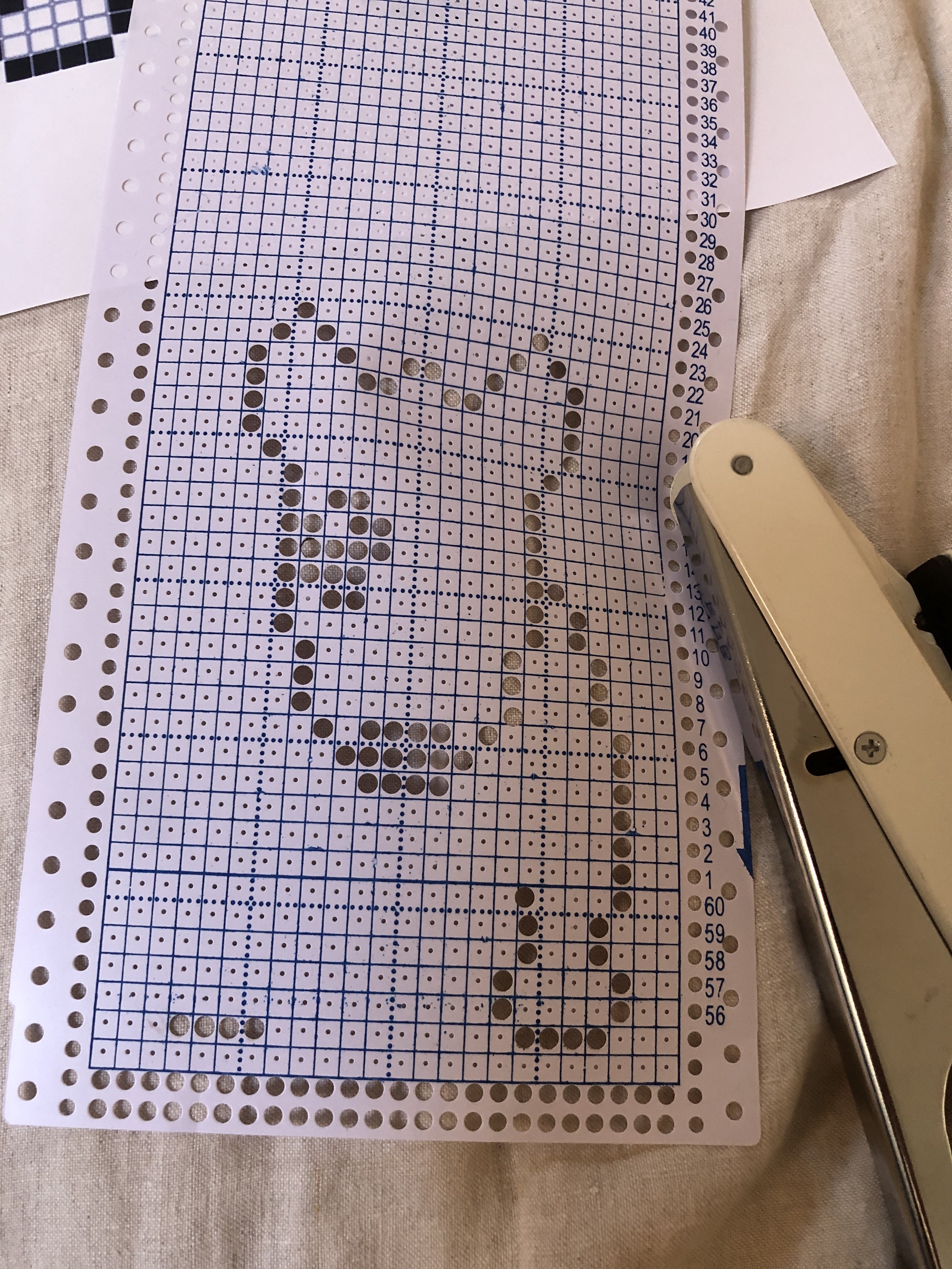
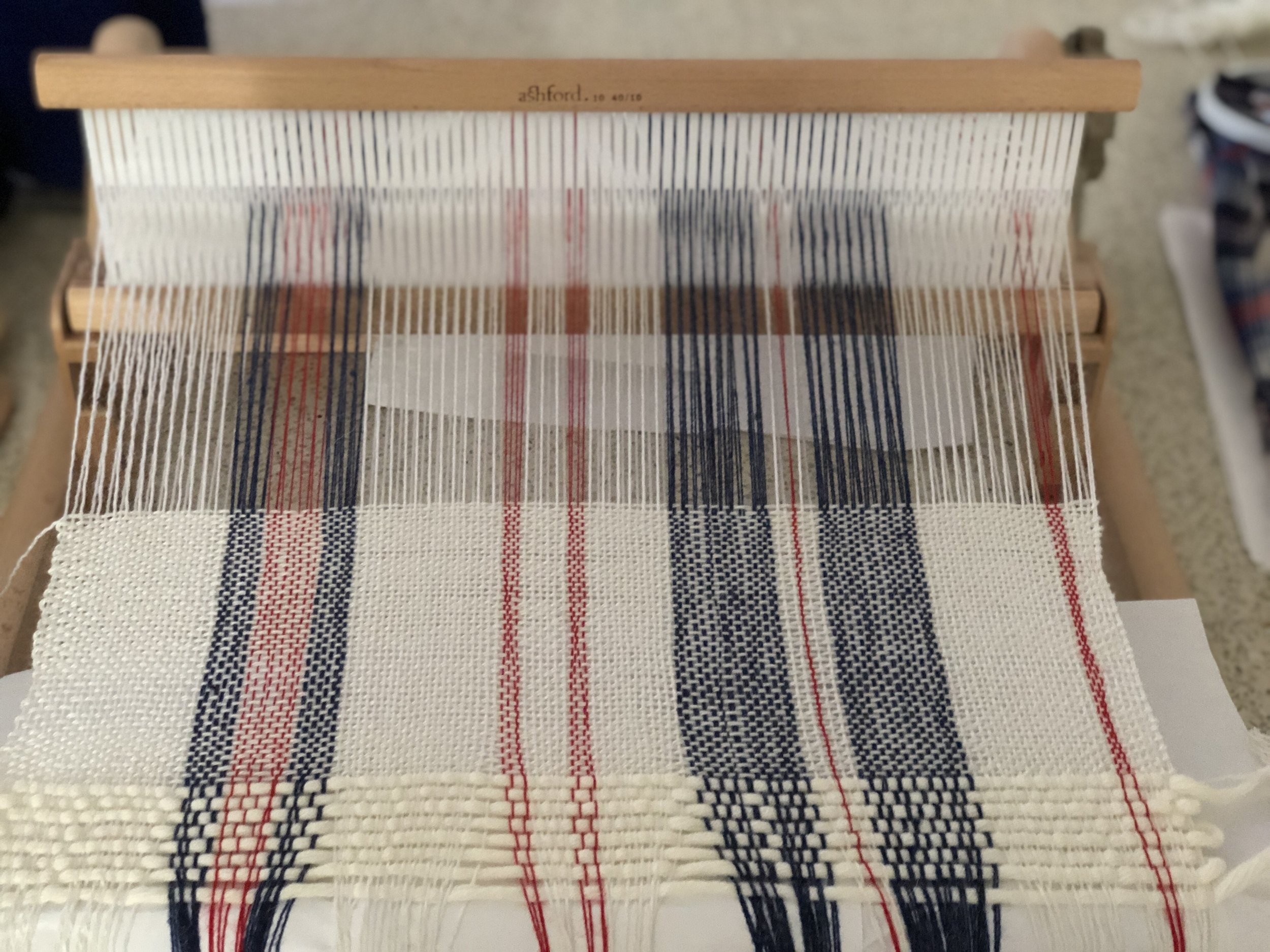
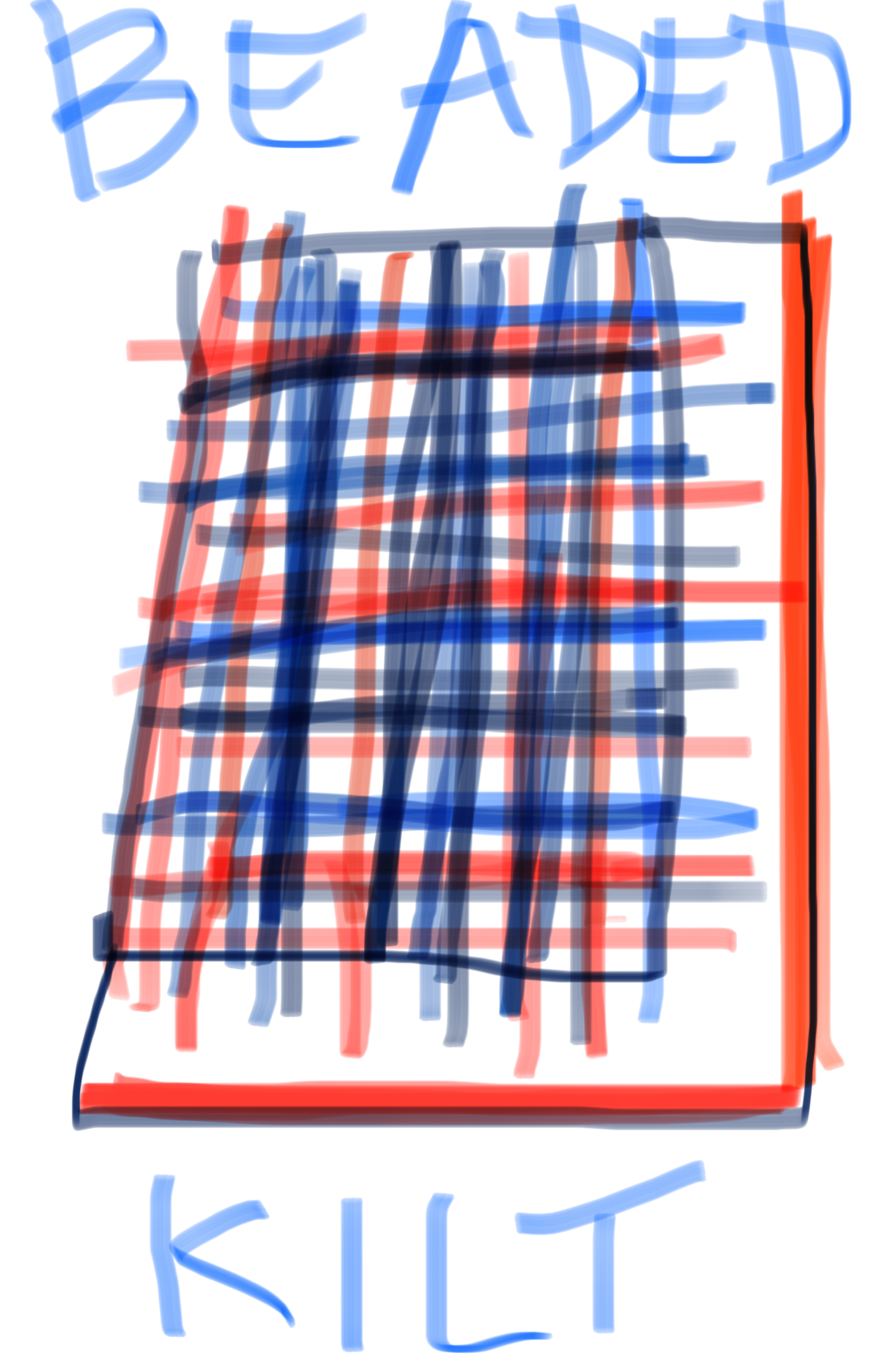
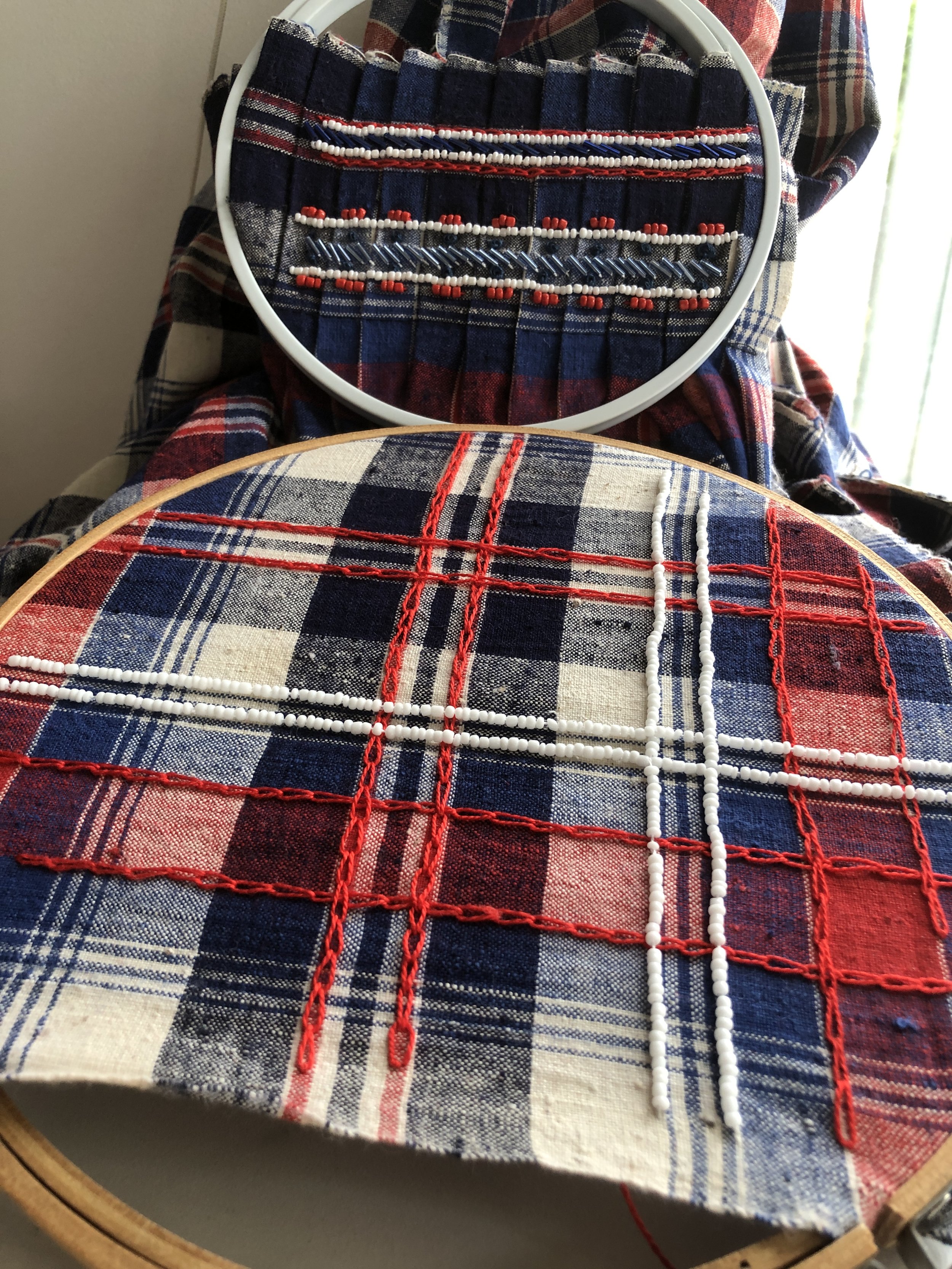
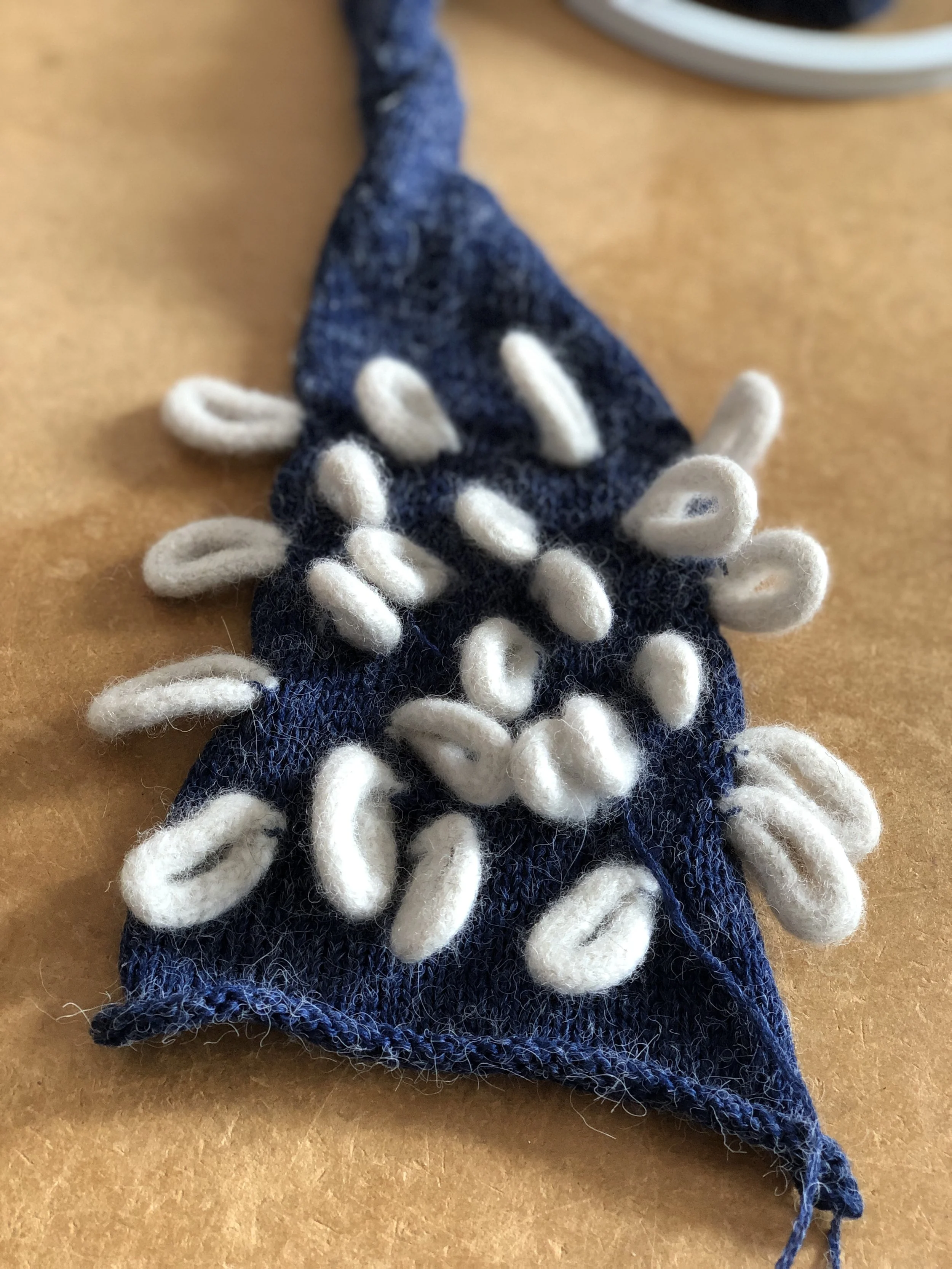
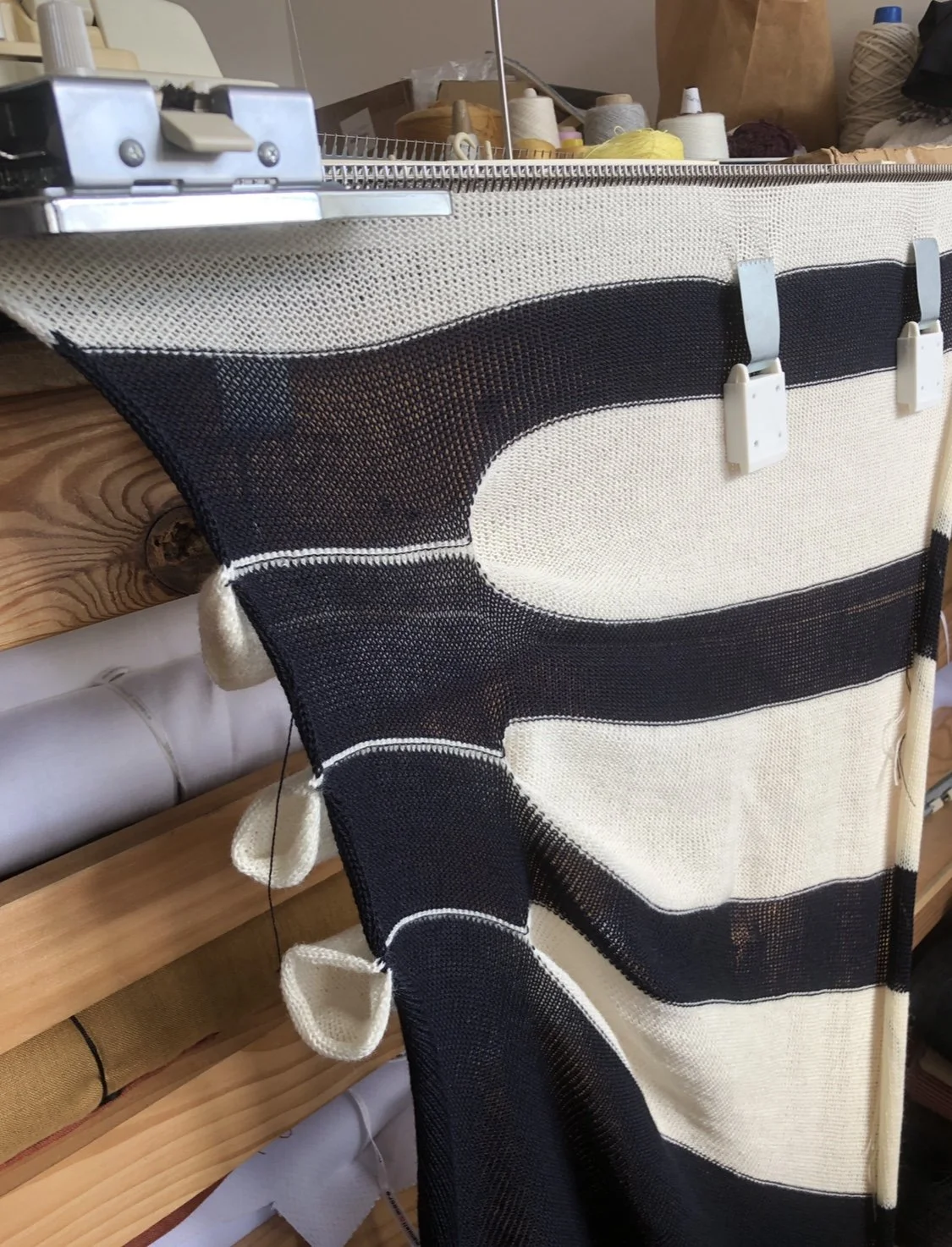
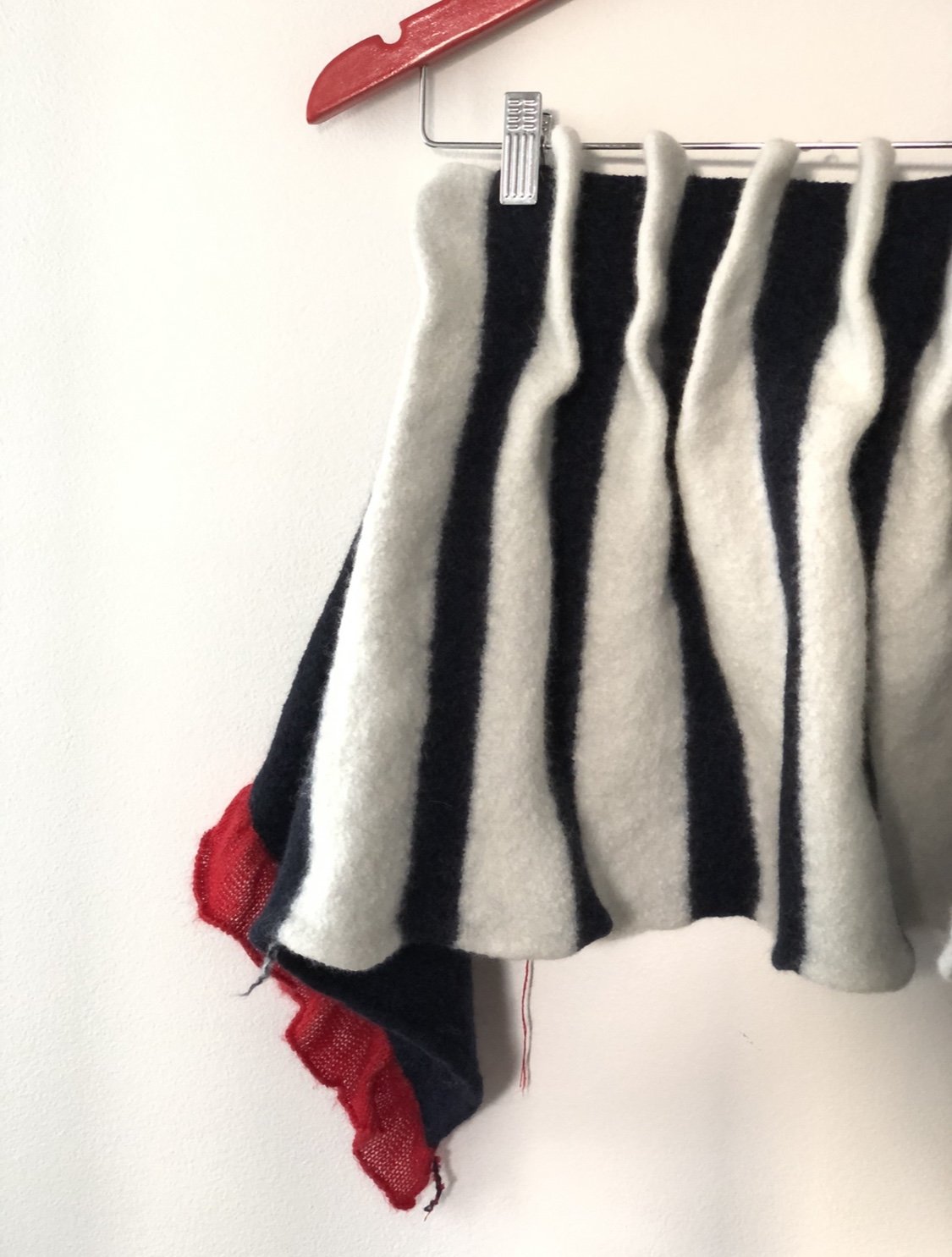
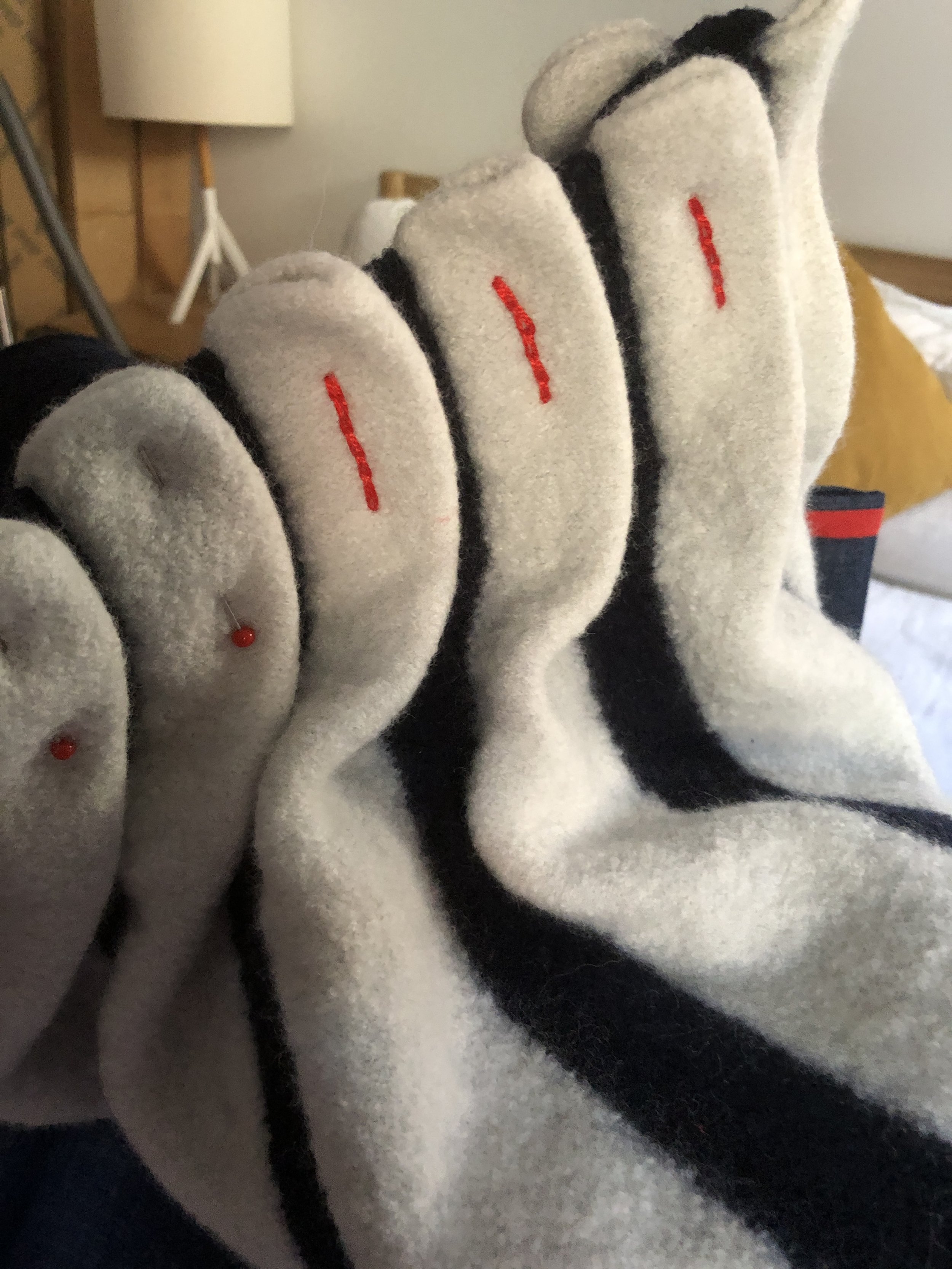
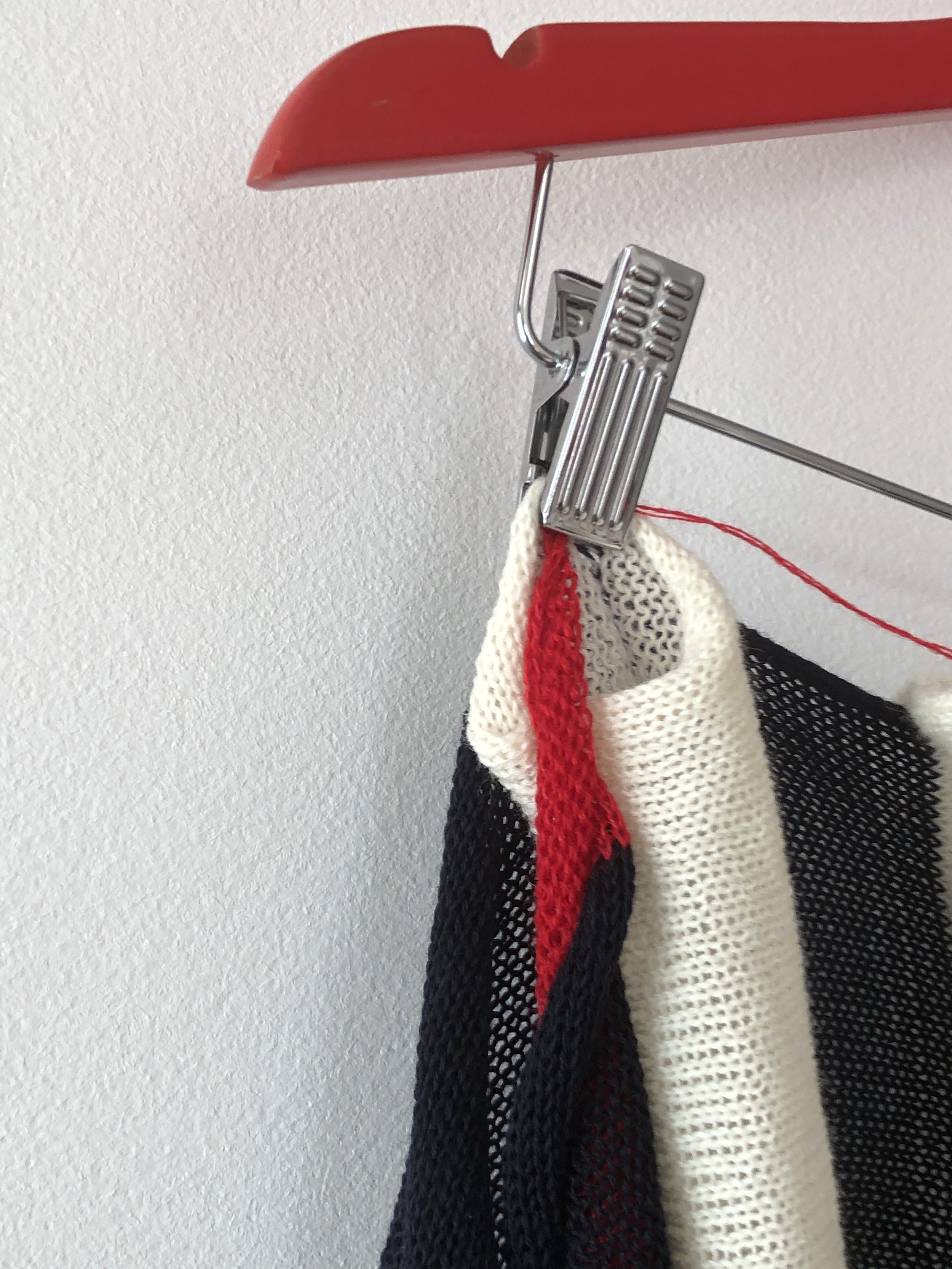
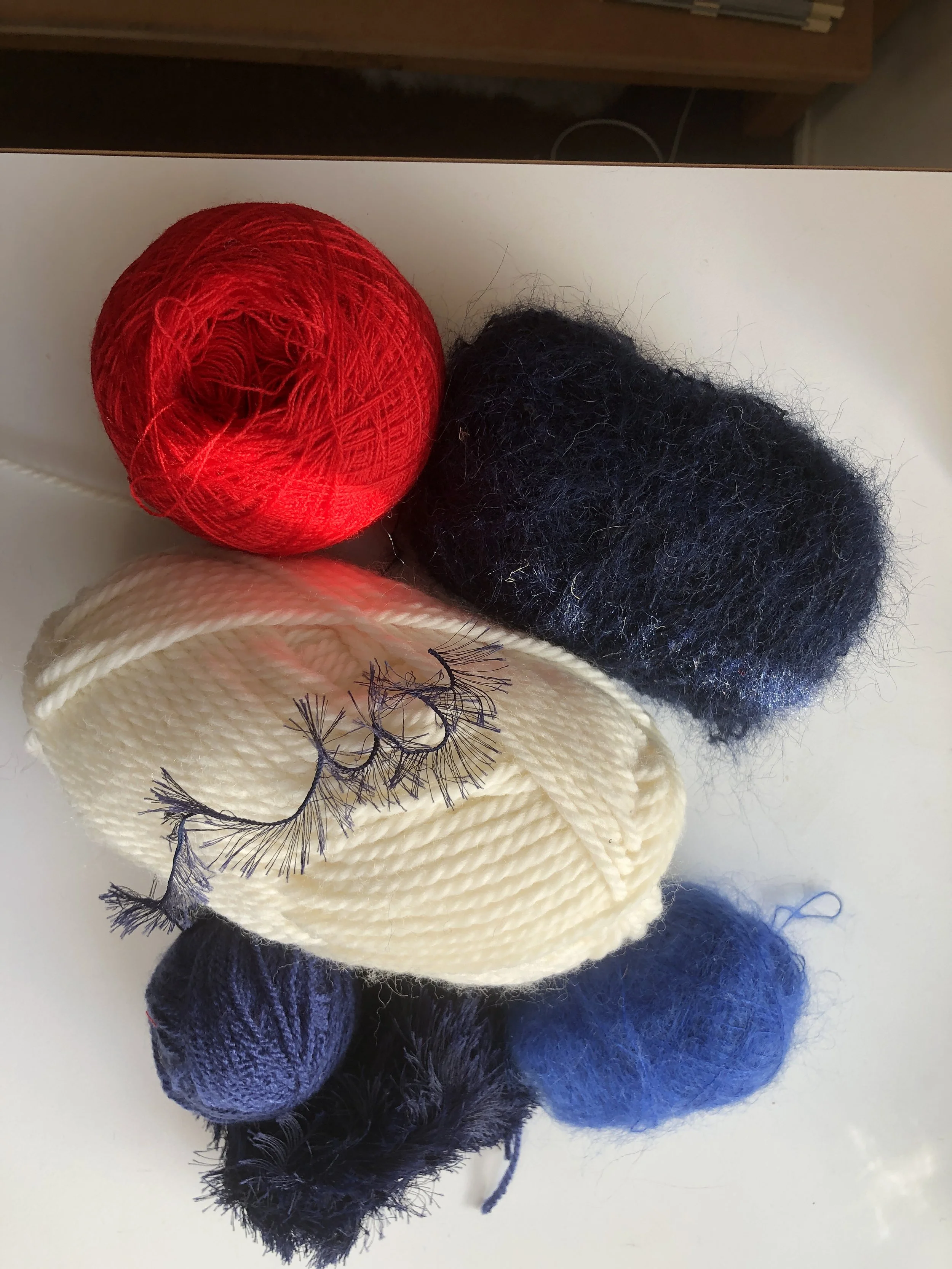
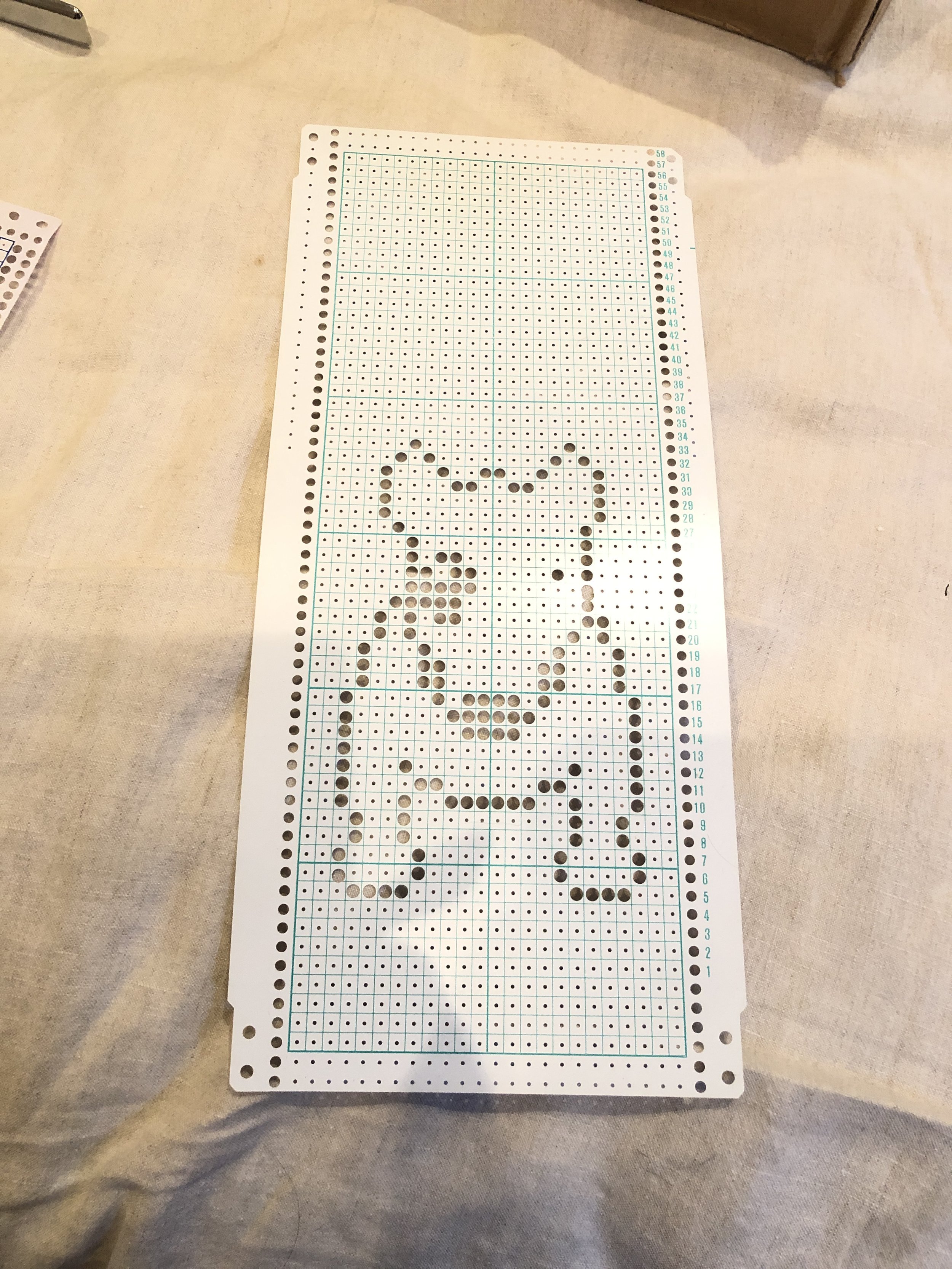
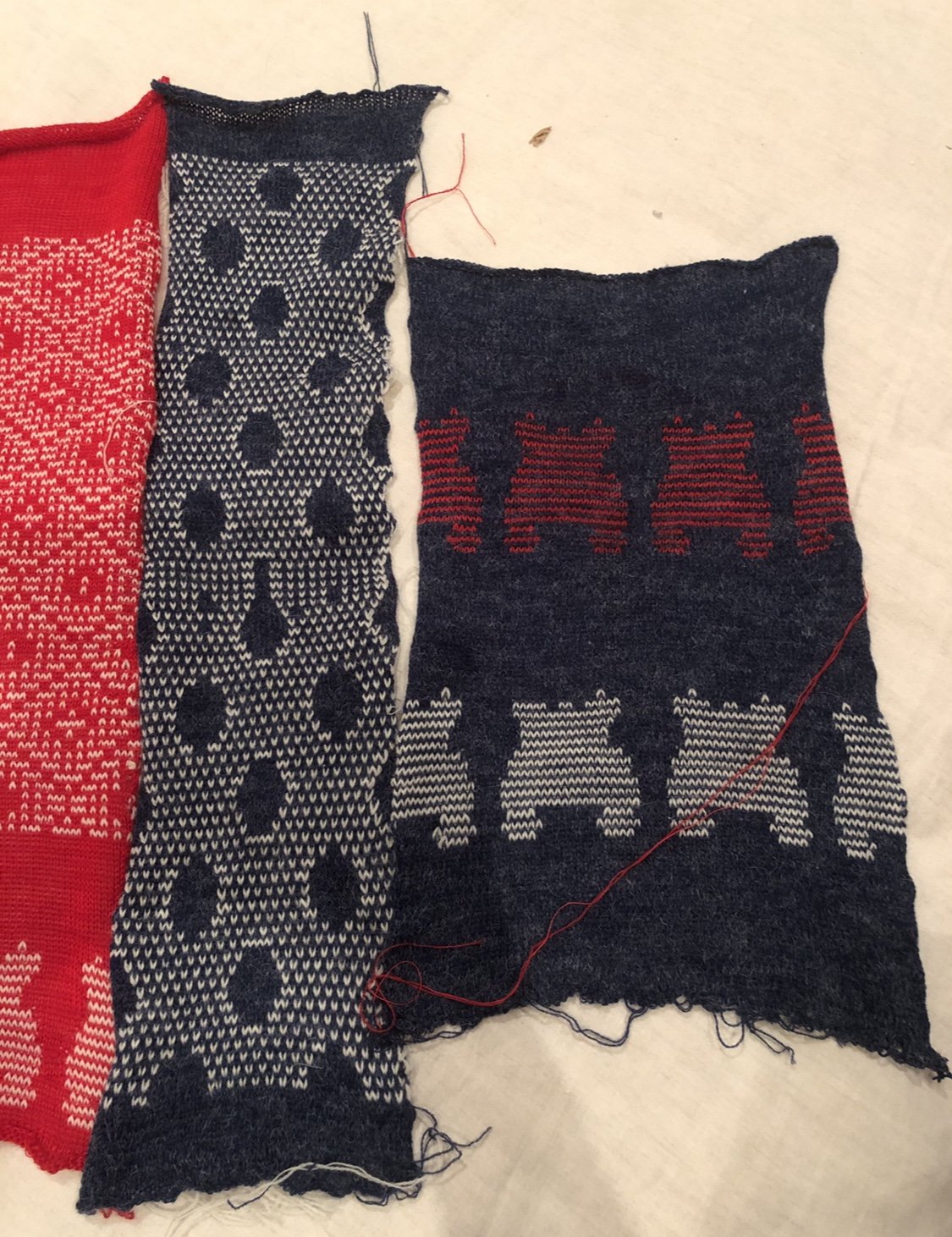
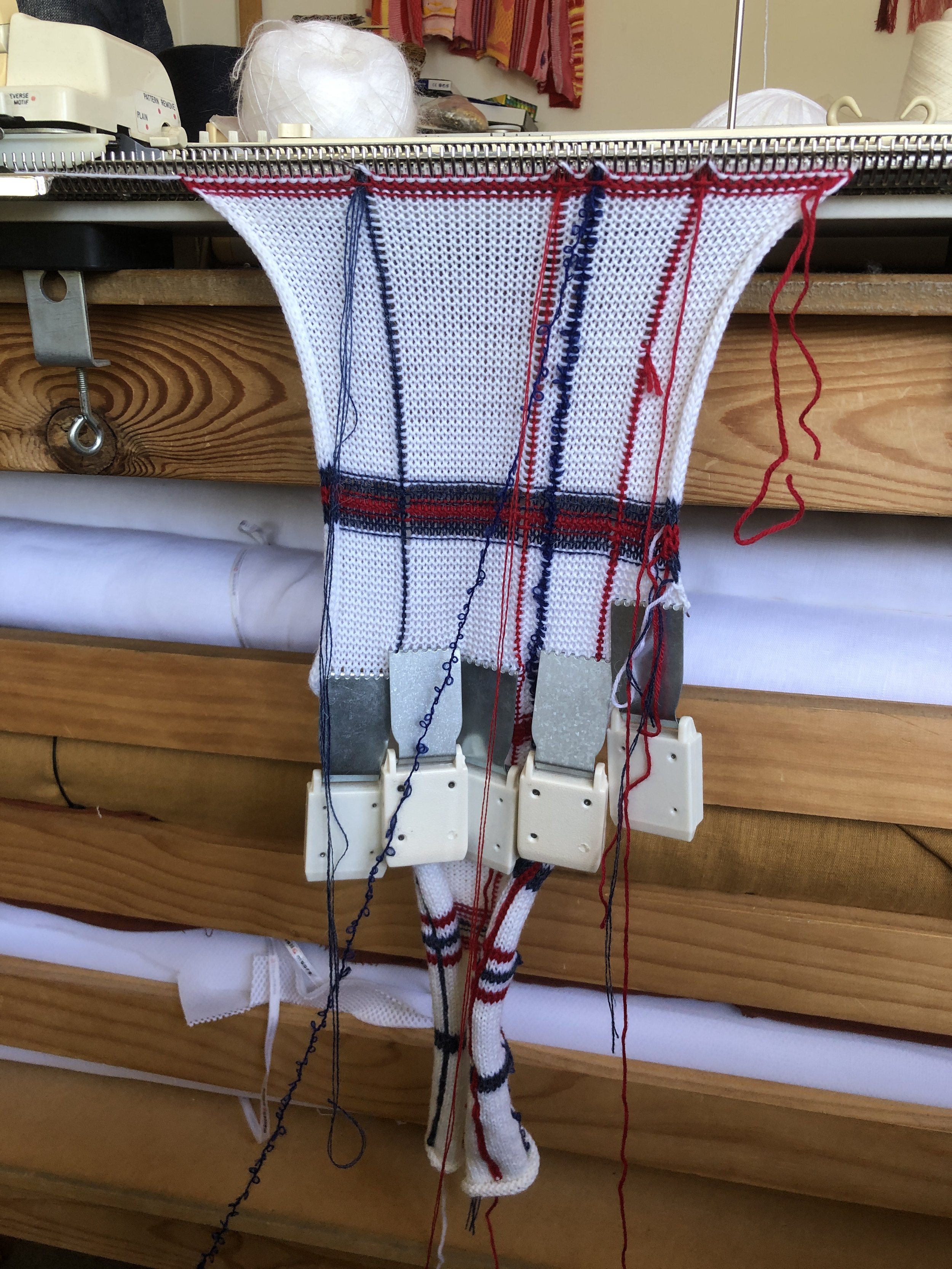
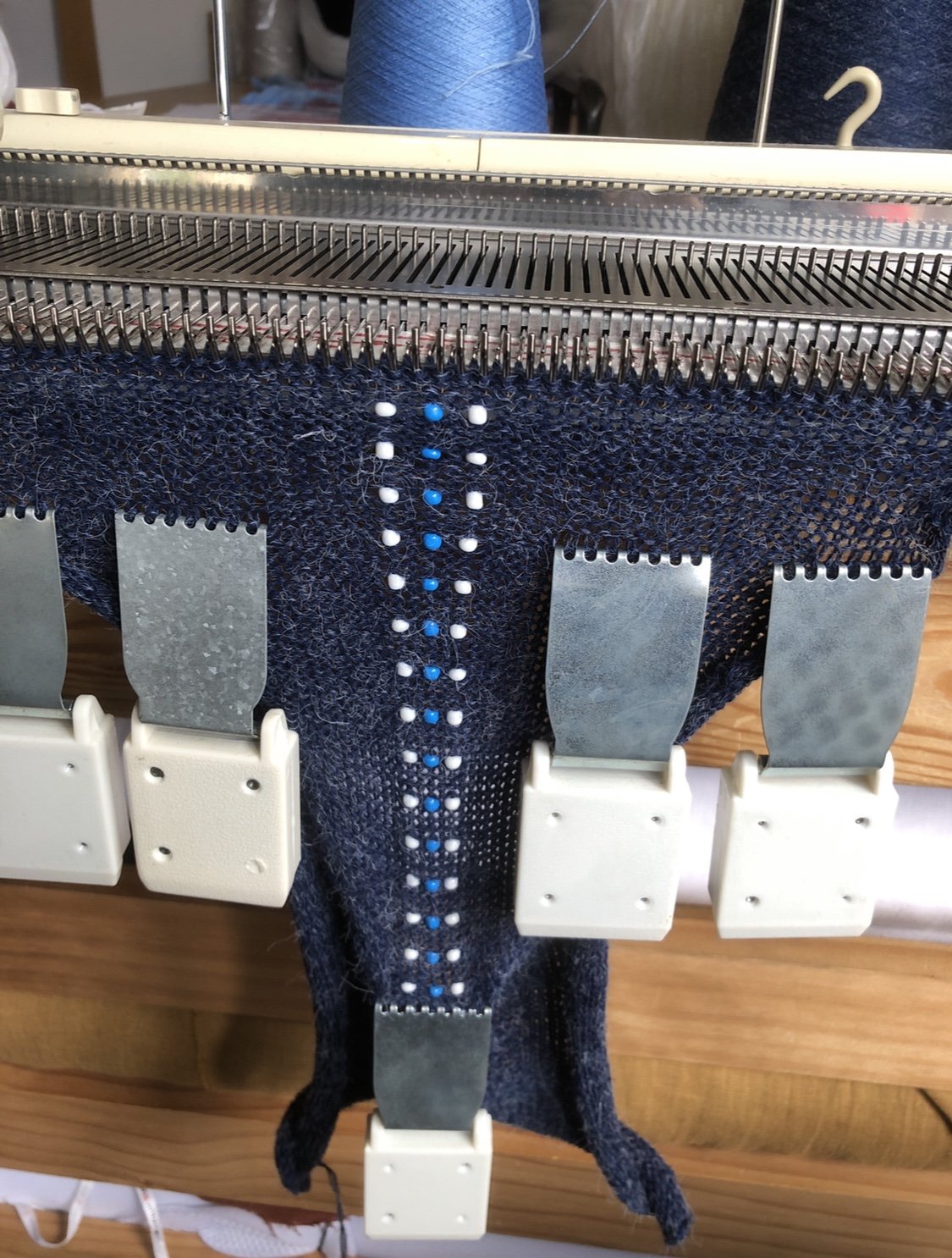
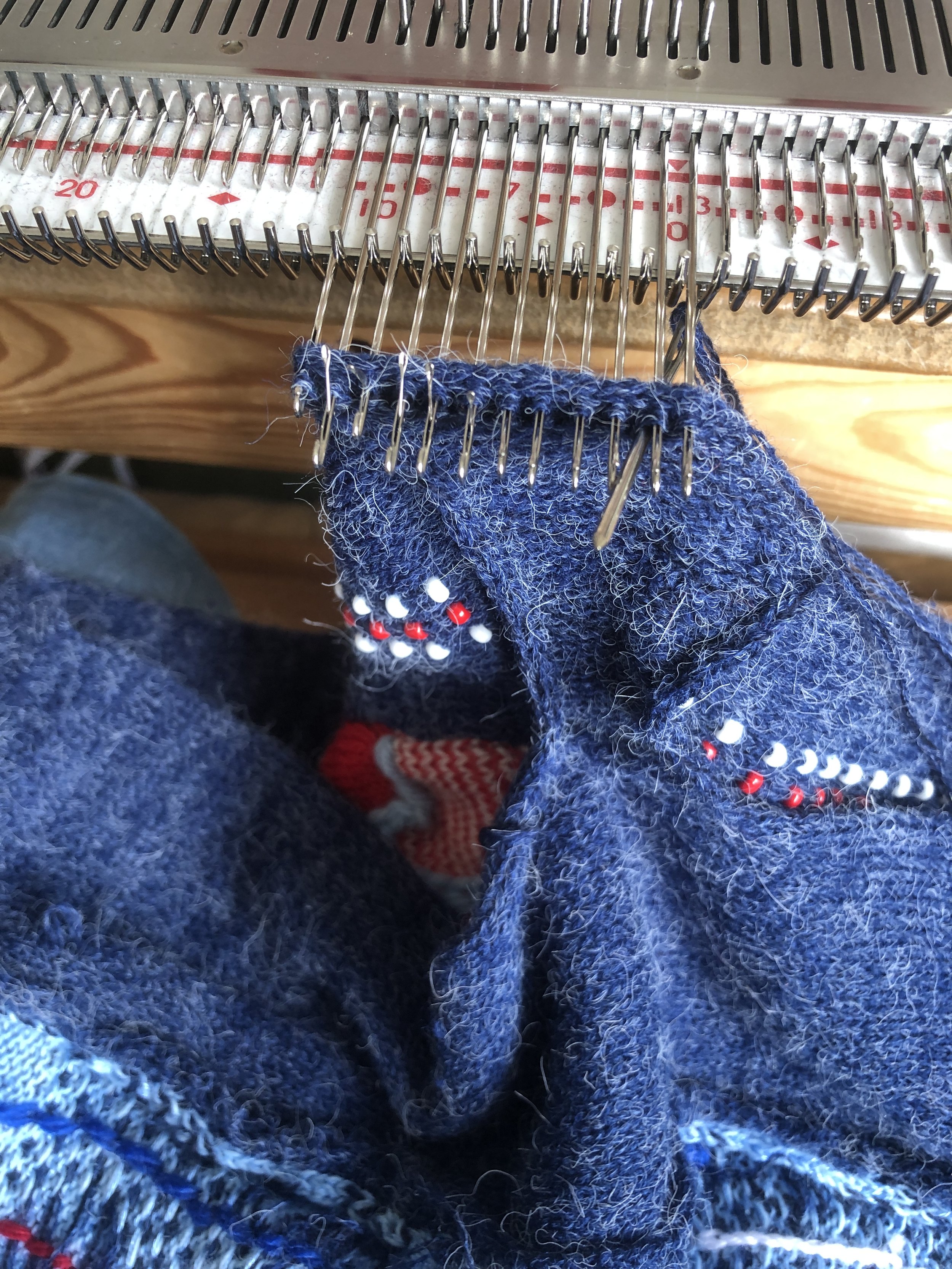
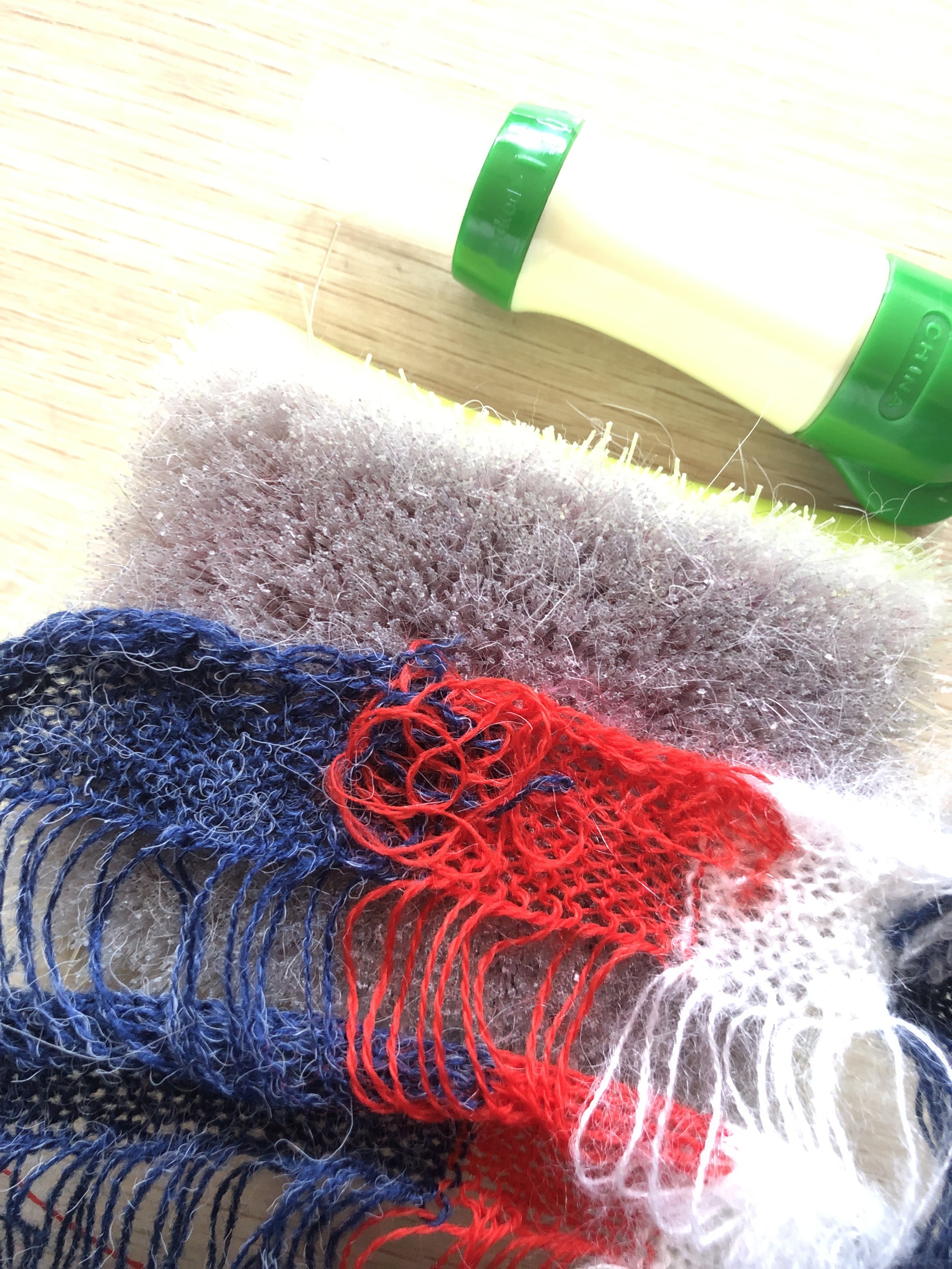
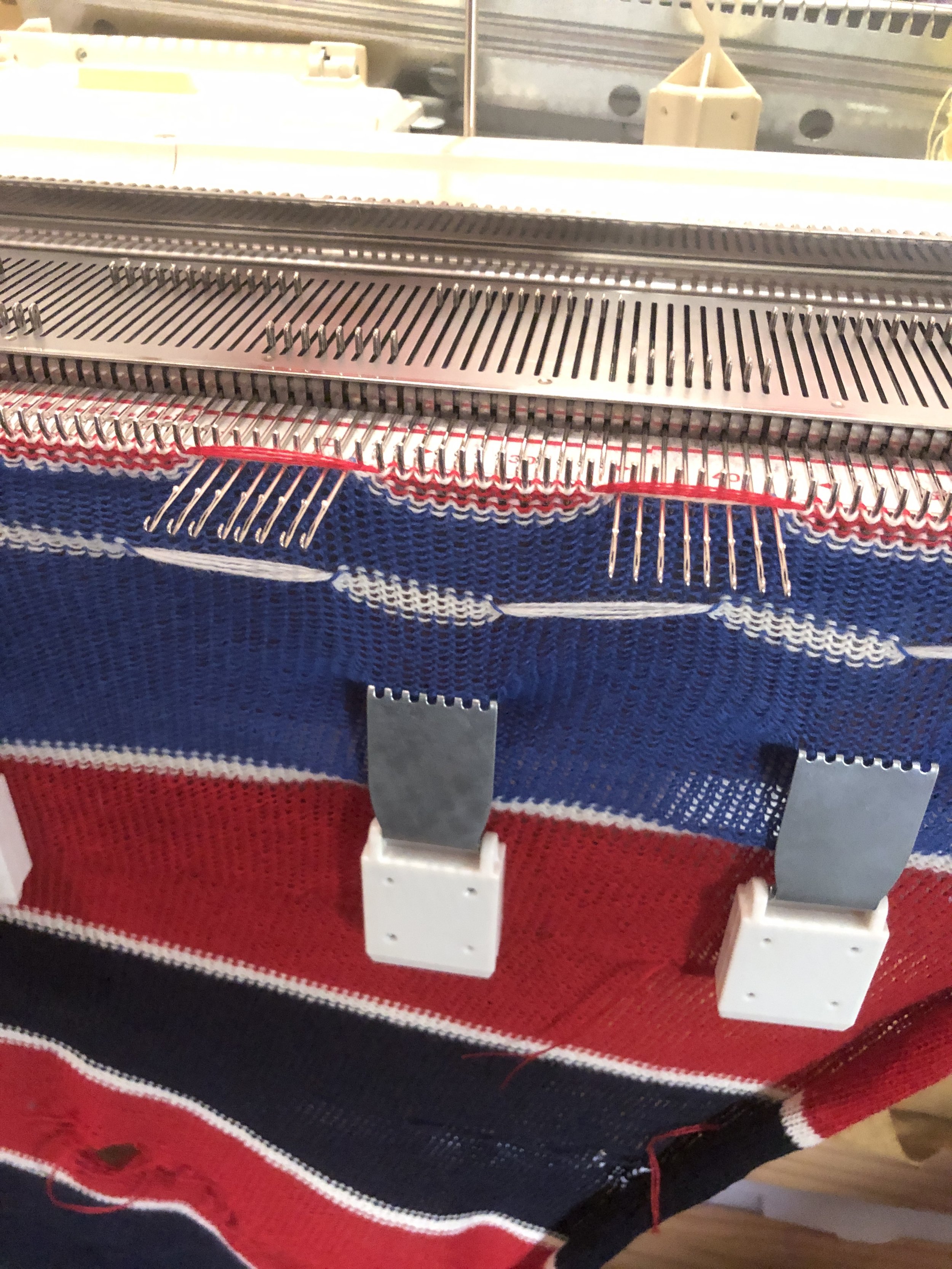
Experimentation was central to the development of Making Space. Through repeated processes of knitting, crochet, felting and hand stitching, weaving, dyeing, beading, hand painting and pleating I explored how different materials, structures and techniques could be combined and transformed.
Not every experiment produced the result I anticipated. Some approaches were altered, extended or abandoned, while unexpected outcomes often suggested new directions. Rather than treating these moments as mistakes, I used them as opportunities to observe, reconsider and respond.
Meaning emerged through this process of exploration. Each material decision, adjustment and discovery contributed to the evolving language of the collection.
DEVELOPMENT AND TRANSFORMATION
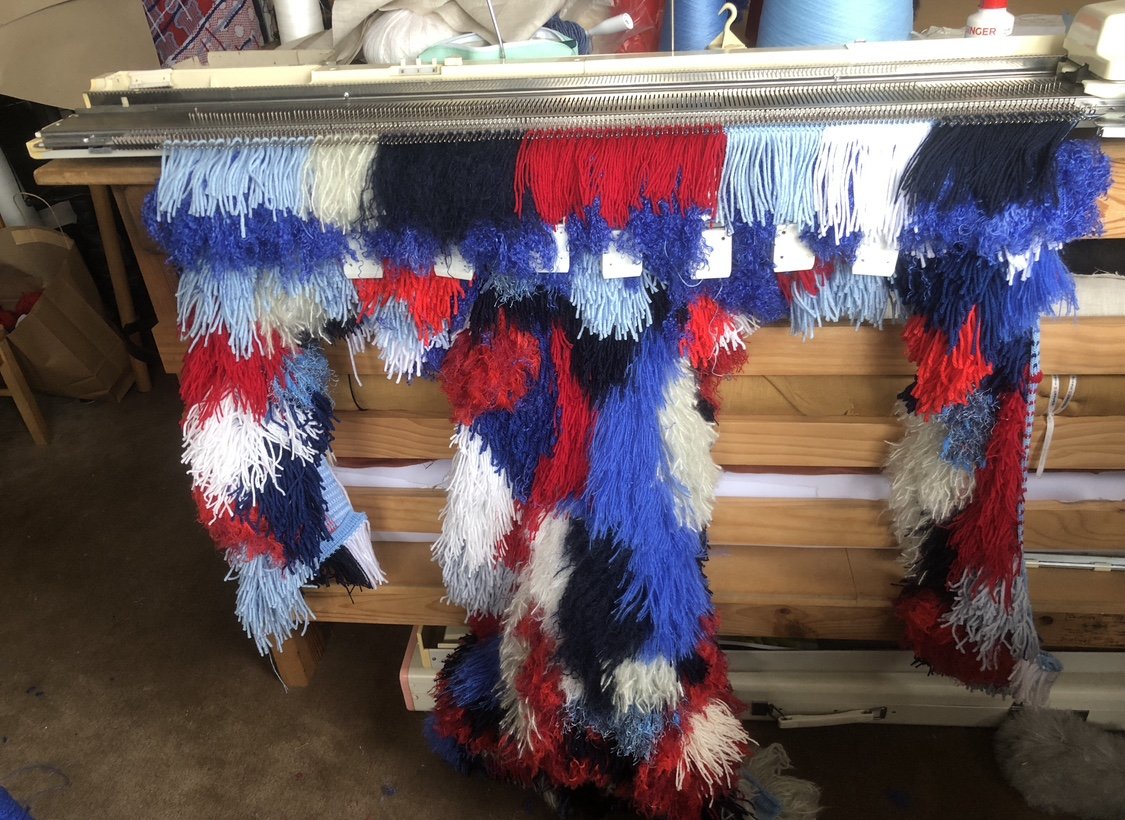
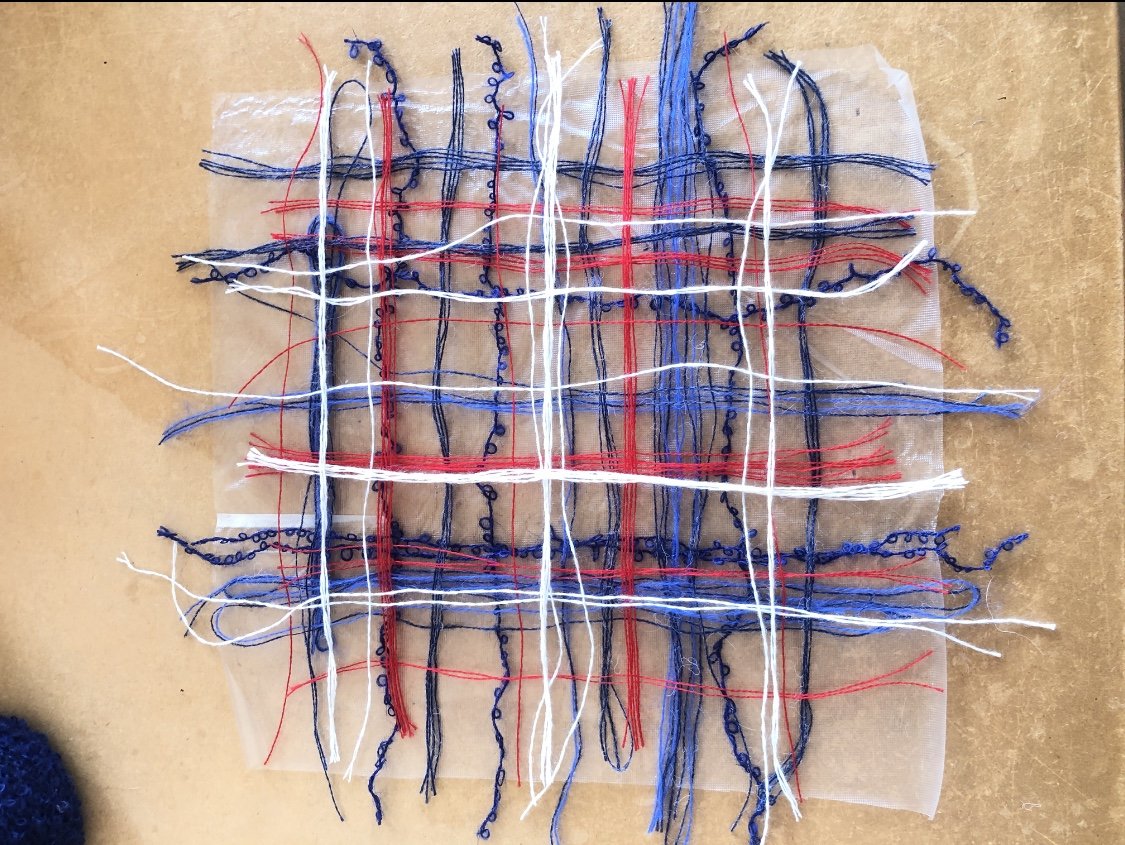
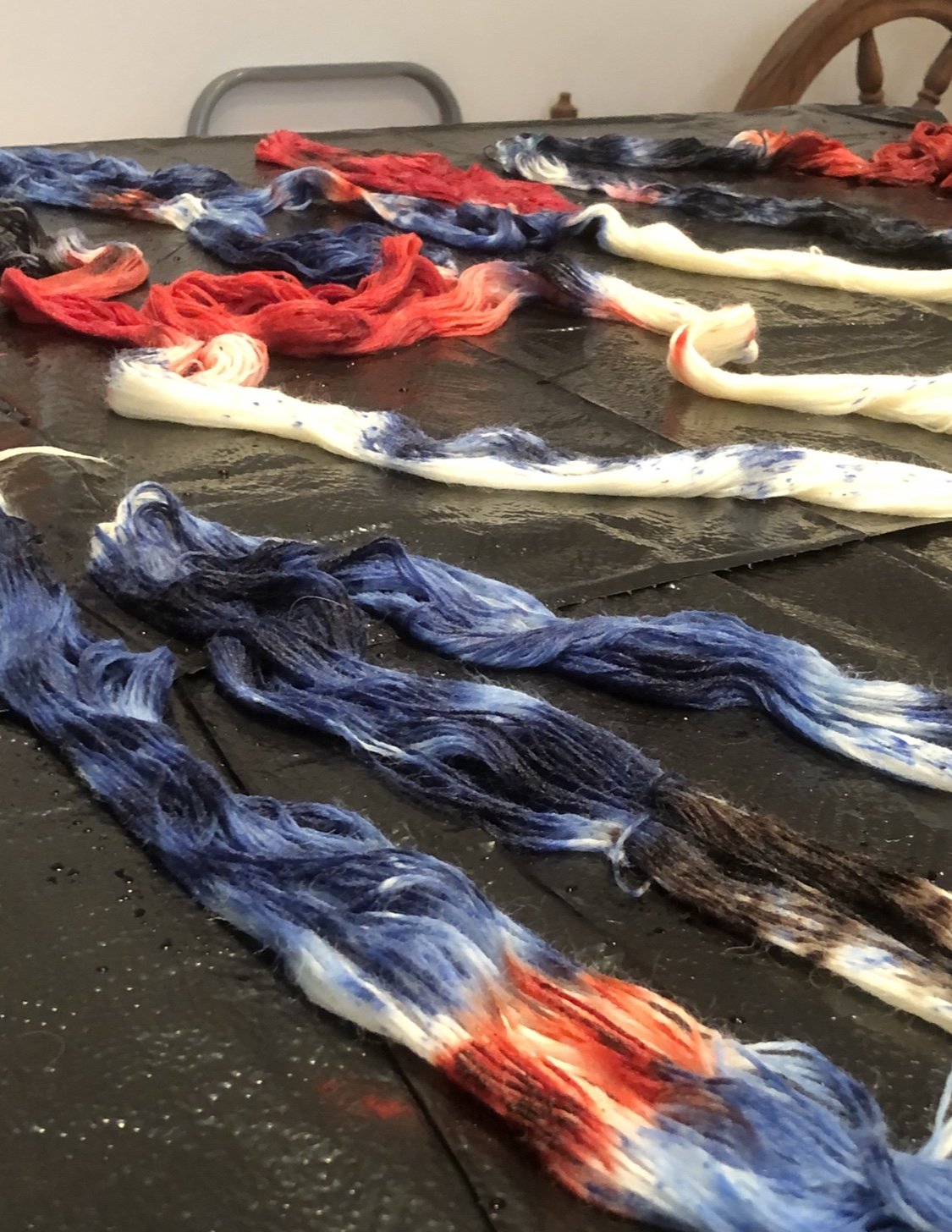
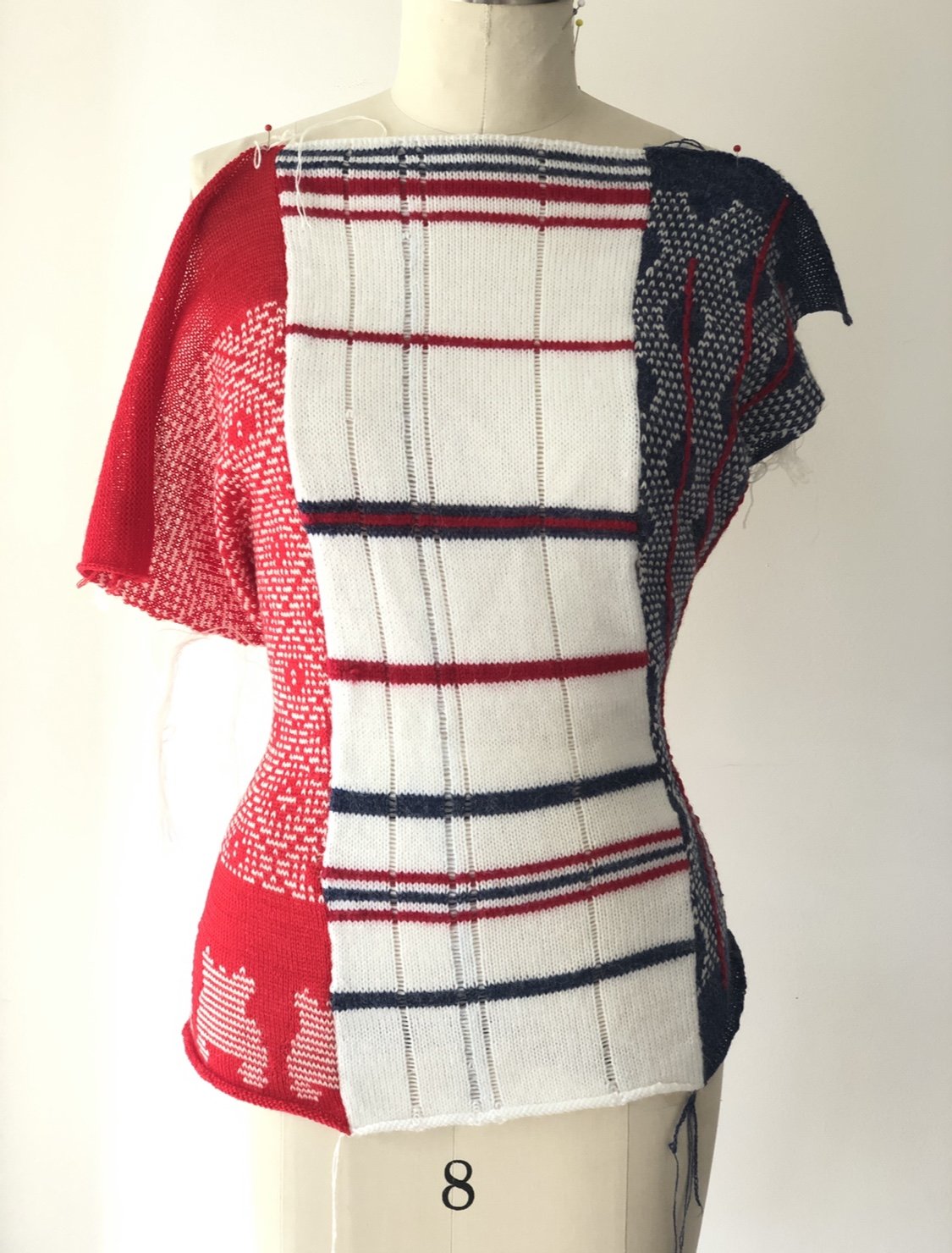
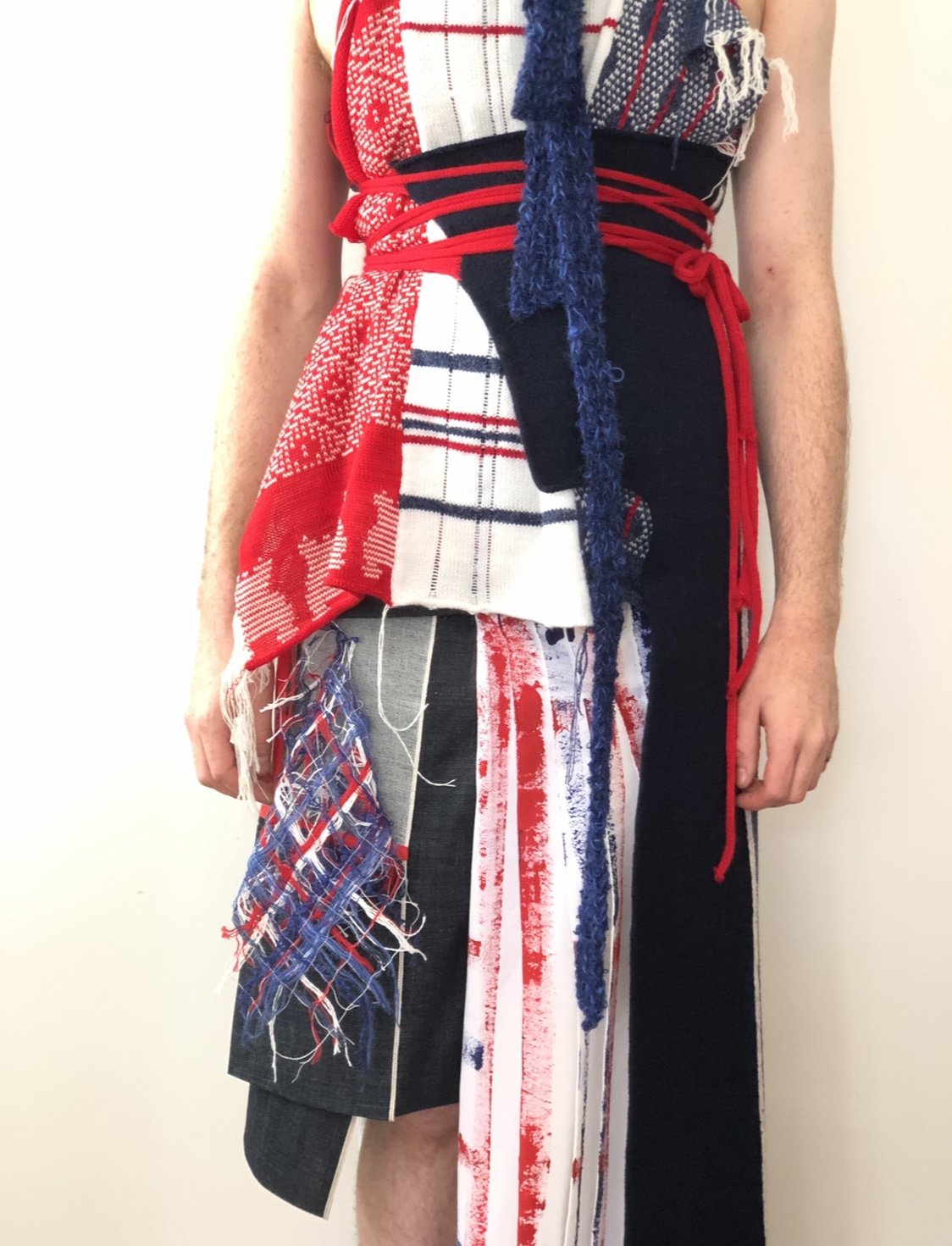
As the project developed, individual experiments began to inform the direction of the final pieces. I selected, adapted and combined textile elements, considering how structure, colour, texture and form could work together to communicate the ideas behind each Look.
Some materials were transformed through further processes, while others were brought together in unexpected ways. Decisions were made through an ongoing dialogue between the material and the concept, with each adjustment influencing what came next.
The final collection emerged through this iterative process. Rather than simply translating initial ideas into finished garments, I allowed the work to evolve through making, responding to what the textiles offered and what I wanted them to express.
LOOK 1 — TRAUMA
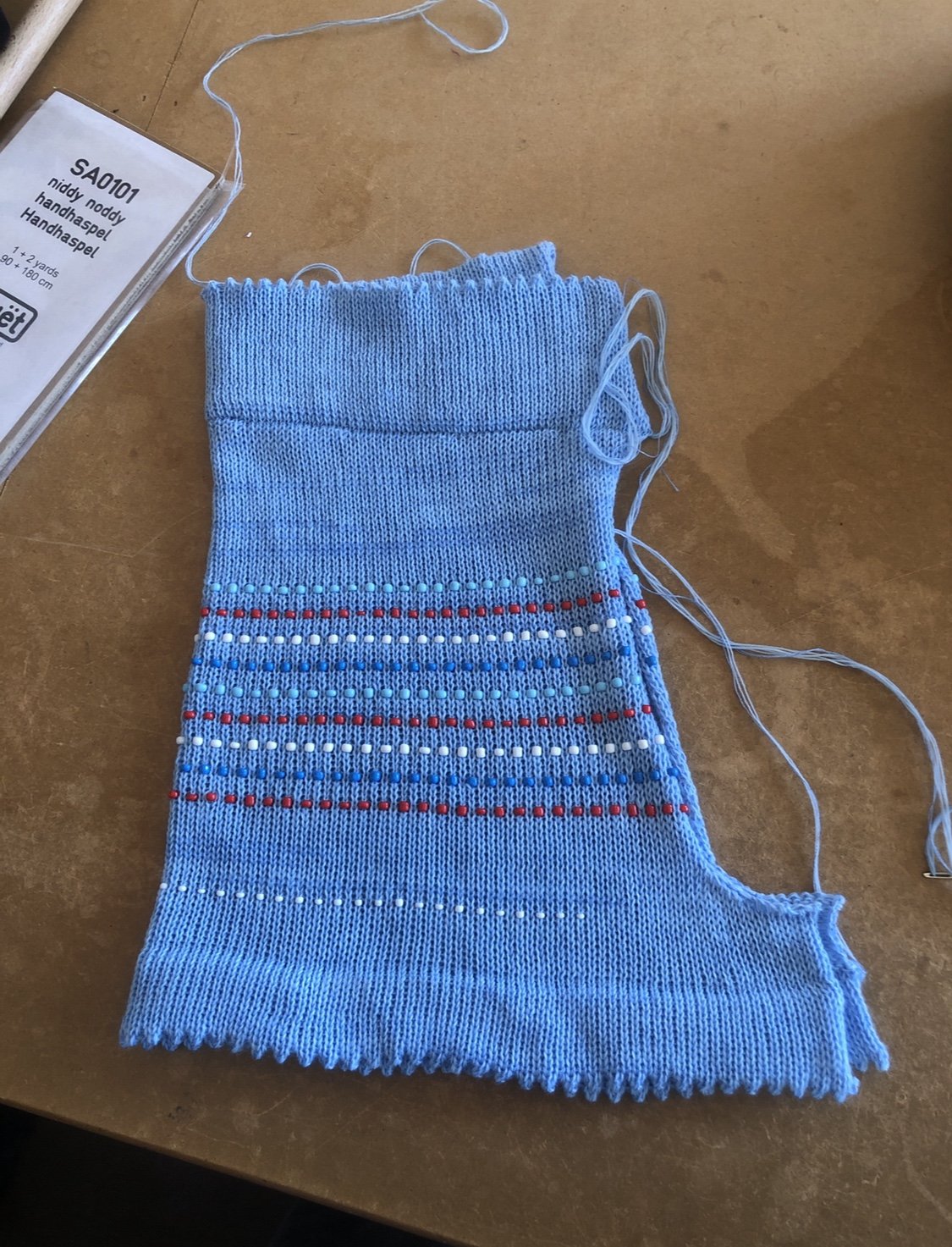
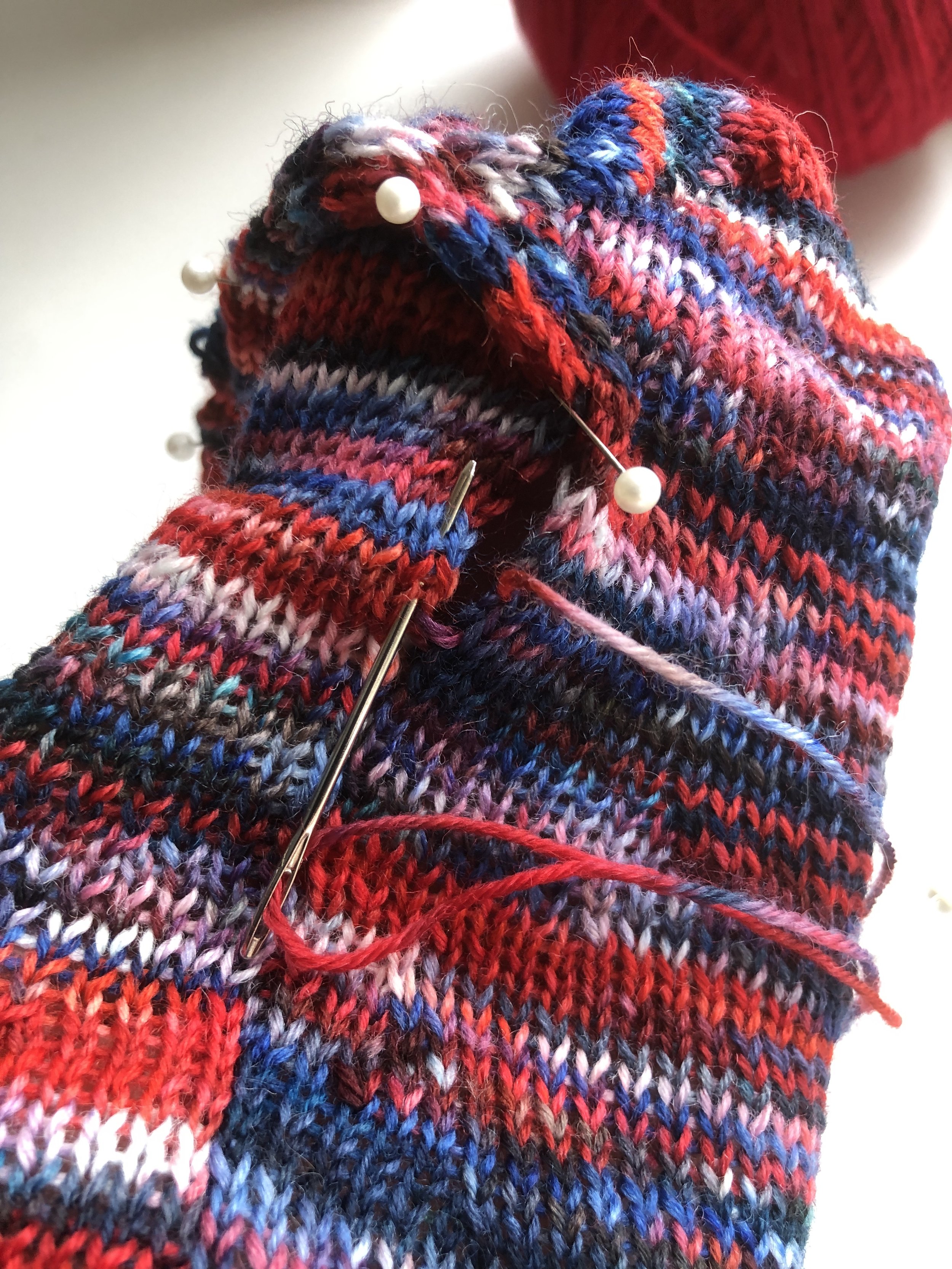
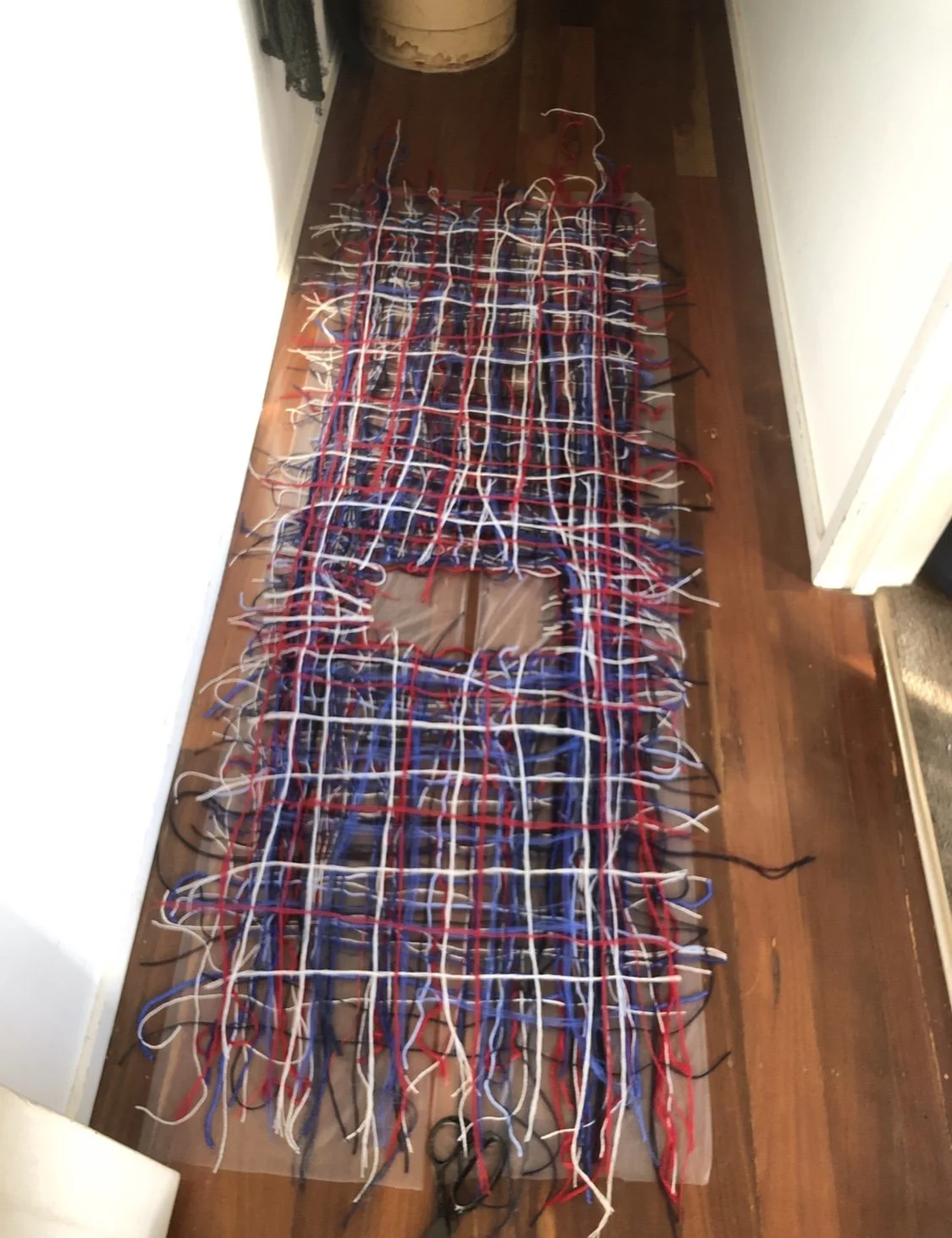
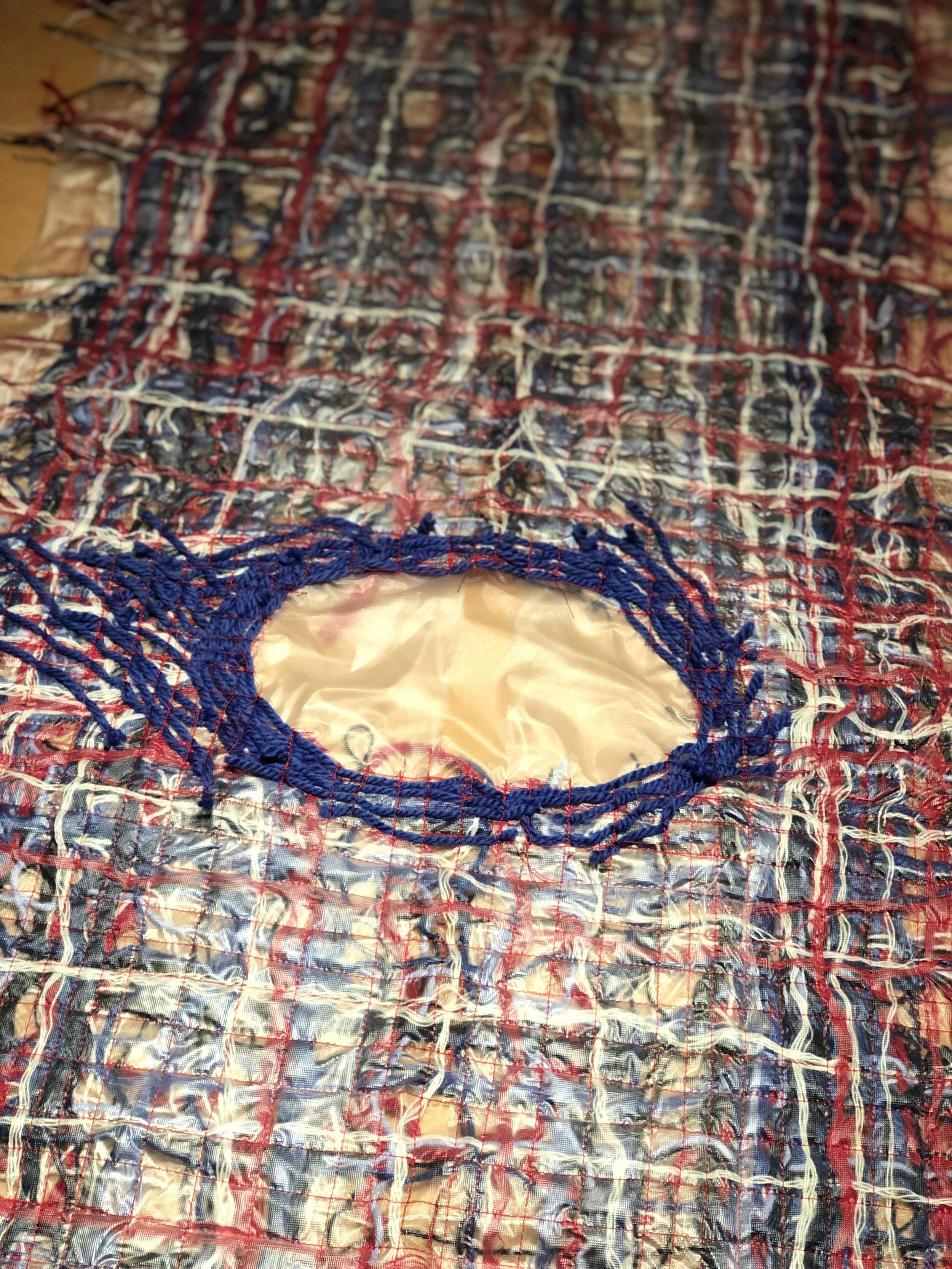
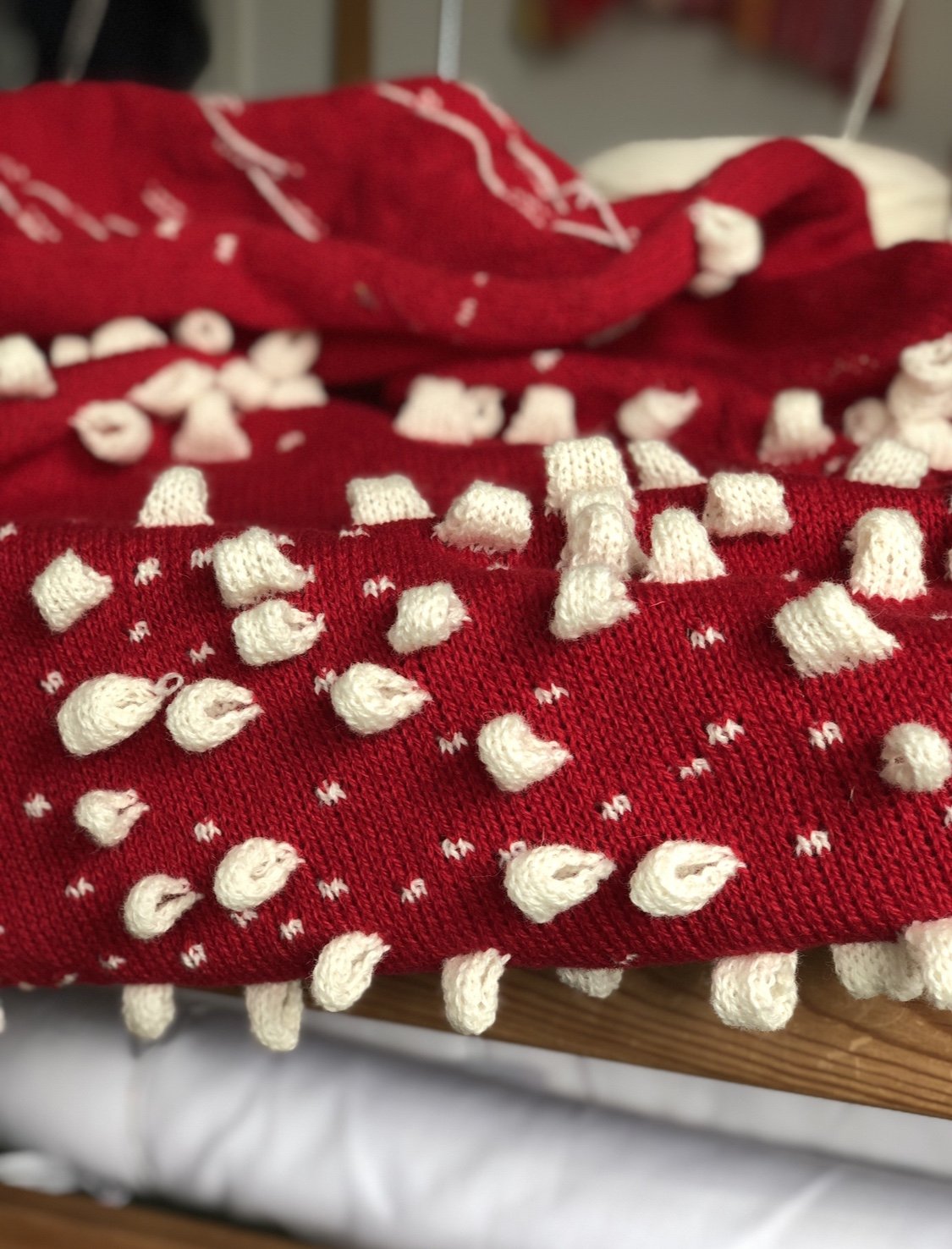
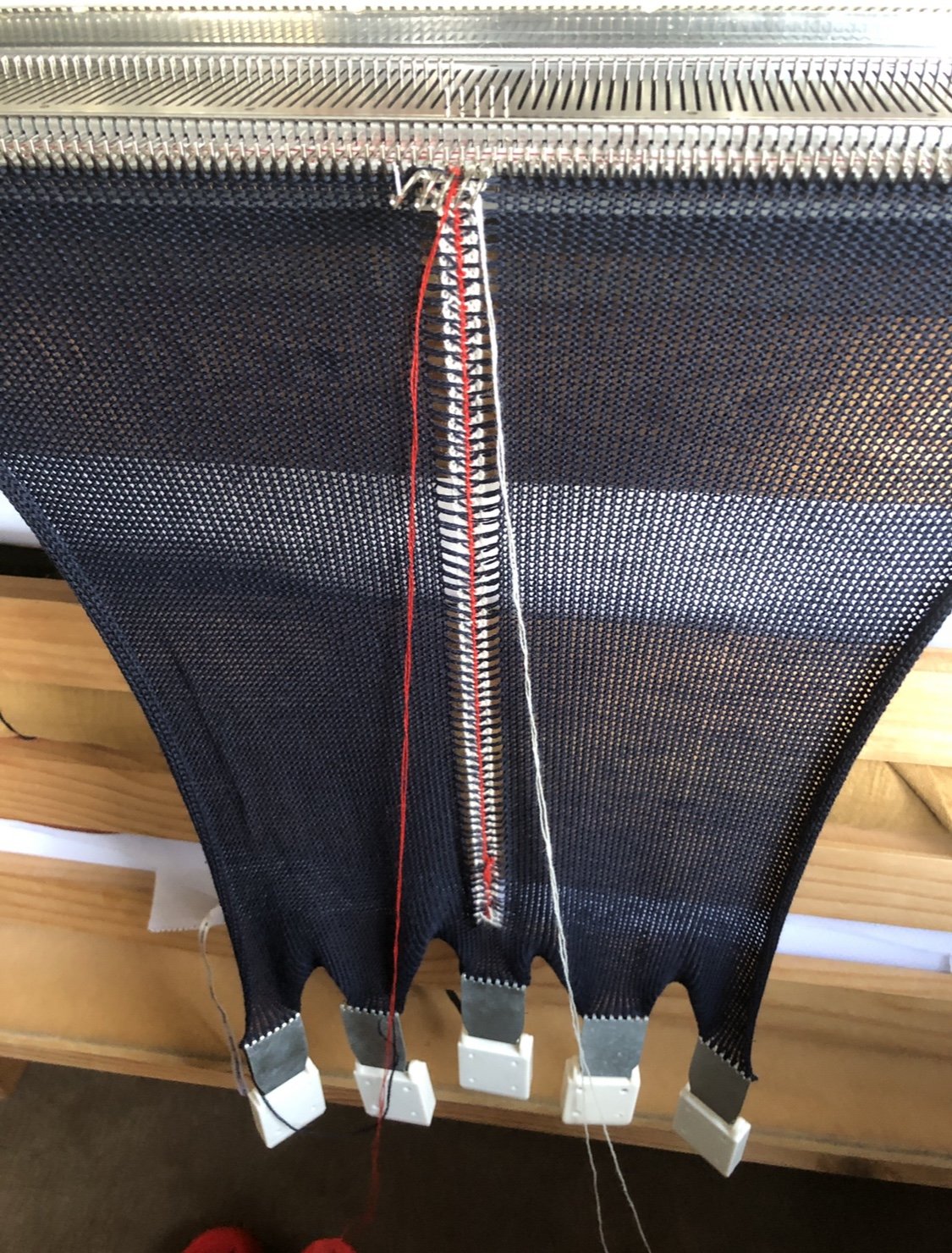
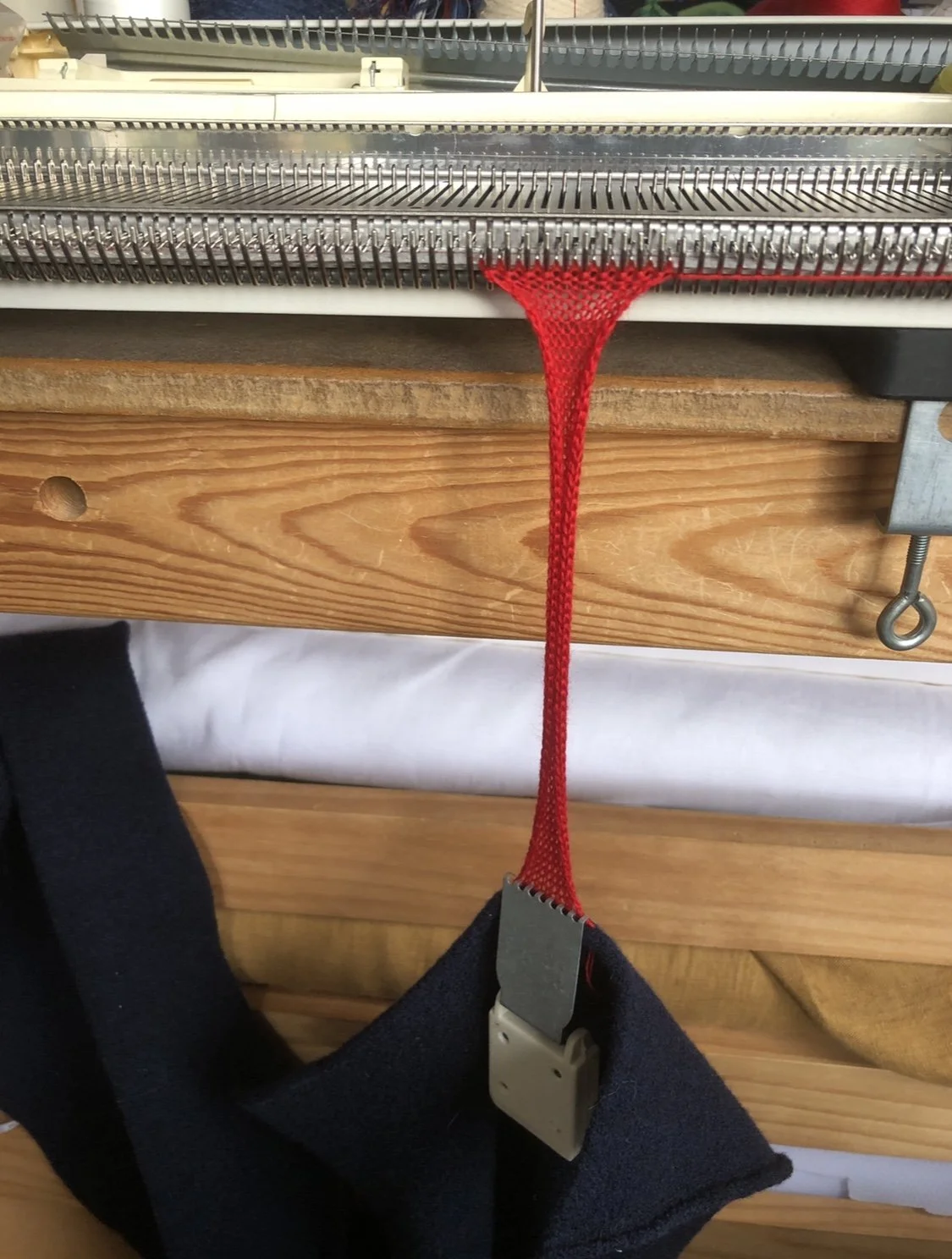
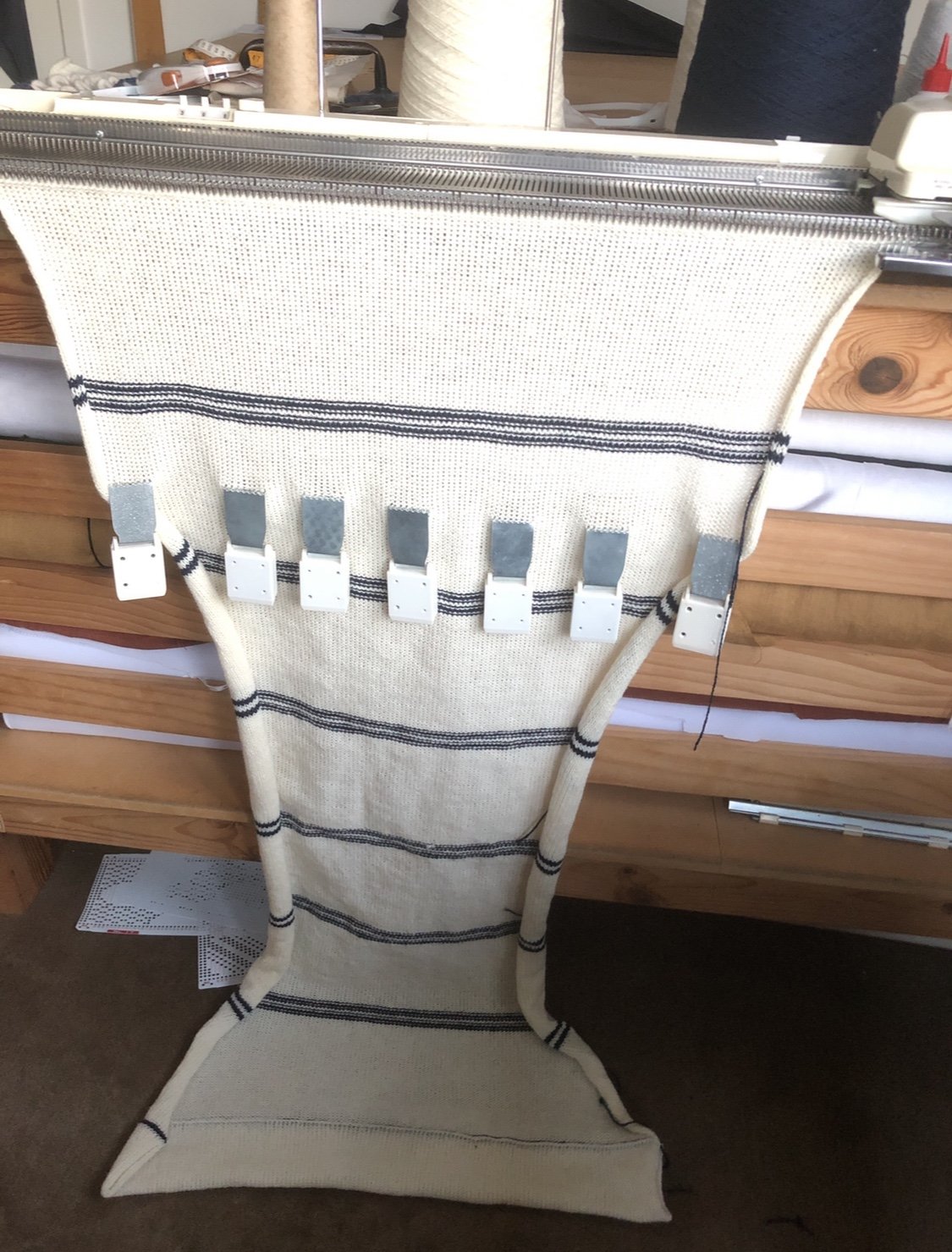
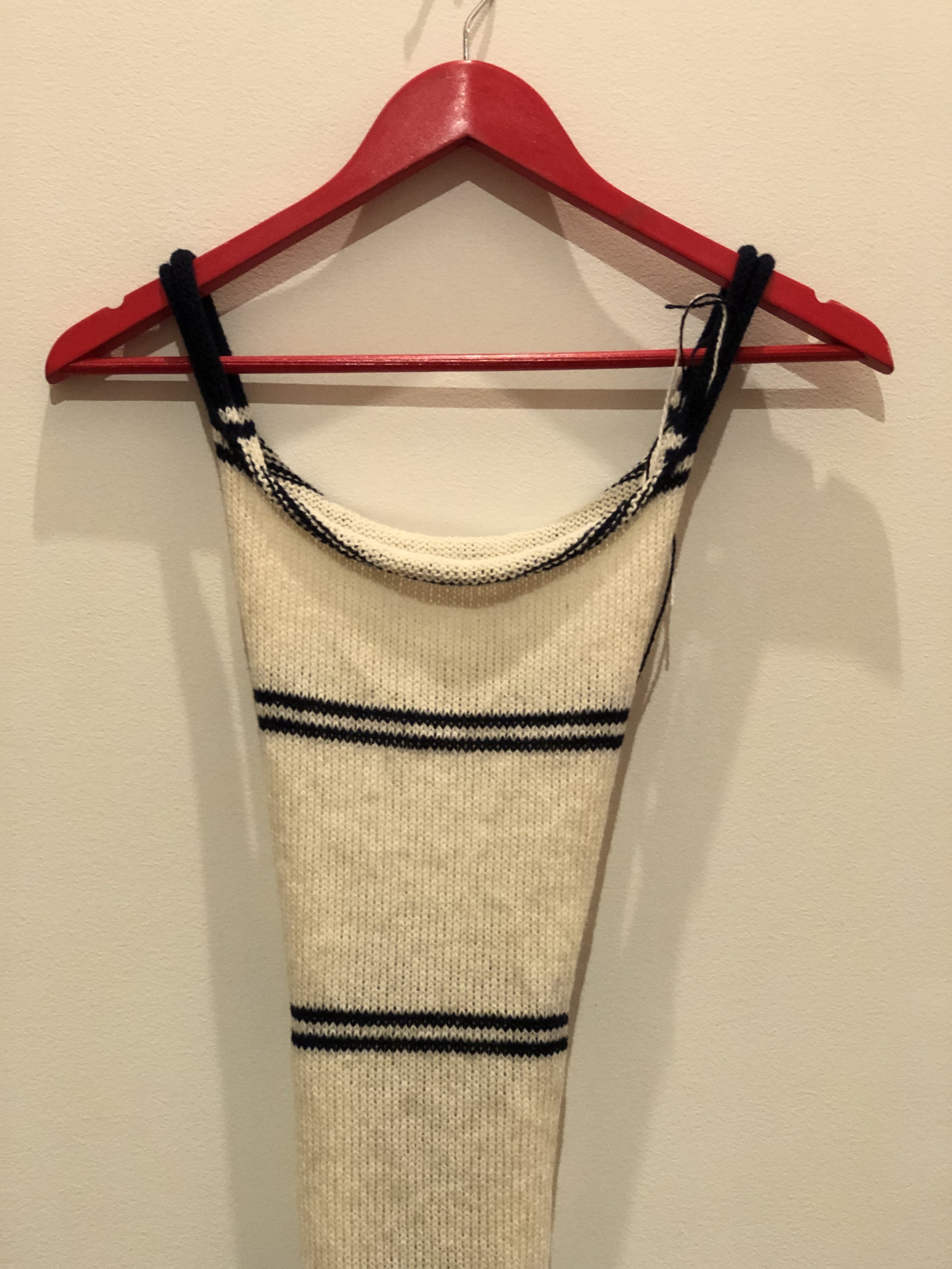
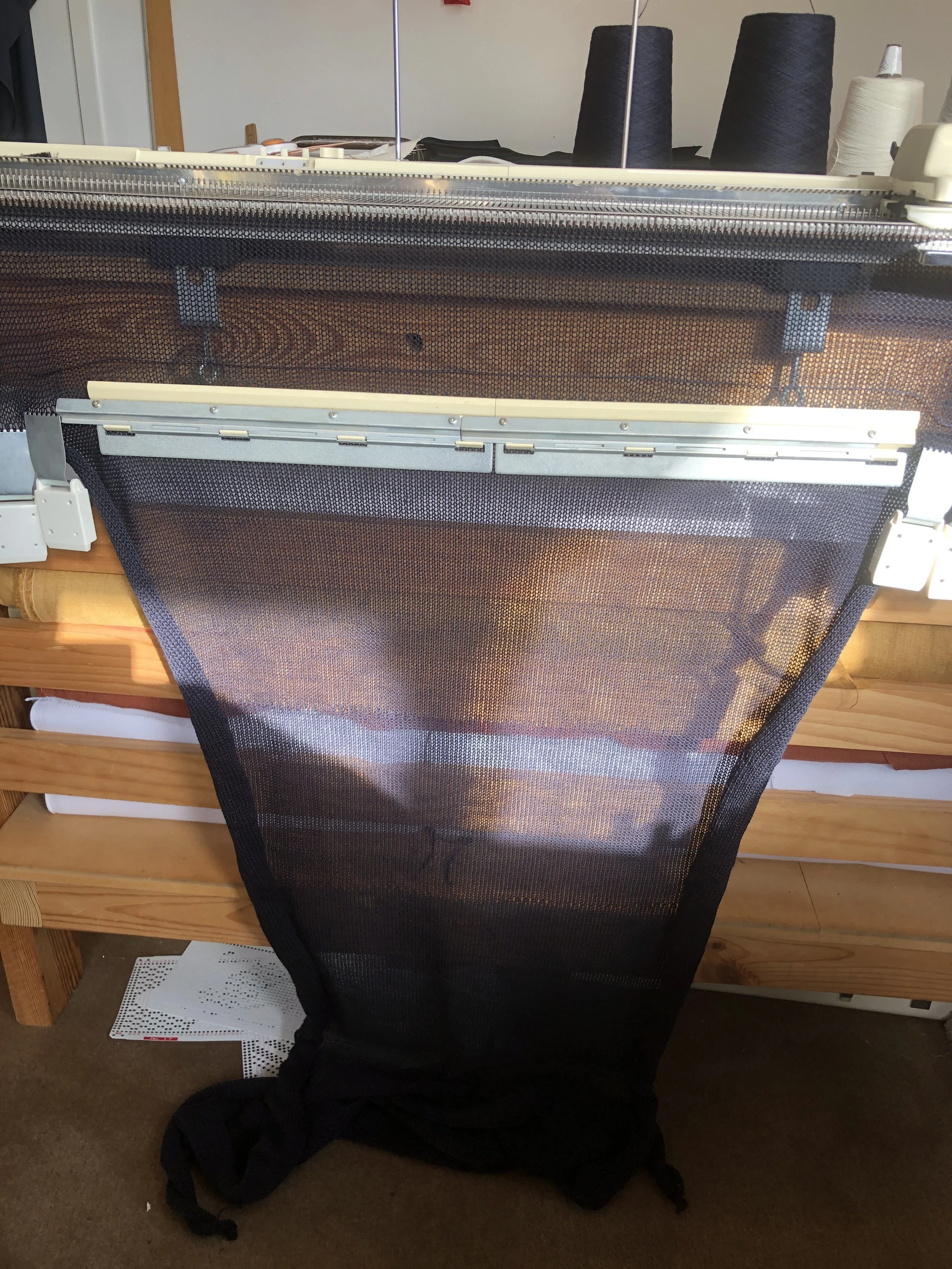
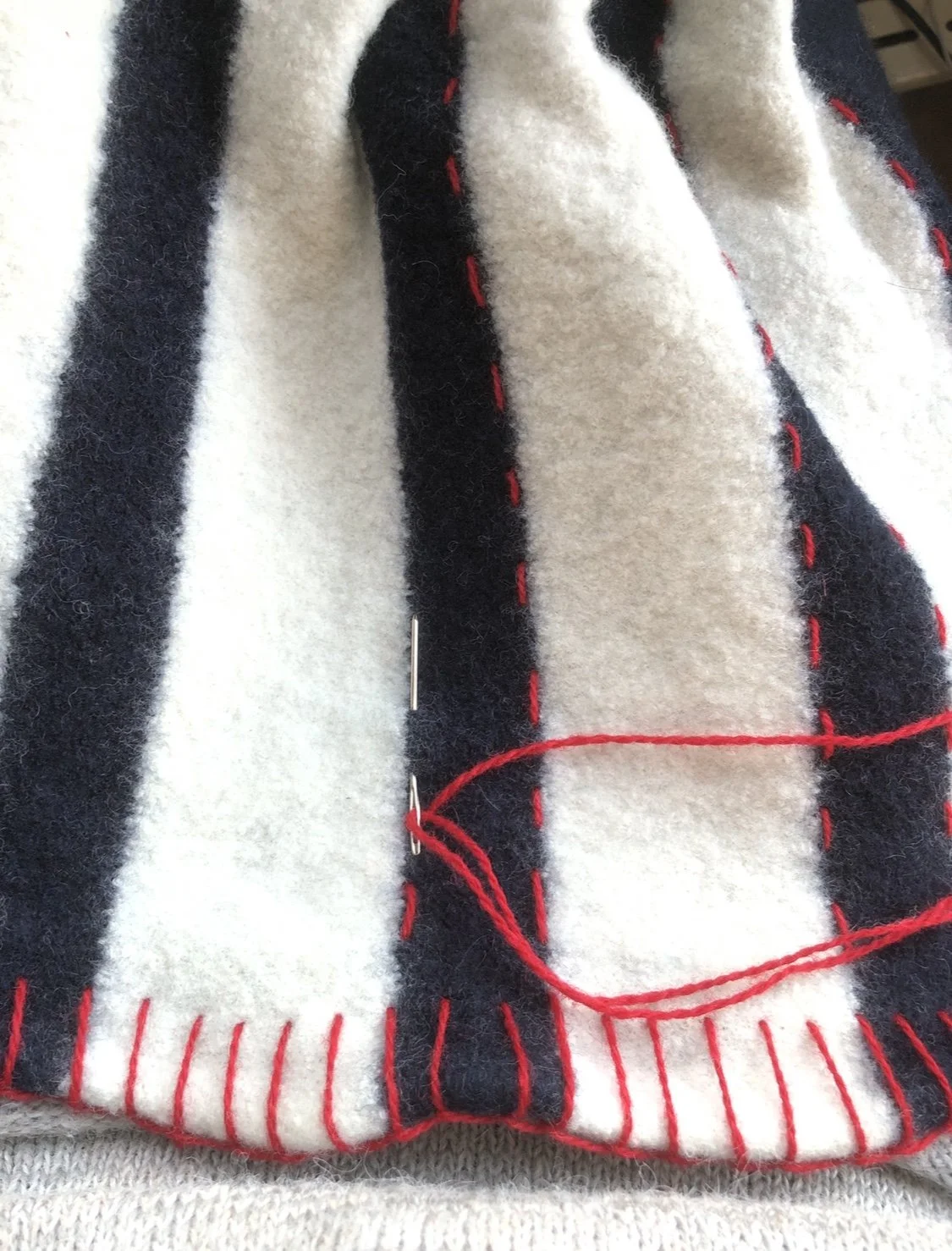
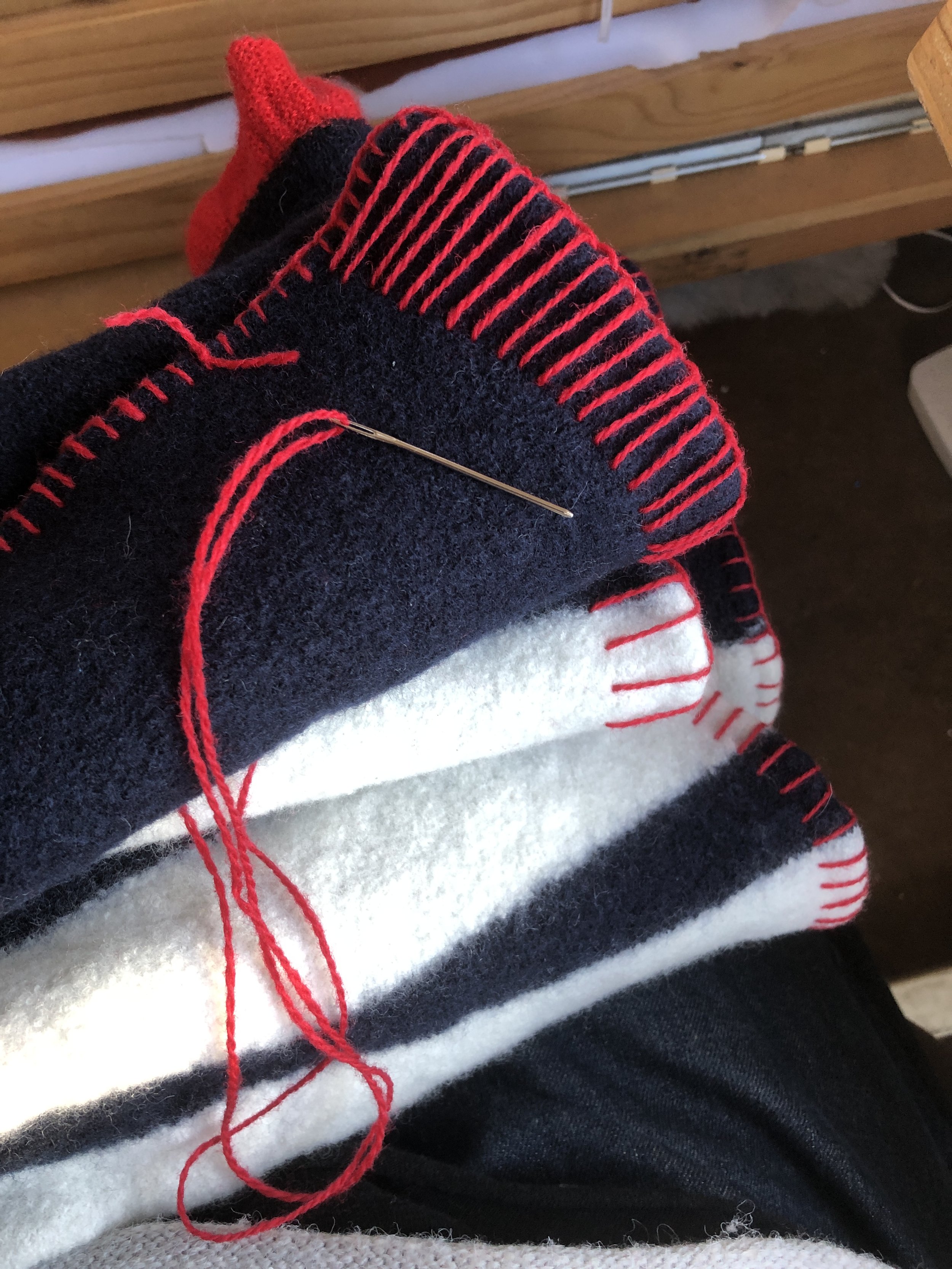
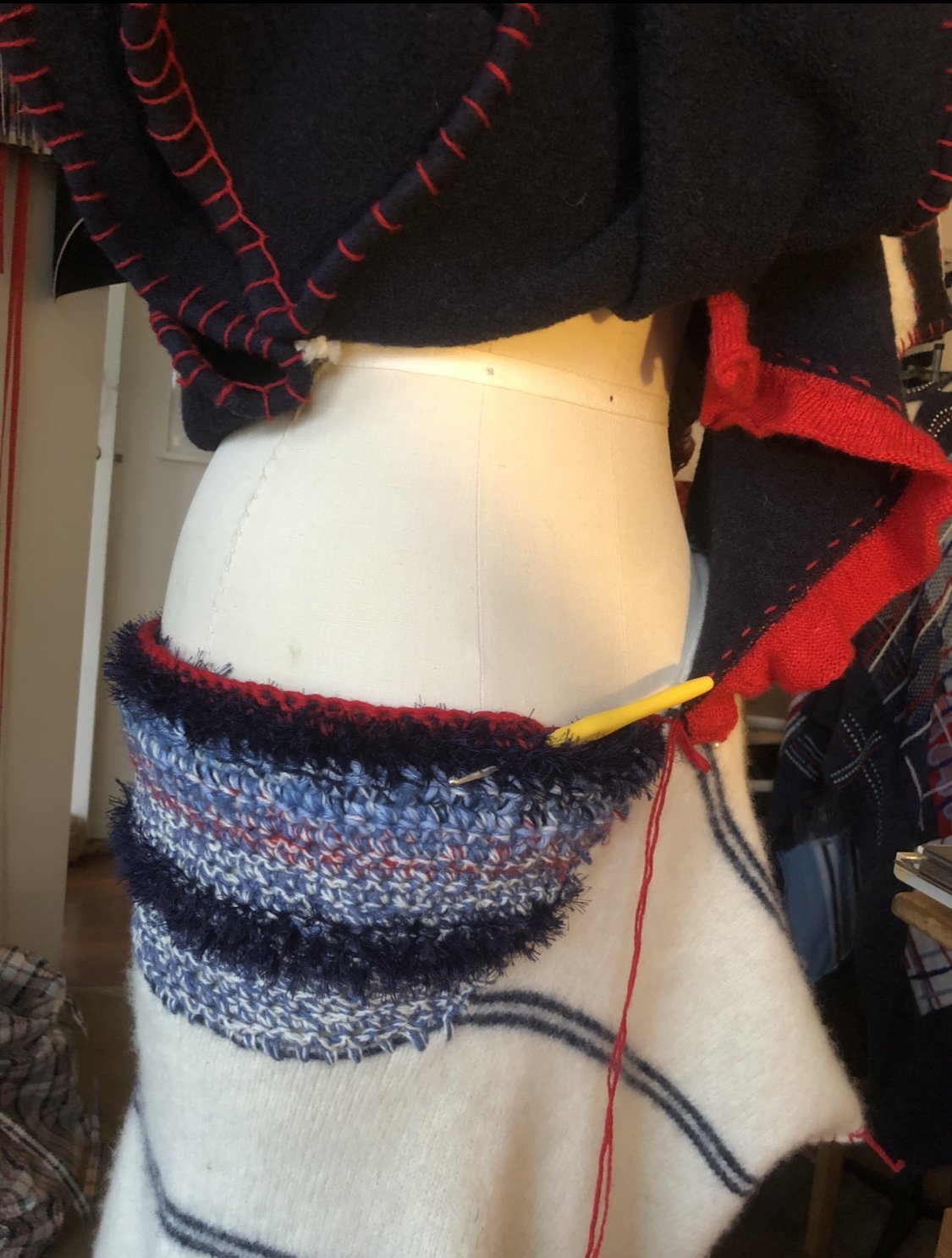
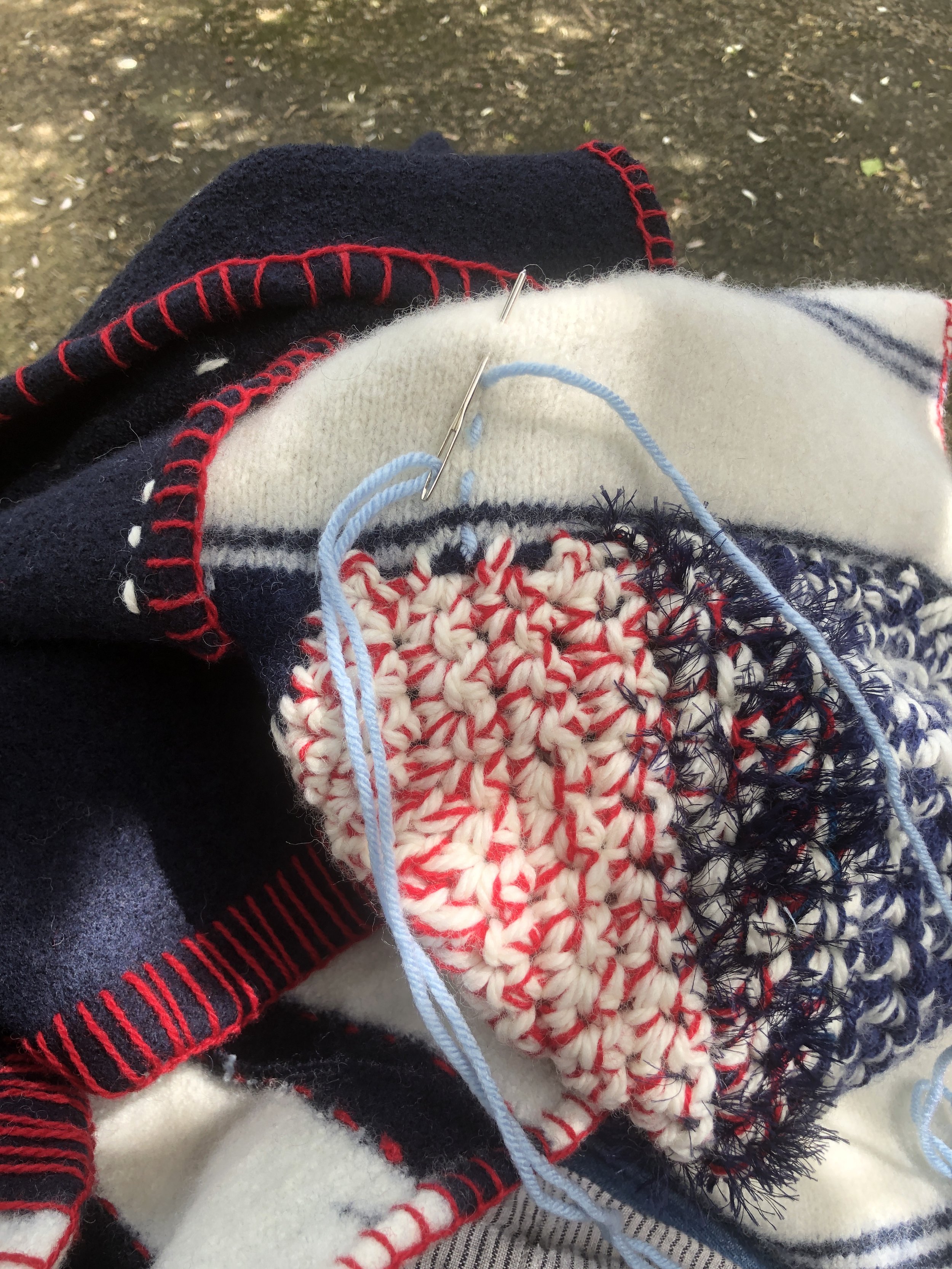
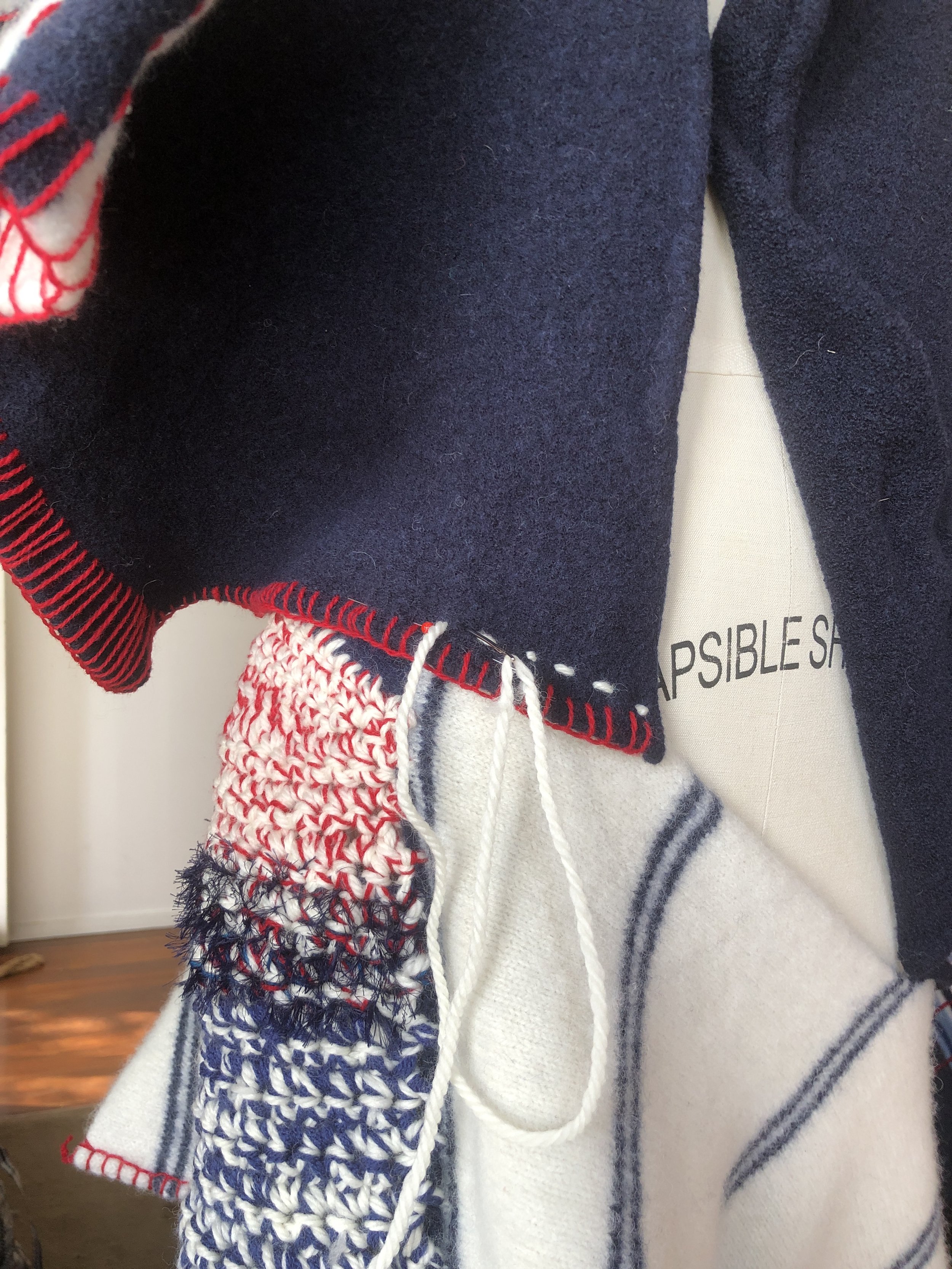
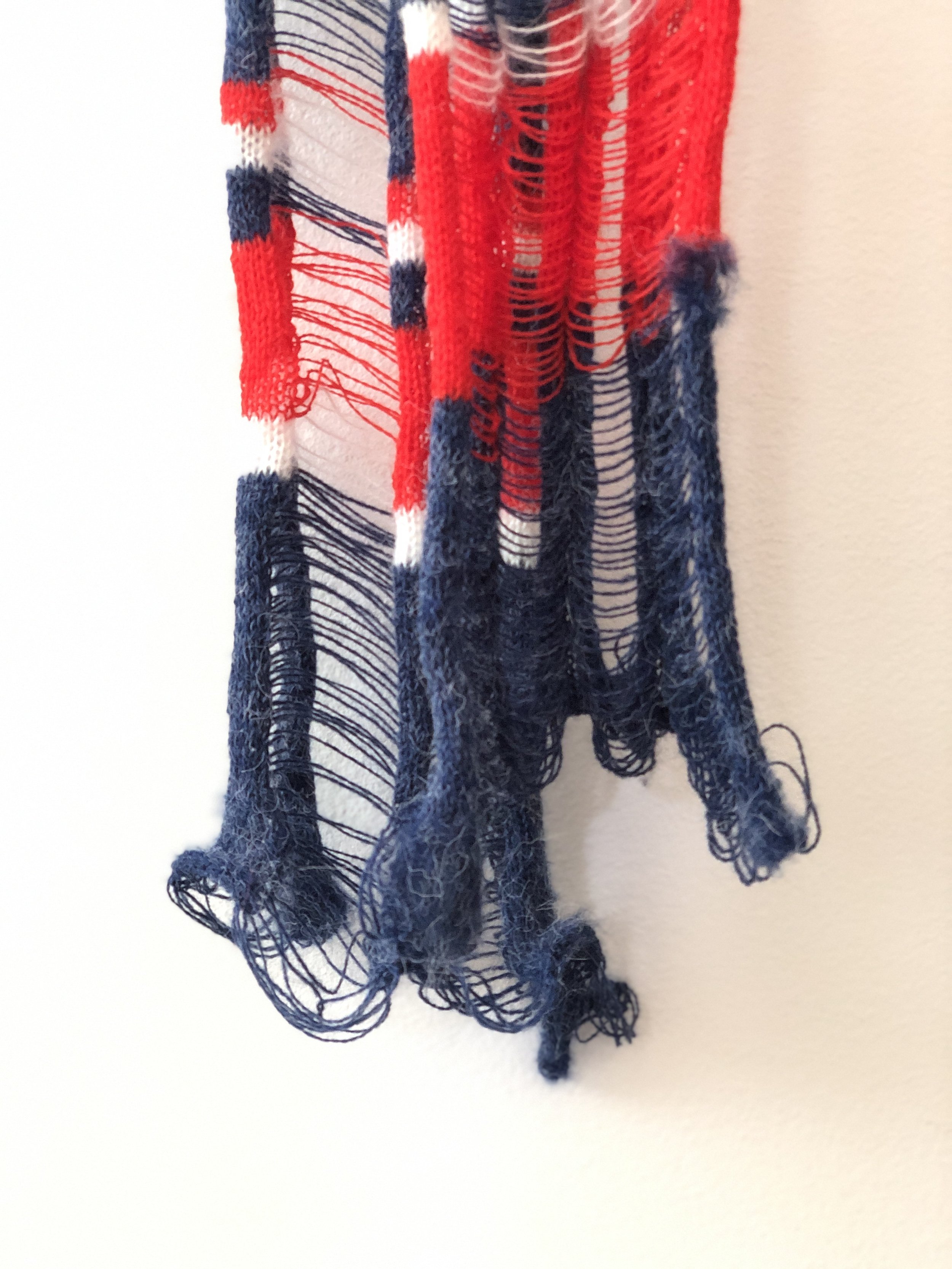
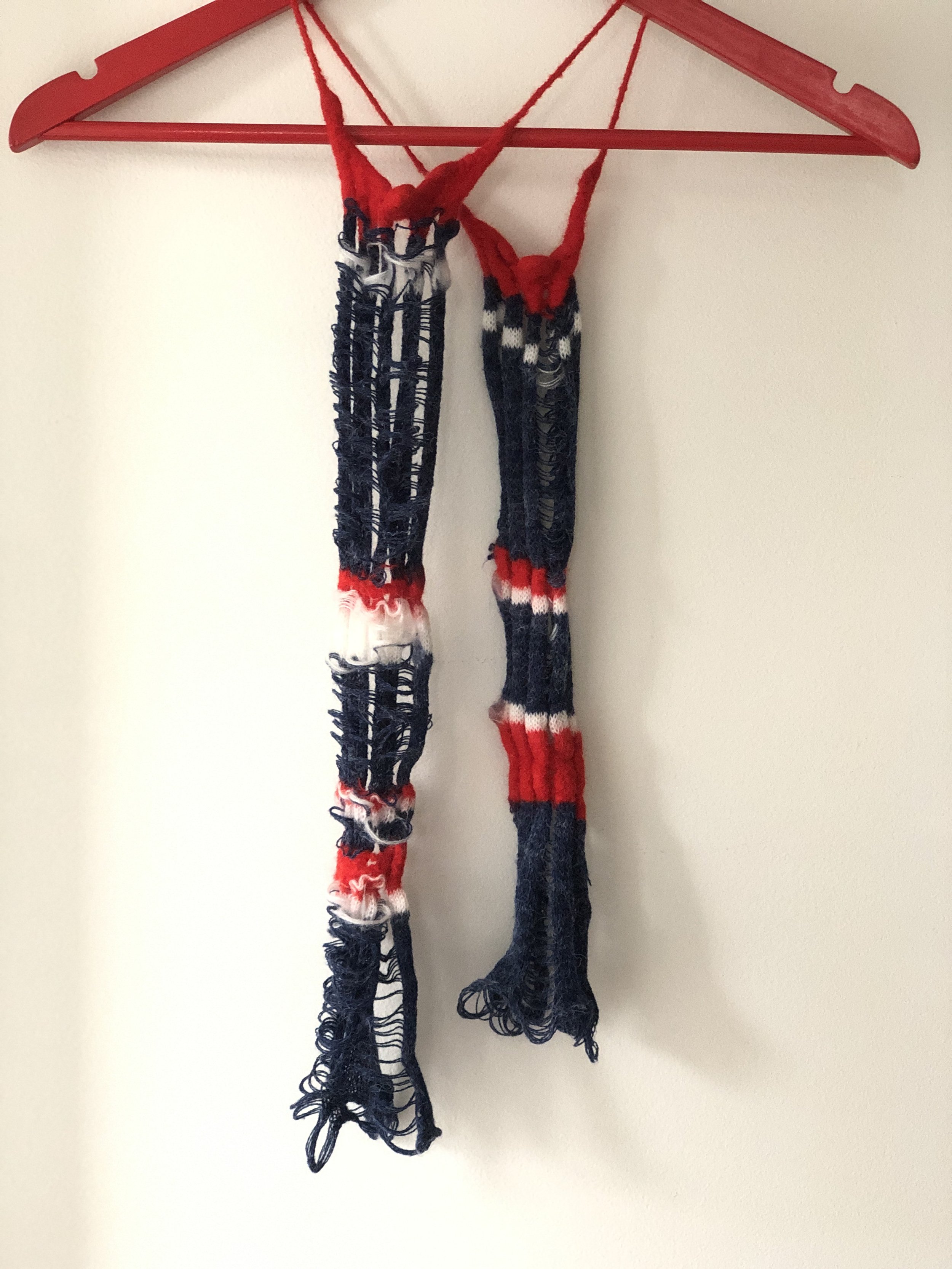
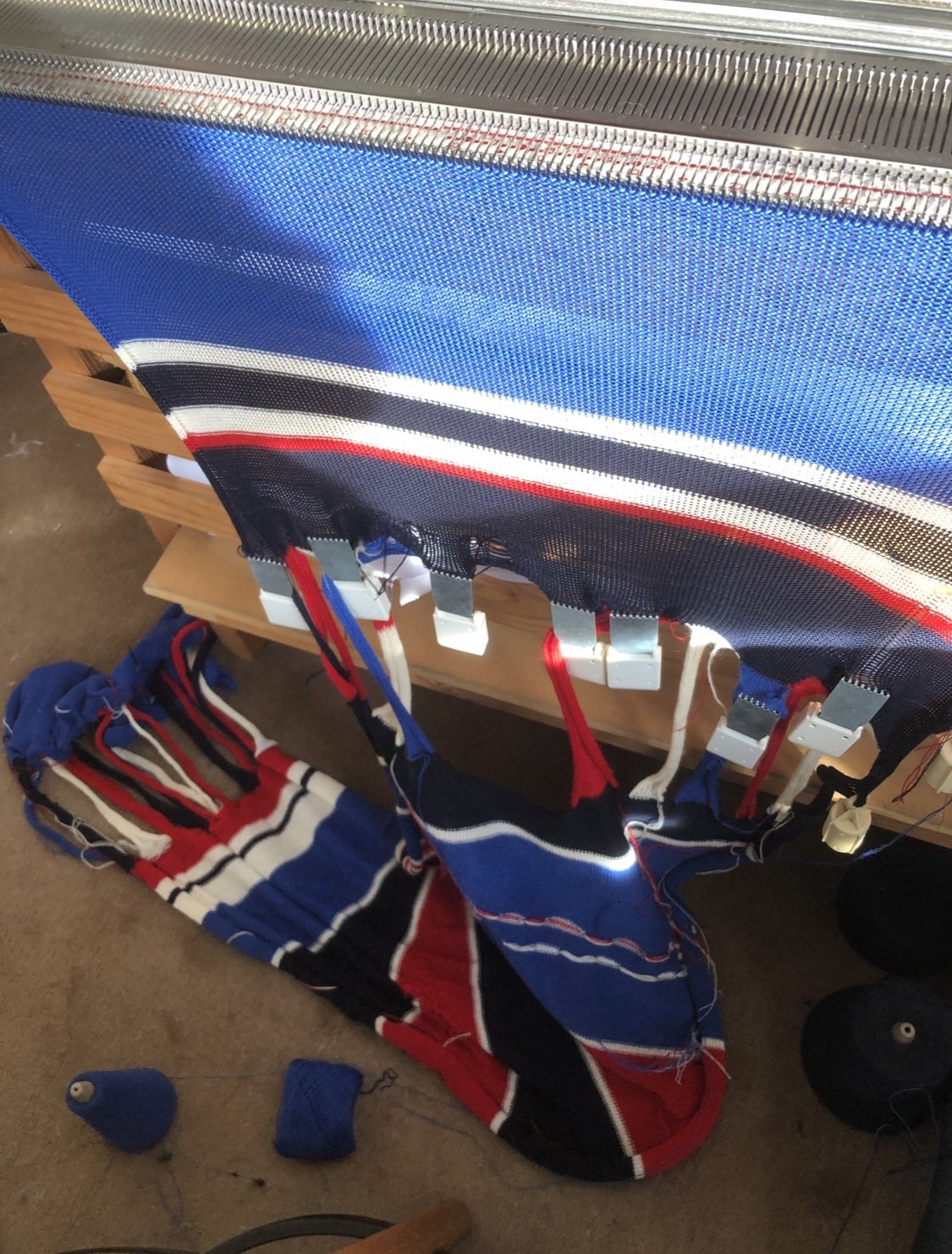
The development of Trauma centred on exploring instability, disruption and the tension between order and disarray. I worked with contrasting textile textures, broken structures and dissolving elements, allowing the materials to create a sense of fragmentation and visual tension.
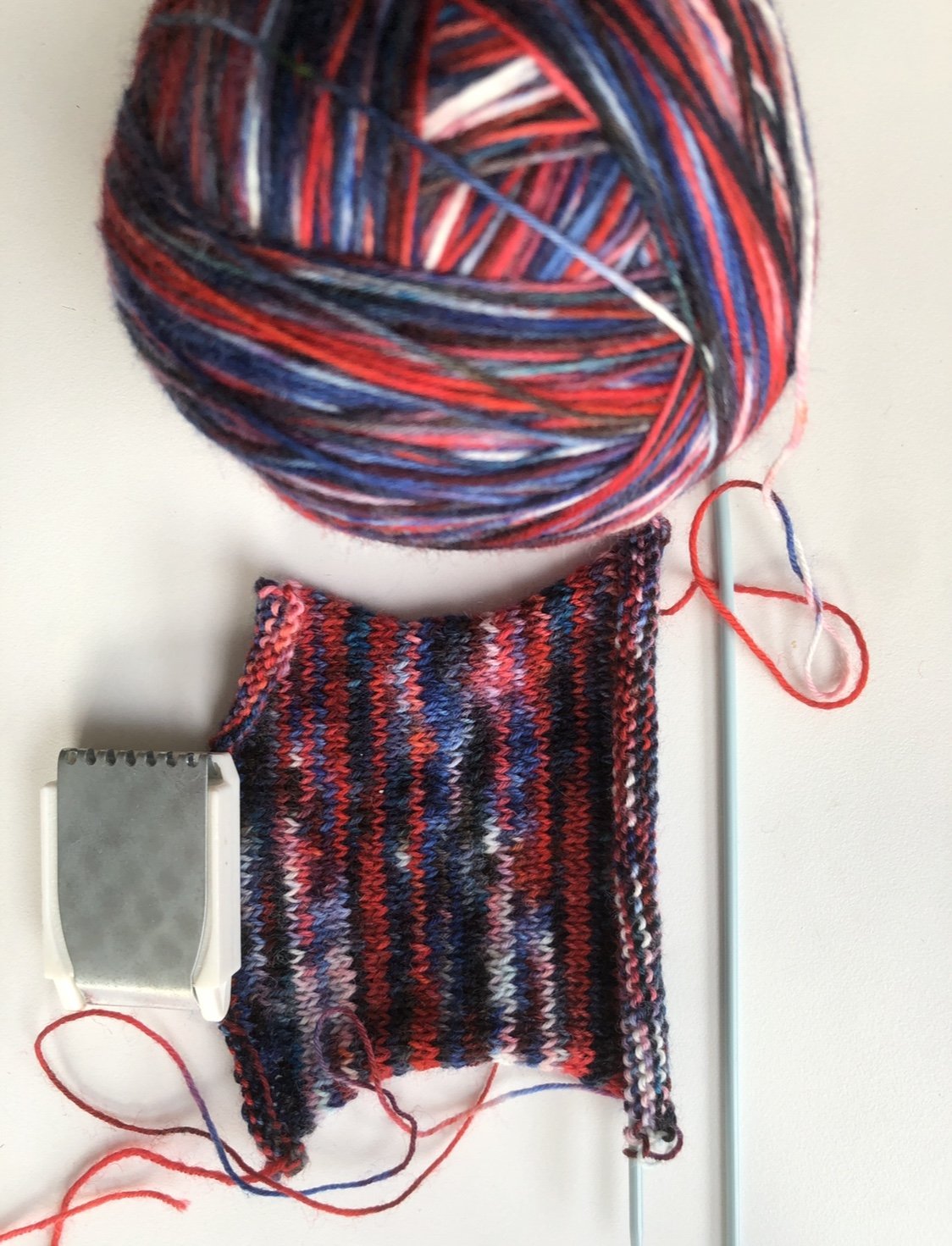
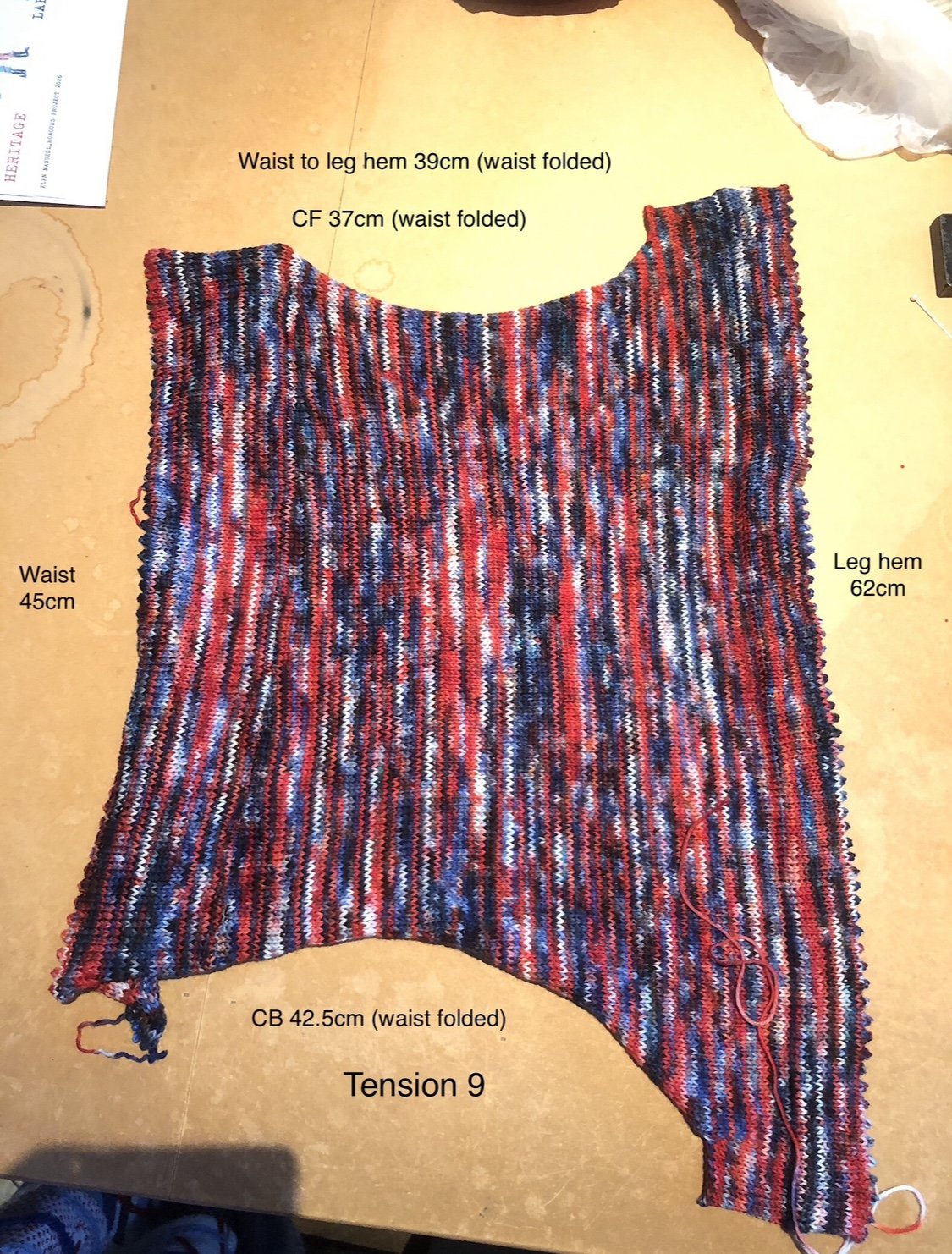
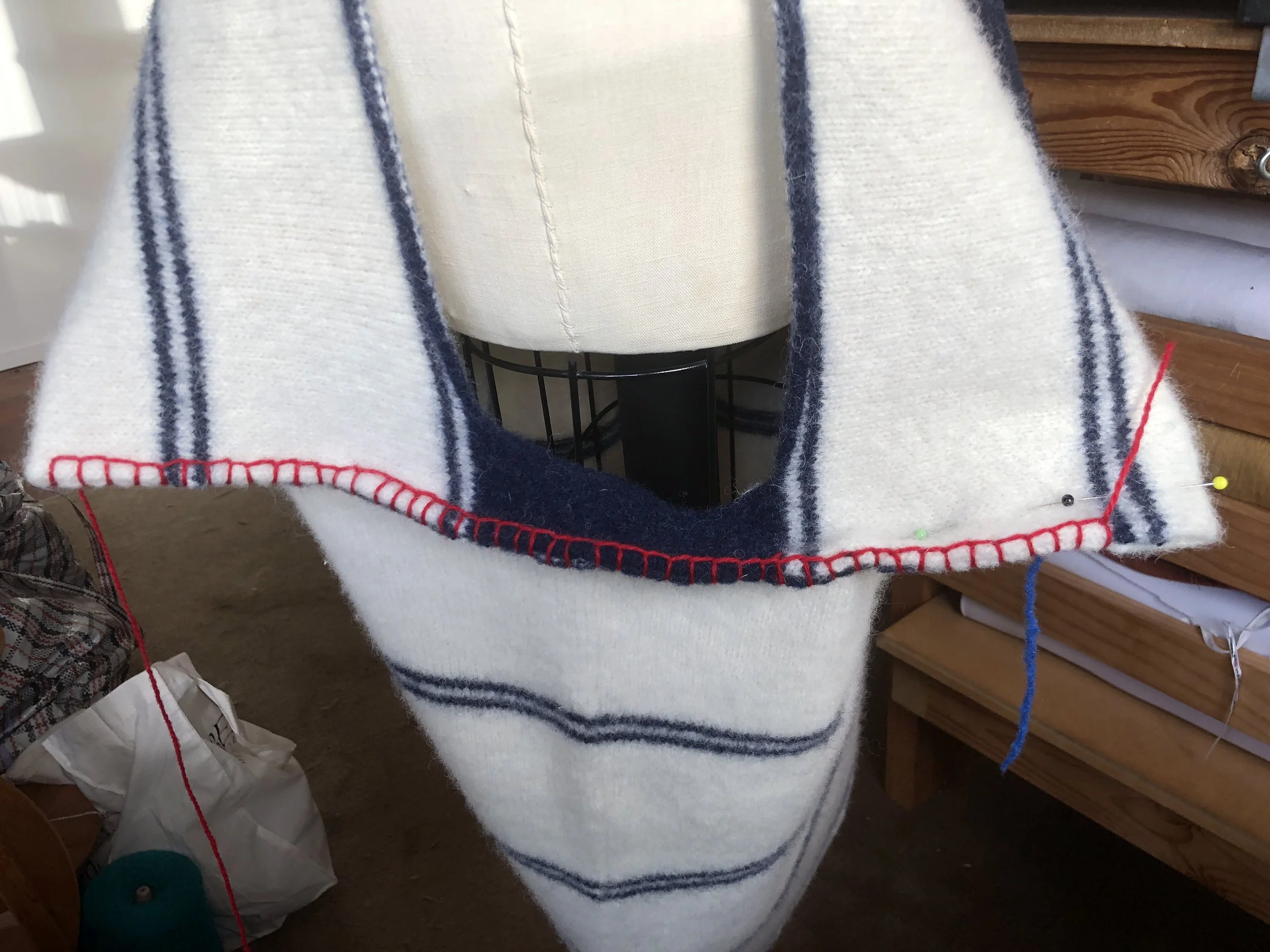
An important decision was to introduce a commercial pattern to construct the shorts, bringing a prescribed structure into a piece that was otherwise developed intuitively. This contrast between following an established pattern and responding freely through making became a way of exploring control and personal agency.
Through the combination and manipulation of these elements, the textile gradually developed into a garment that holds opposing qualities of containment and disruption.
LOOK 2 — MEANING
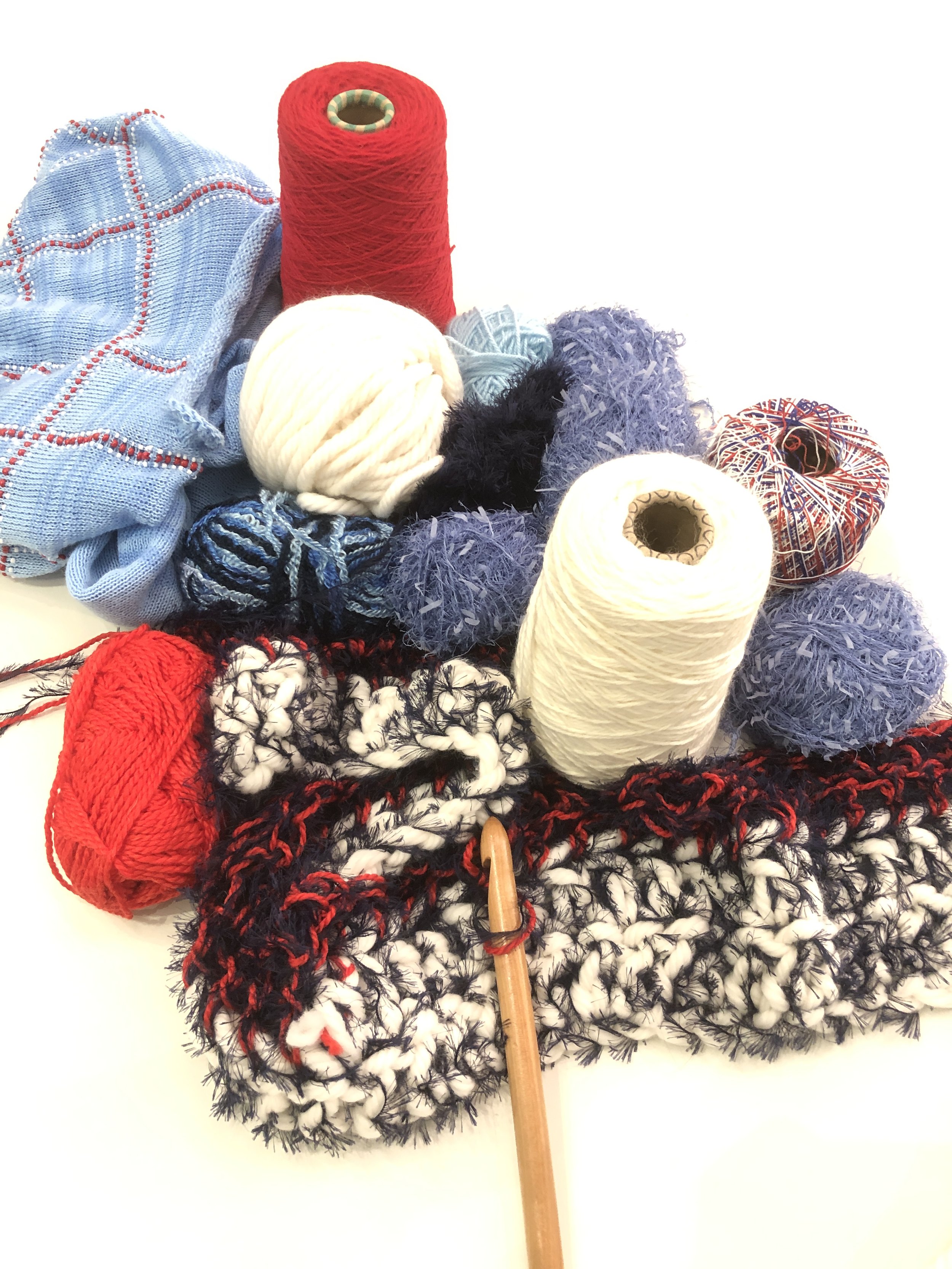
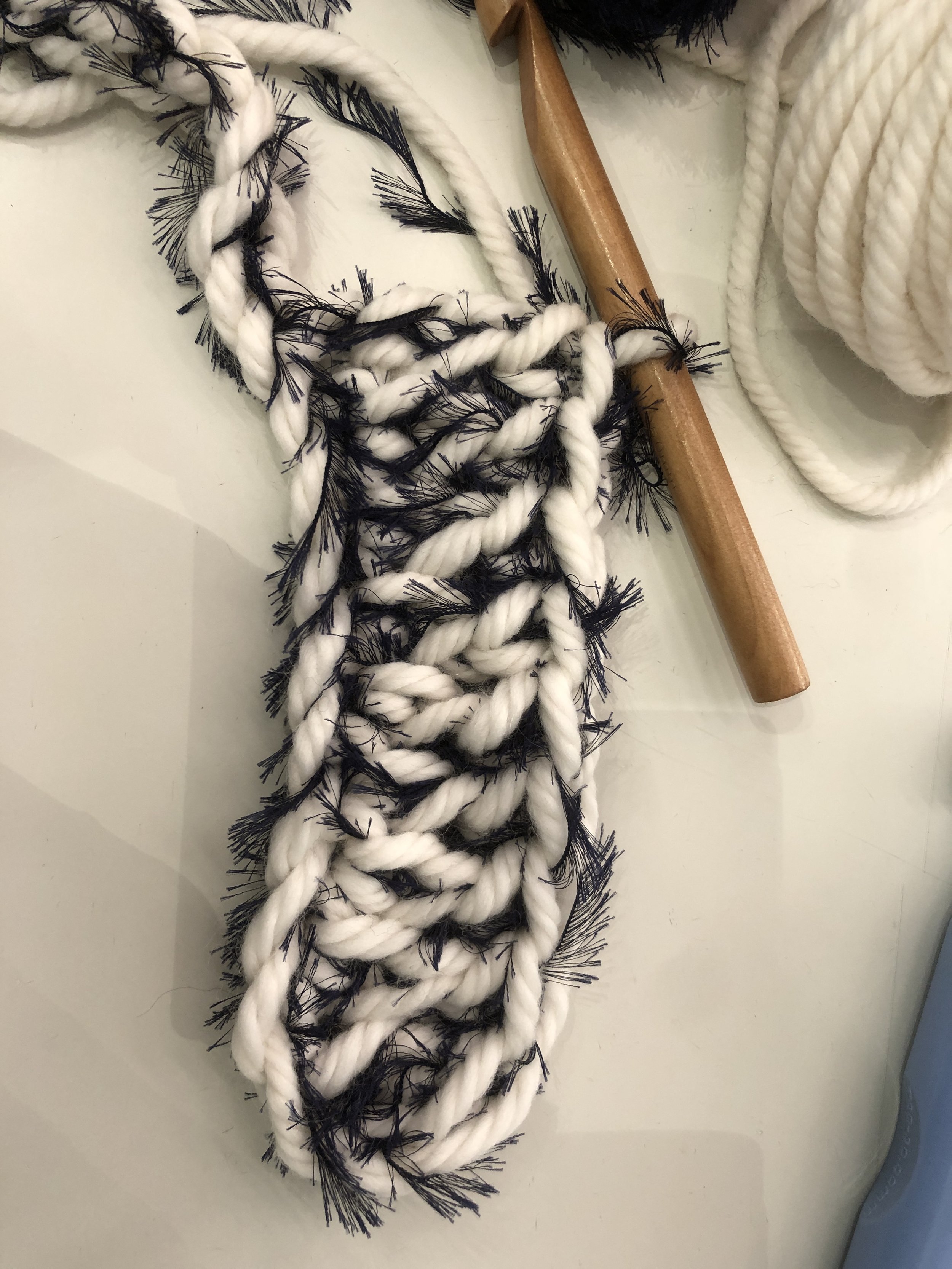
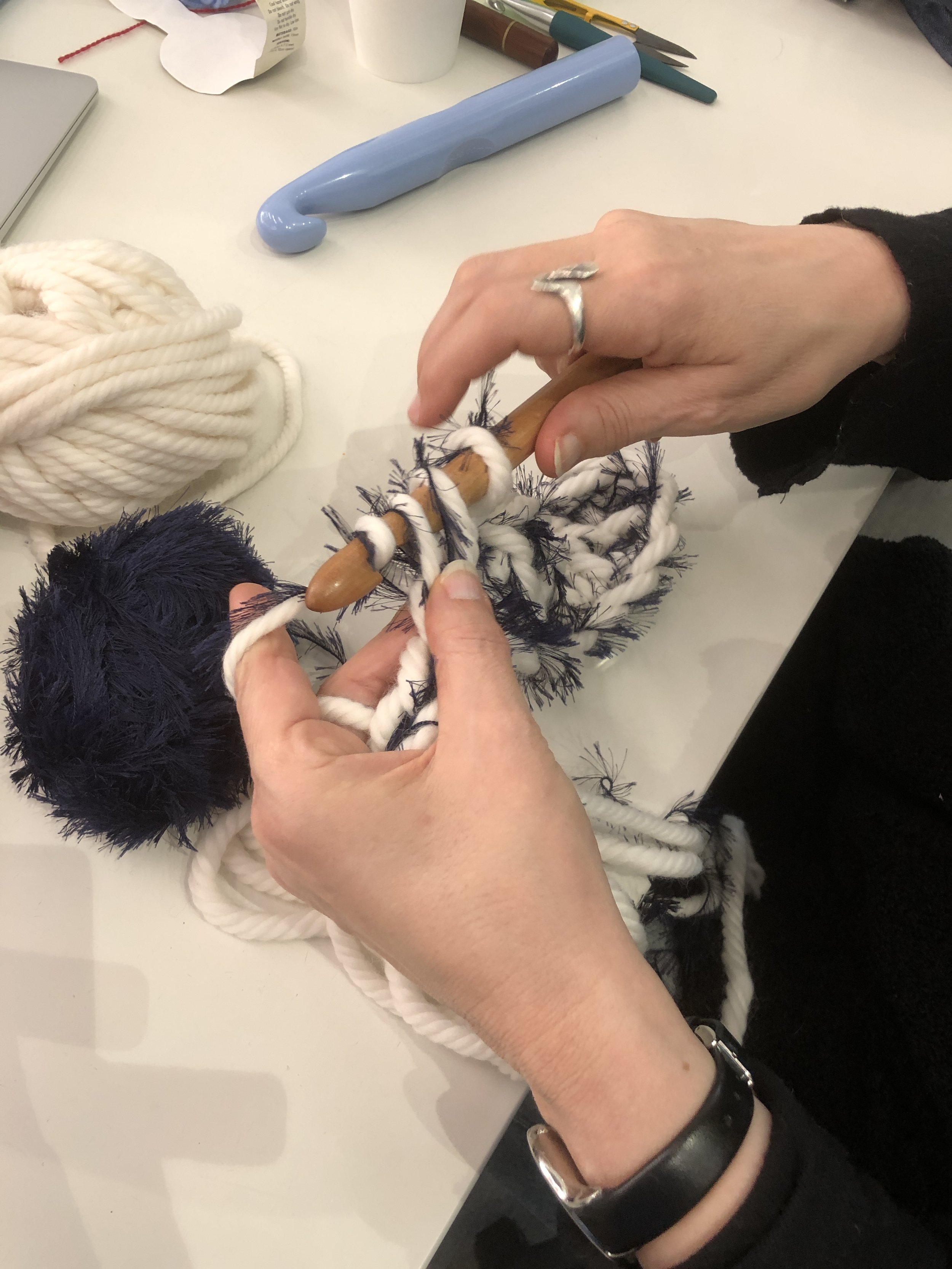
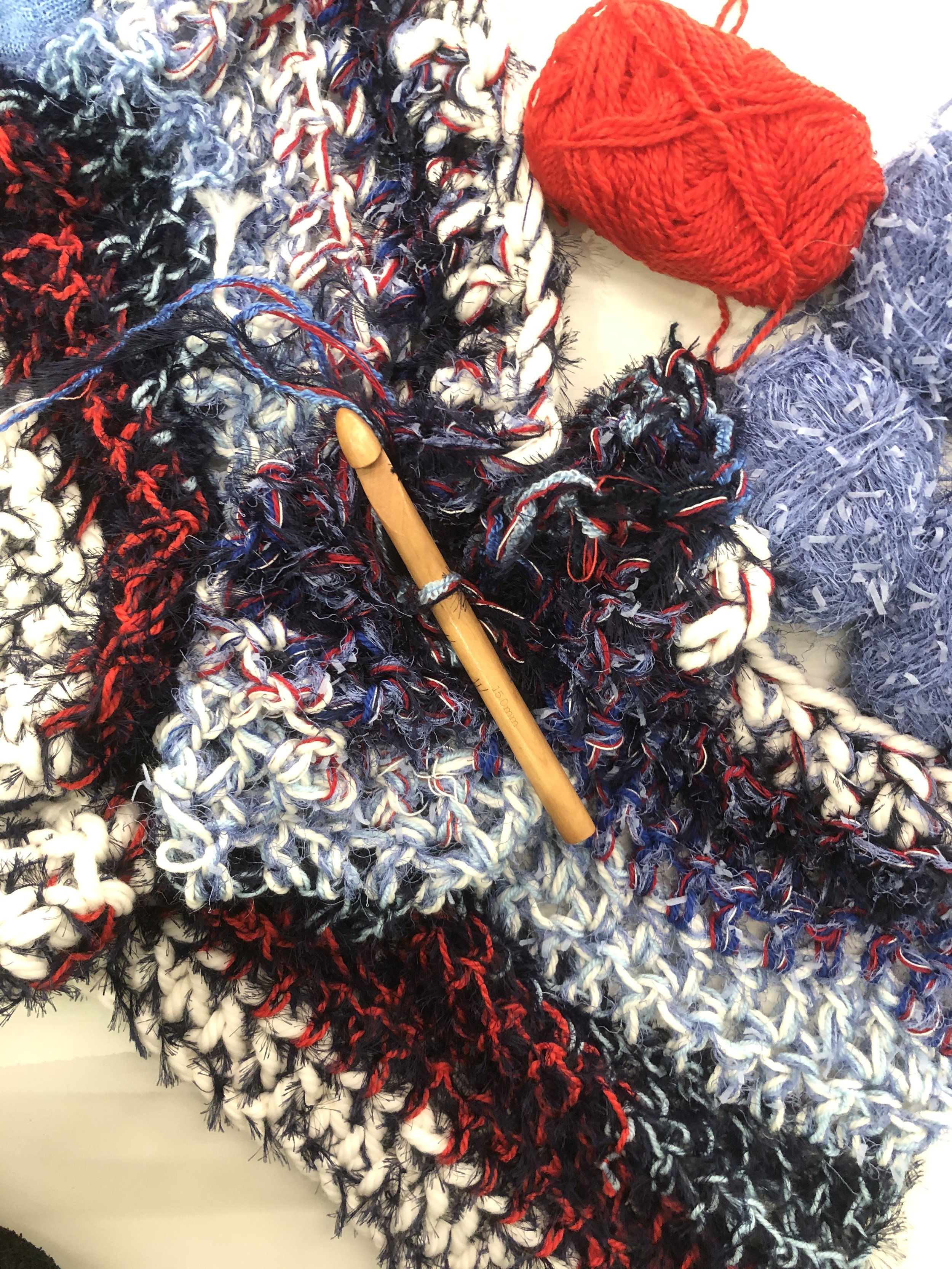
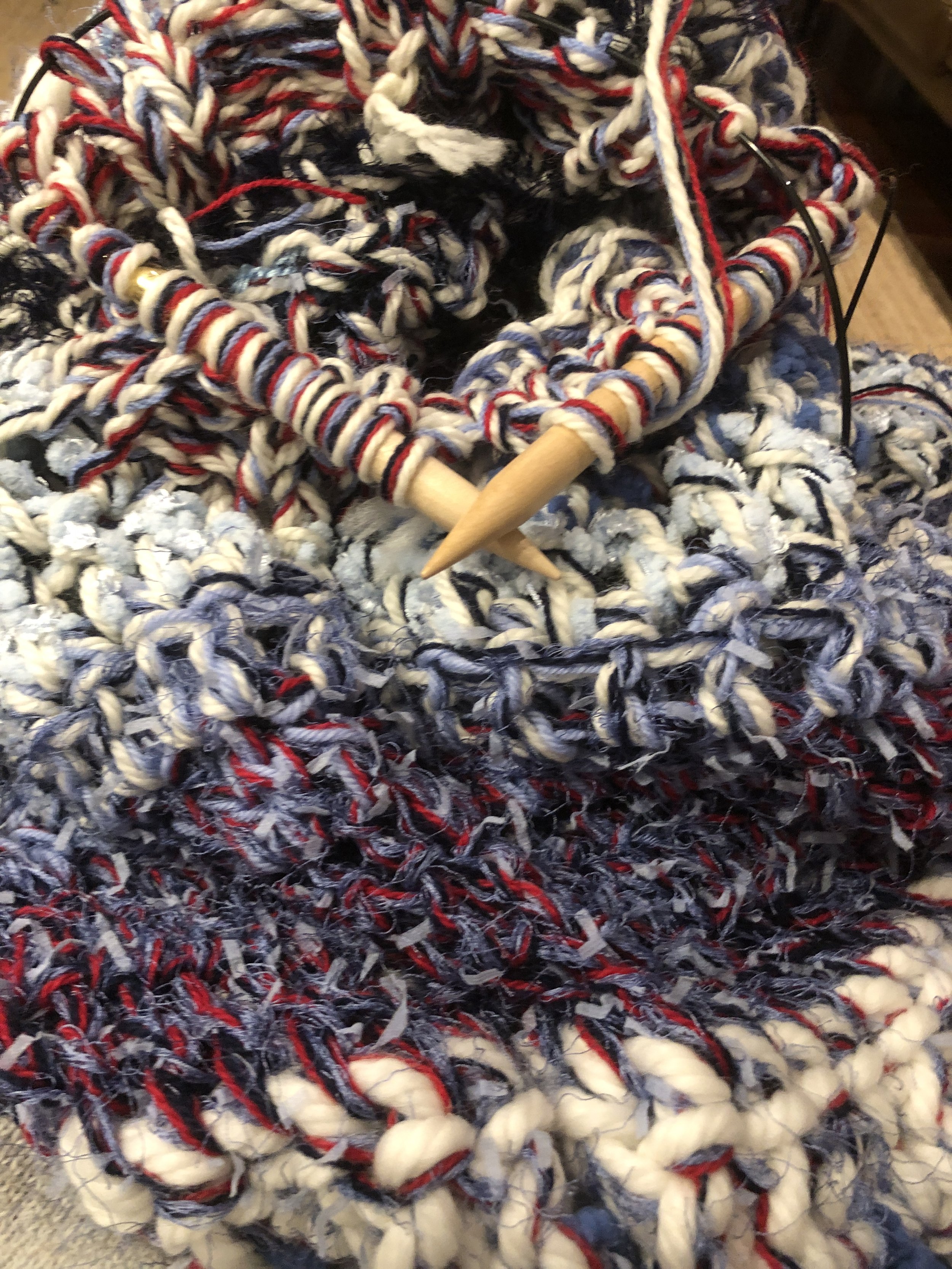
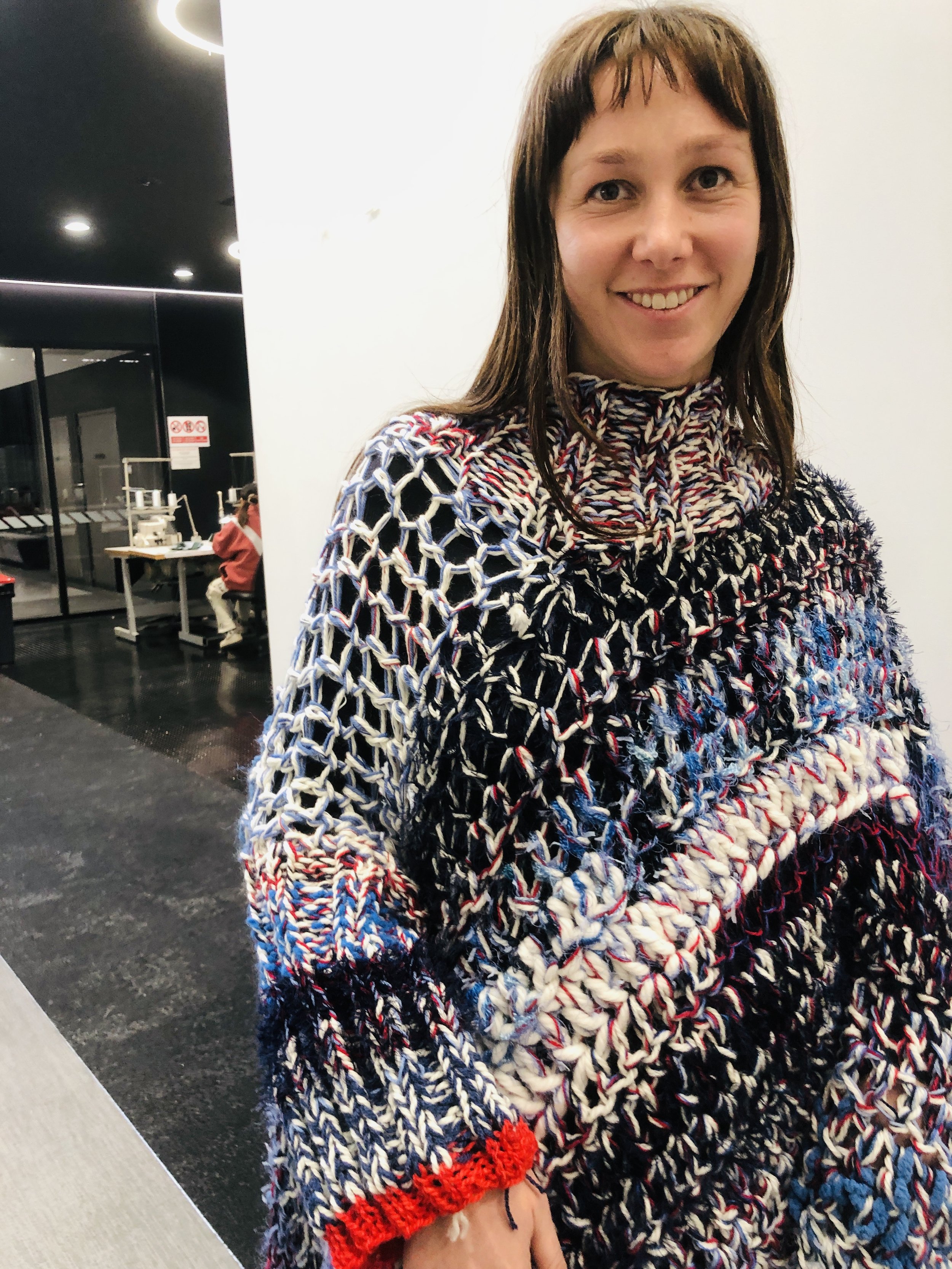
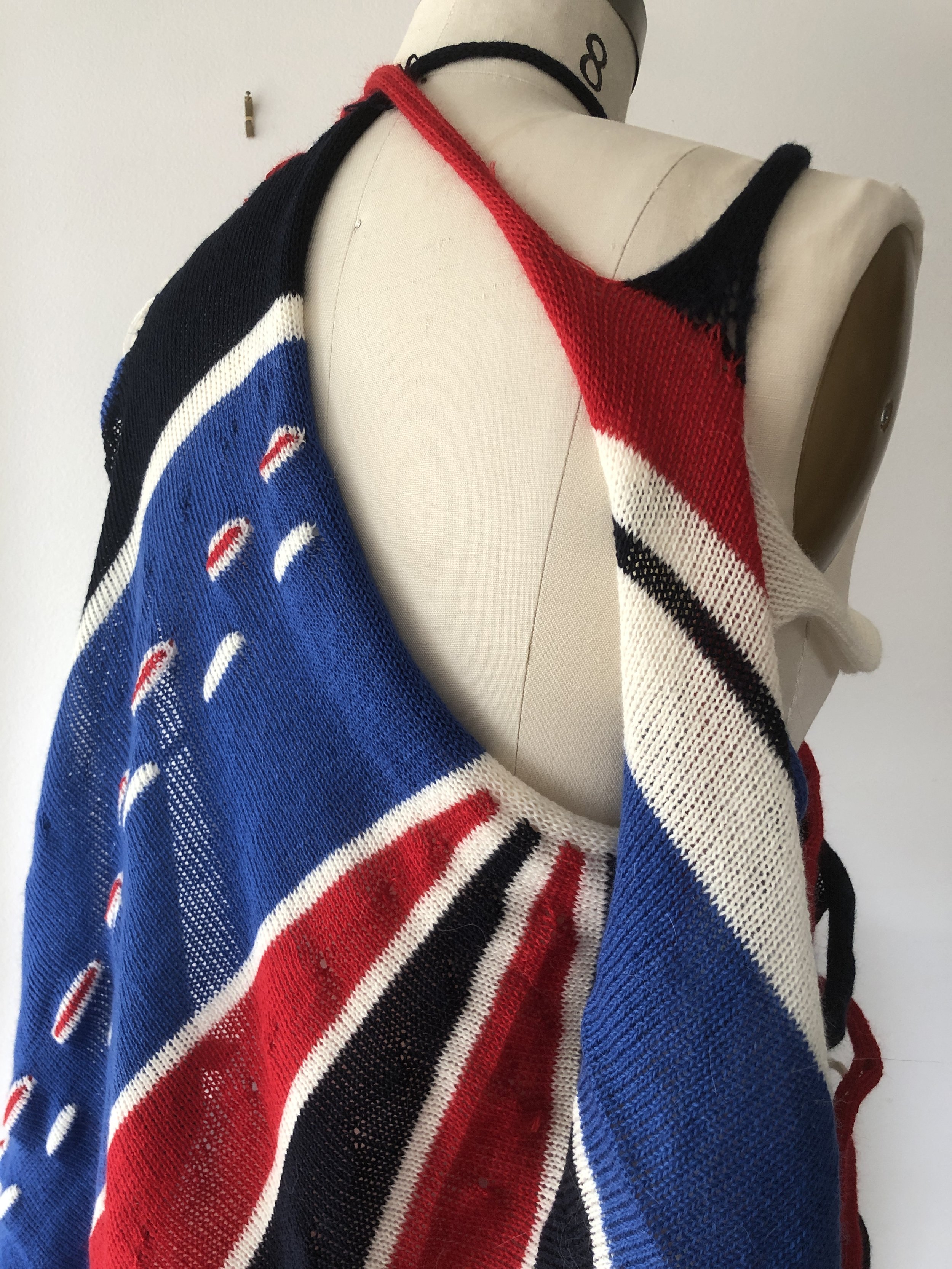
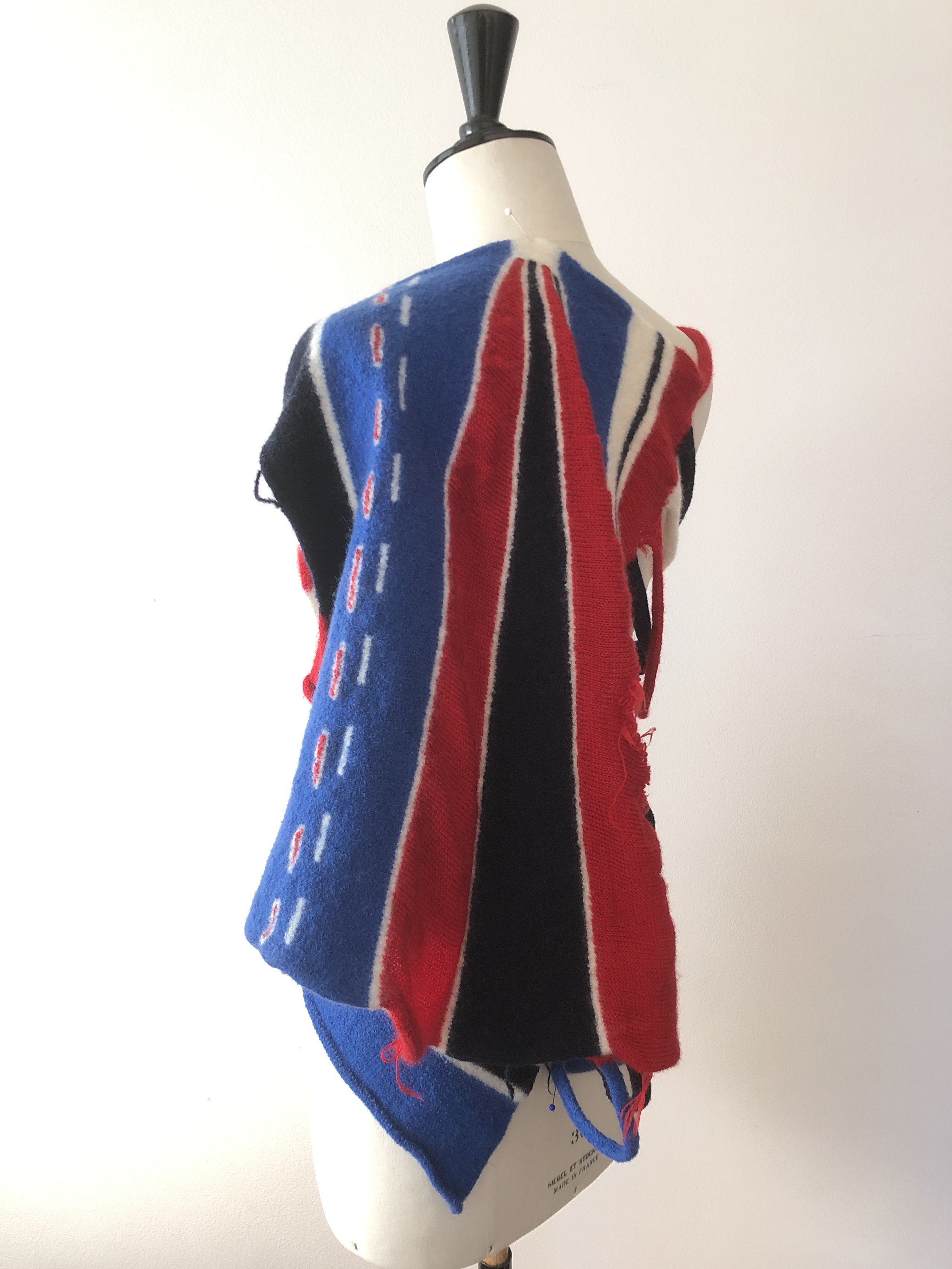
Meaning developed through the decisions I made as I worked, rather than from a predetermined plan. I began with contrasting textures, colours and scales, allowing the form of the piece to emerge gradually through the process of making.
As the textile developed, each choice influenced what came next. I responded to the materials and their possibilities, combining elements and adjusting the composition as the work evolved.
This piece reflects my interest in how meaning can emerge through experience and action. The finished garment became an expression not only of the materials I brought together, but of the decisions and discoveries made along the way.
LOOK 3 — CALM
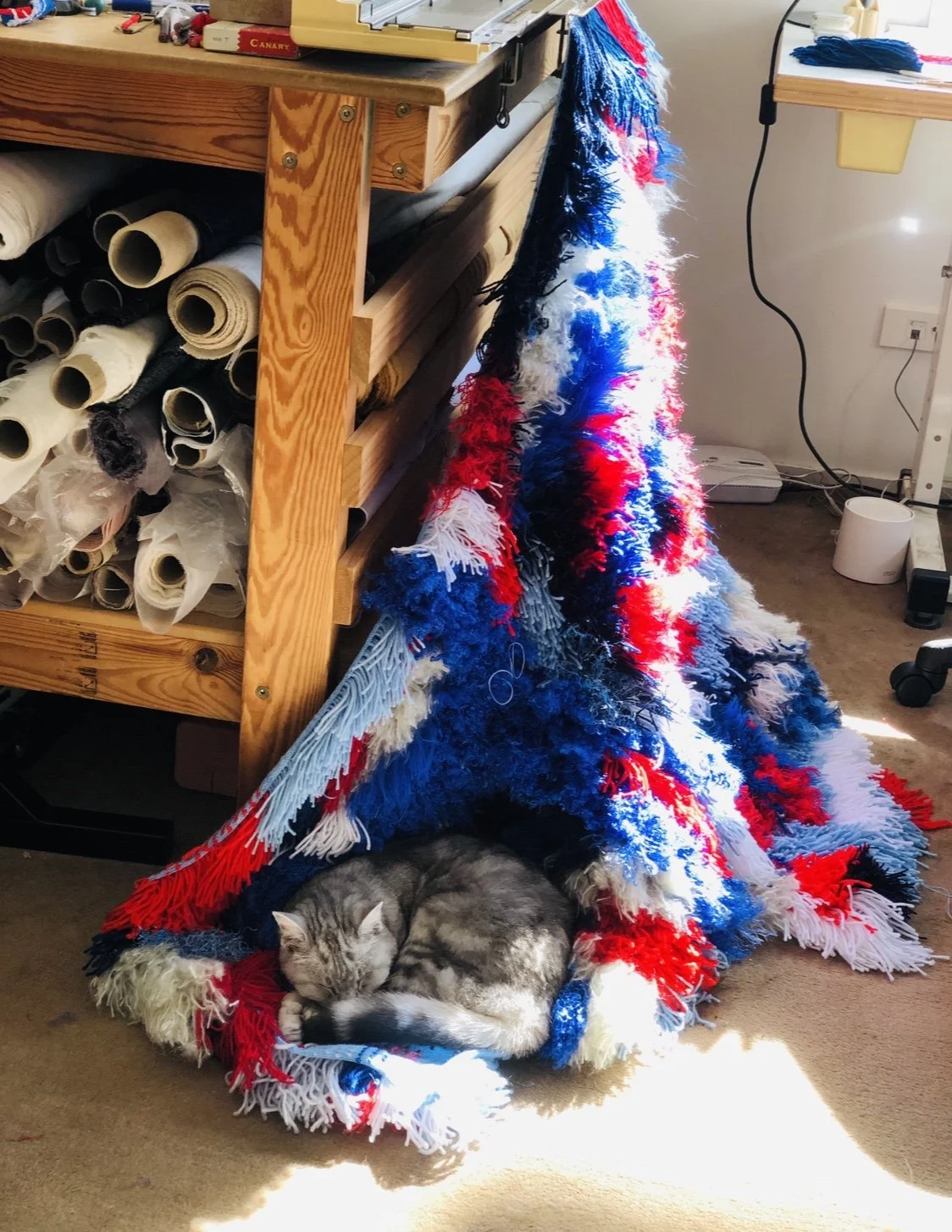
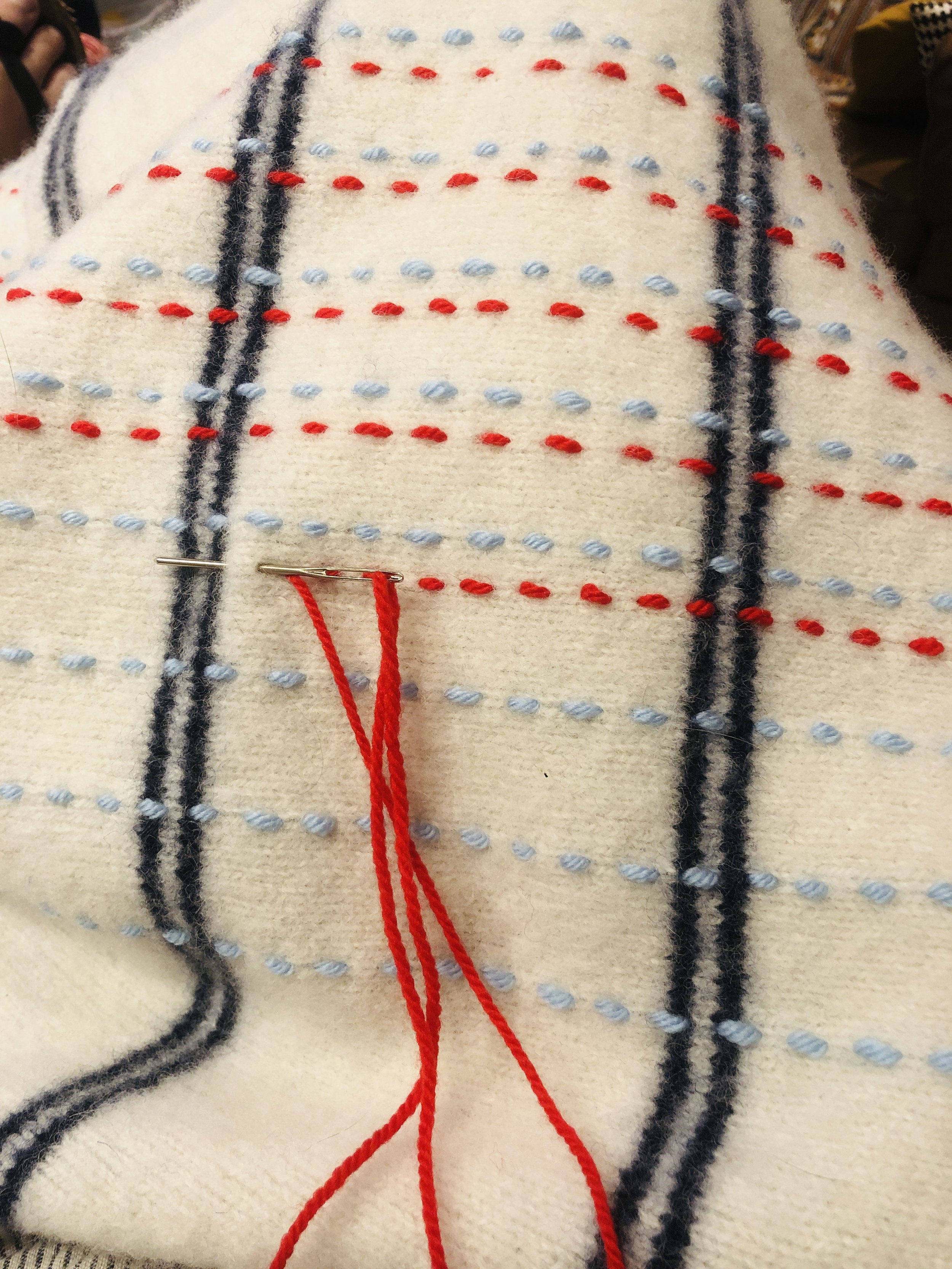
Calm emerged through the quieter, more considered aspects of making. I became increasingly attentive to the materials, observing how different textures, structures and forms could be brought together to create a sense of balance and stillness.
Rather than rushing towards a predetermined outcome, I allowed the work to develop gradually, responding to the materials and making adjustments as the textile evolved. The process encouraged me to pause, observe and concentrate on what was happening in front of me.
For me, this Look reflects the moments of calm that textile practice can create. Through sustained attention and engagement with the material, making offered a space to slow down, settle my thoughts and find a sense of stillness.
LOOK 4 — AGENCY
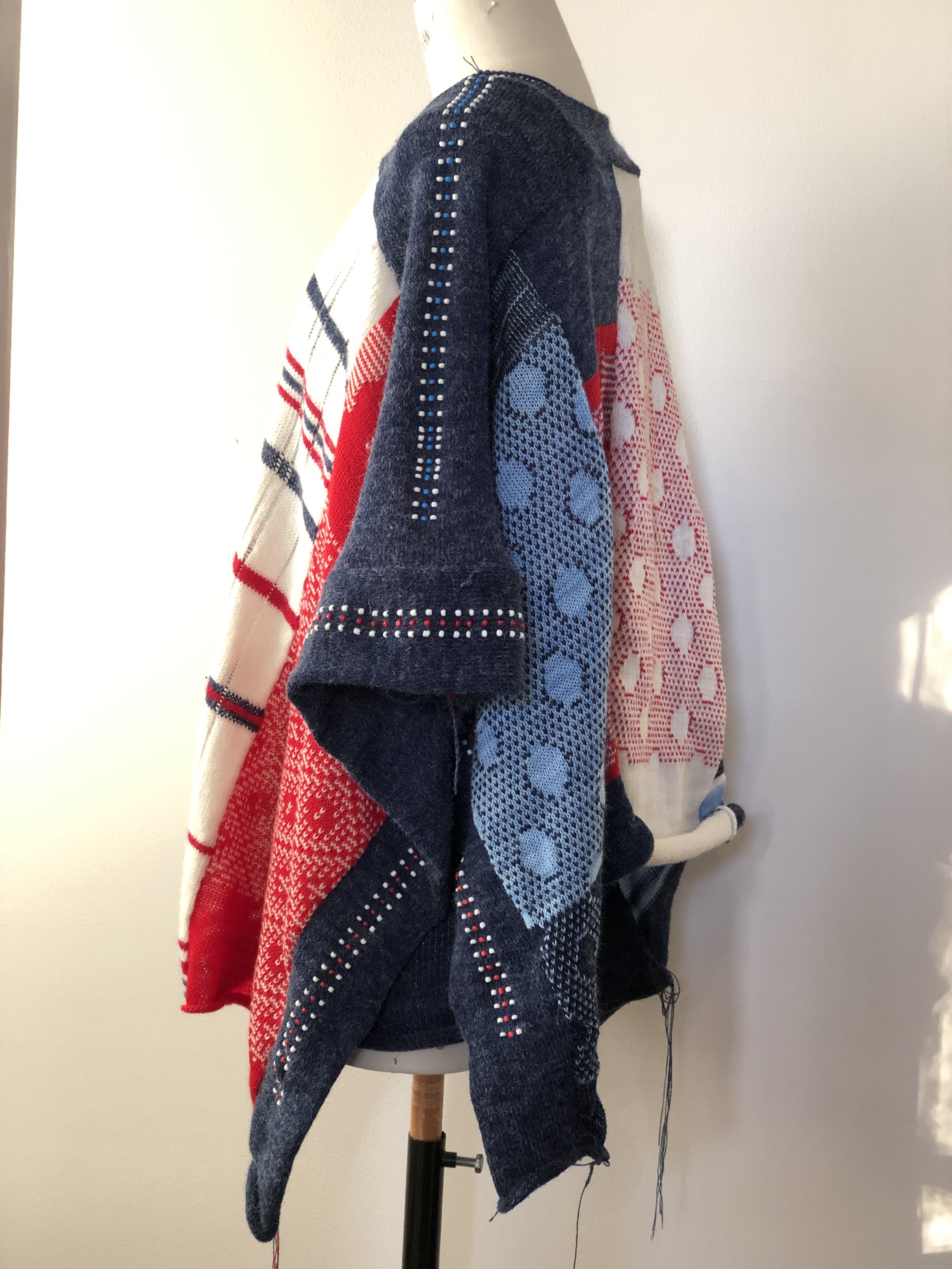
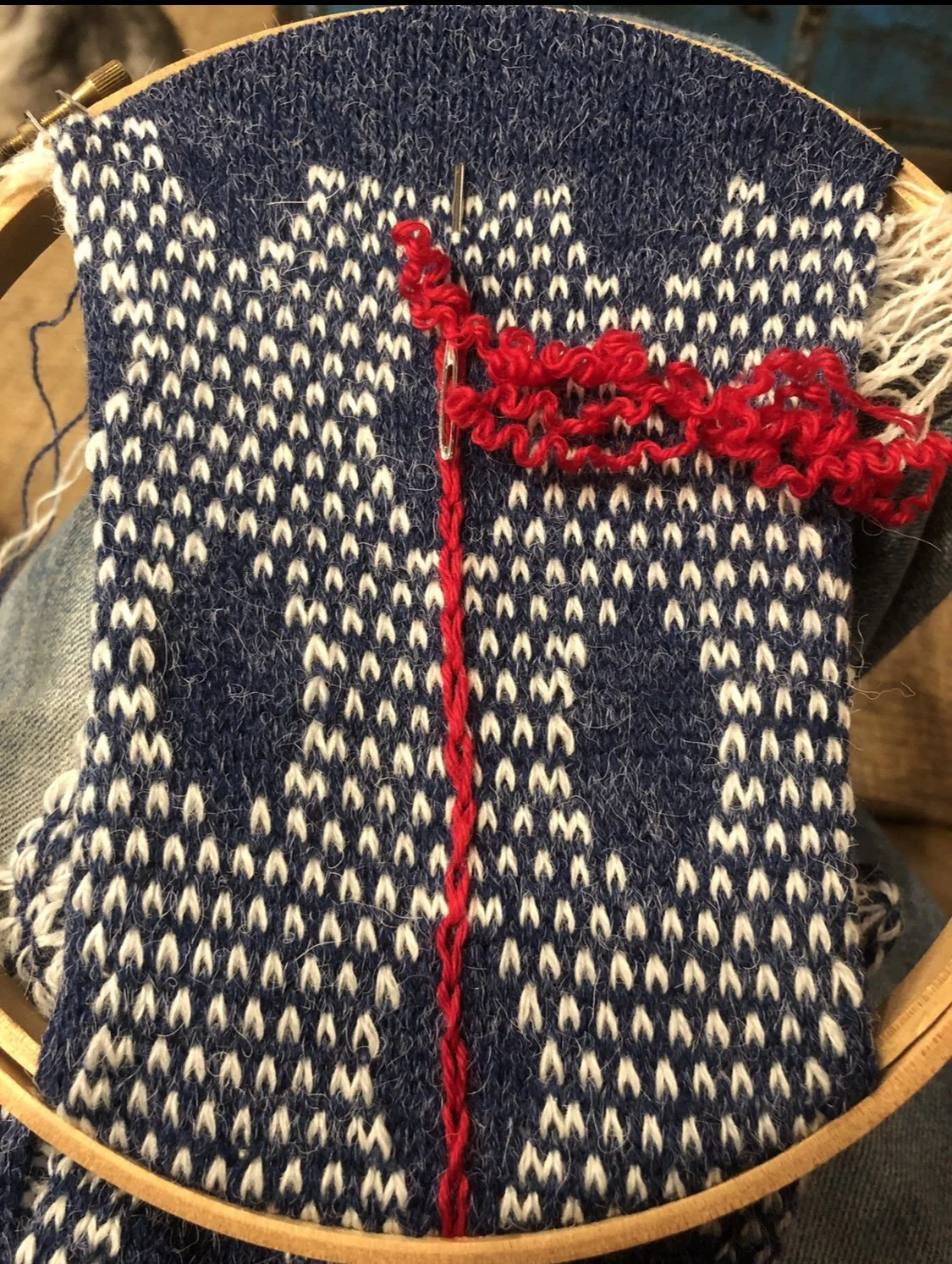
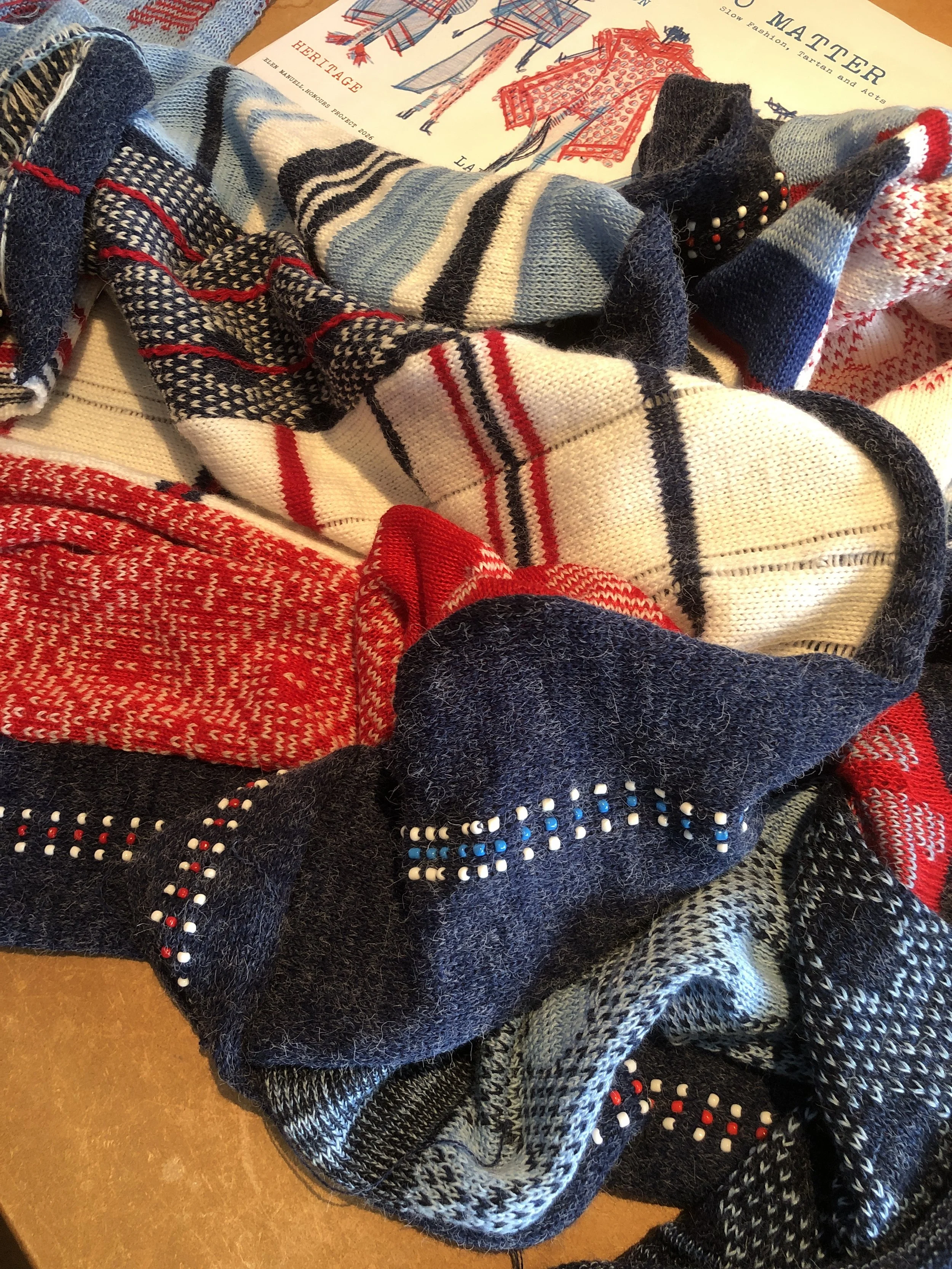
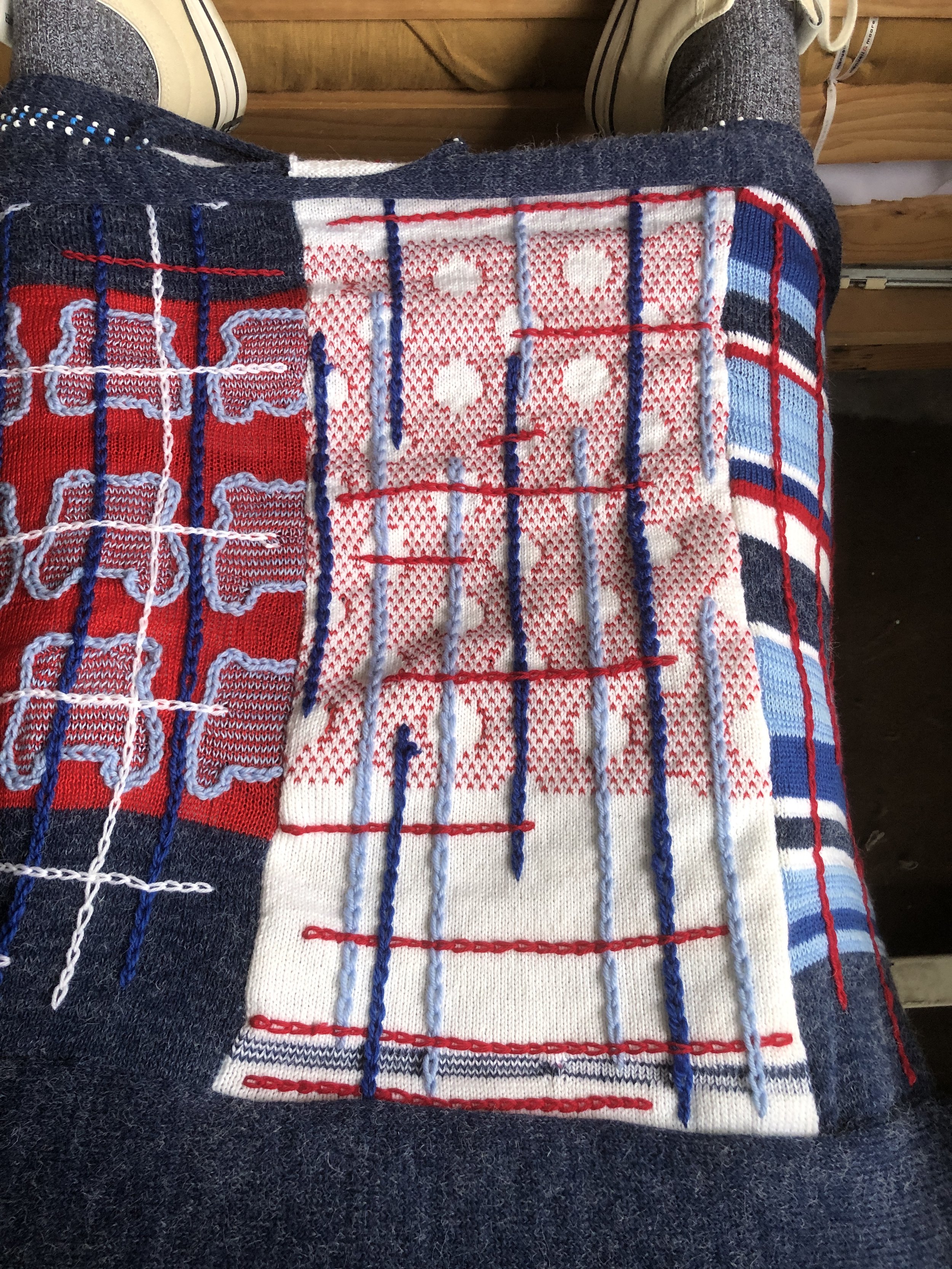
Agency explores the sense of autonomy I experienced through making and the ability to exercise choice and direction within the creative process. As I worked, I made decisions about materials, techniques, structure and form, gradually shaping the textile through my own responses and intentions.
The process allowed me to take control of individual decisions, experiment with possibilities and determine the direction of the work. Rather than following a prescribed outcome, I was able to make choices and adapt the work according to what I wanted to achieve.
For me, this Look represents the experience of reclaiming agency through textile practice. Making provided an opportunity to exercise control on my own terms, reinforcing a sense of independence and self-determination.
LOOK 5 — LIBERATION
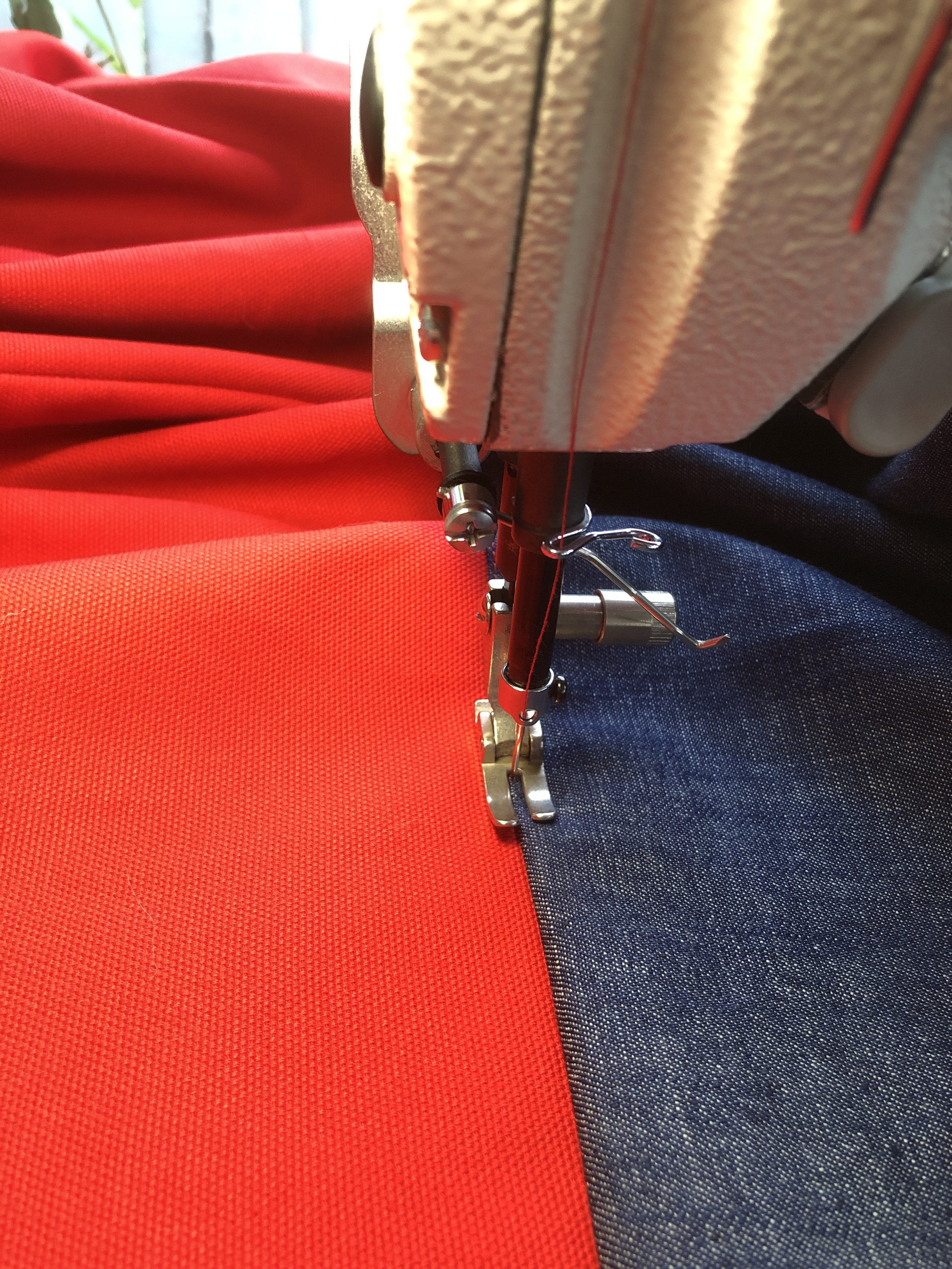
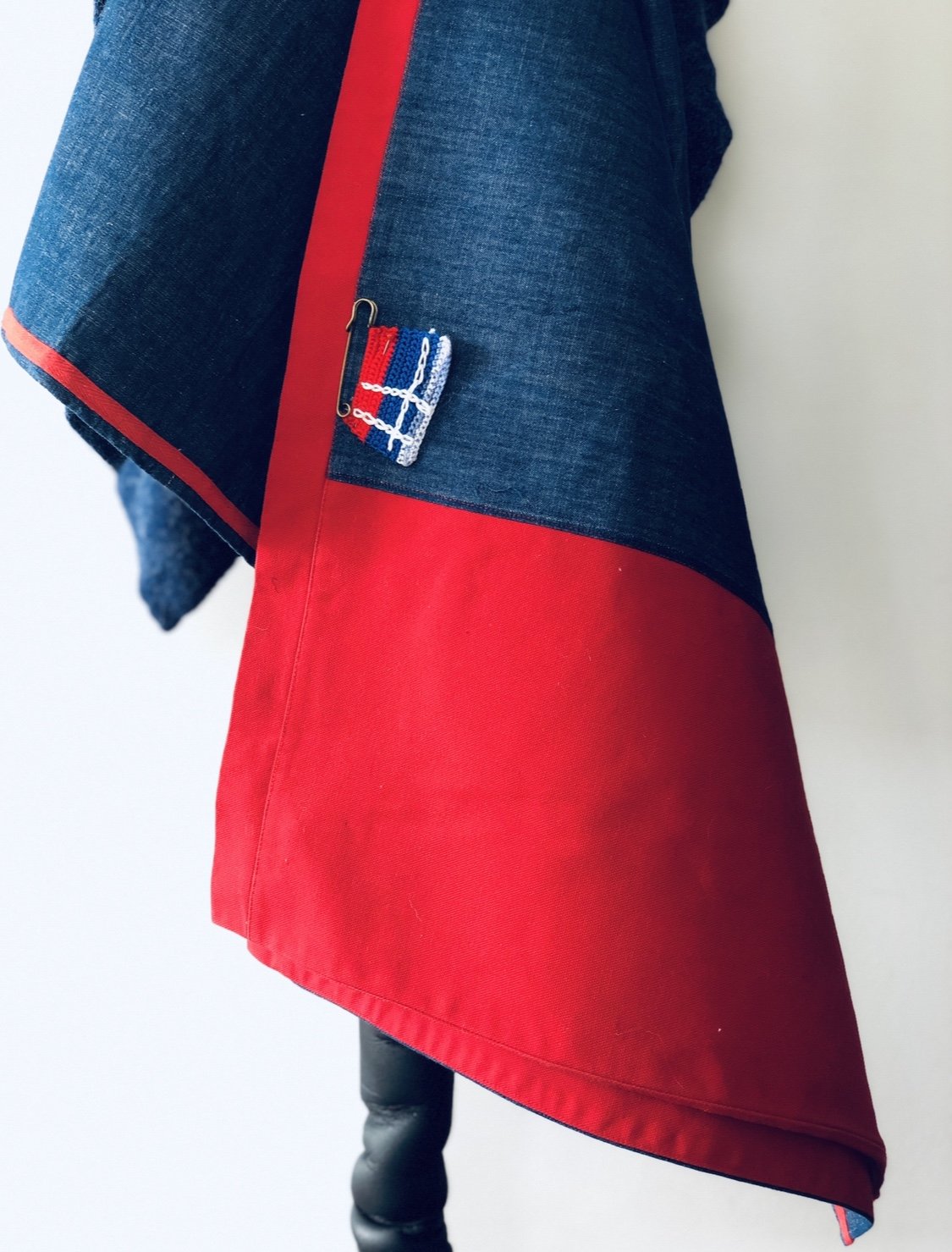
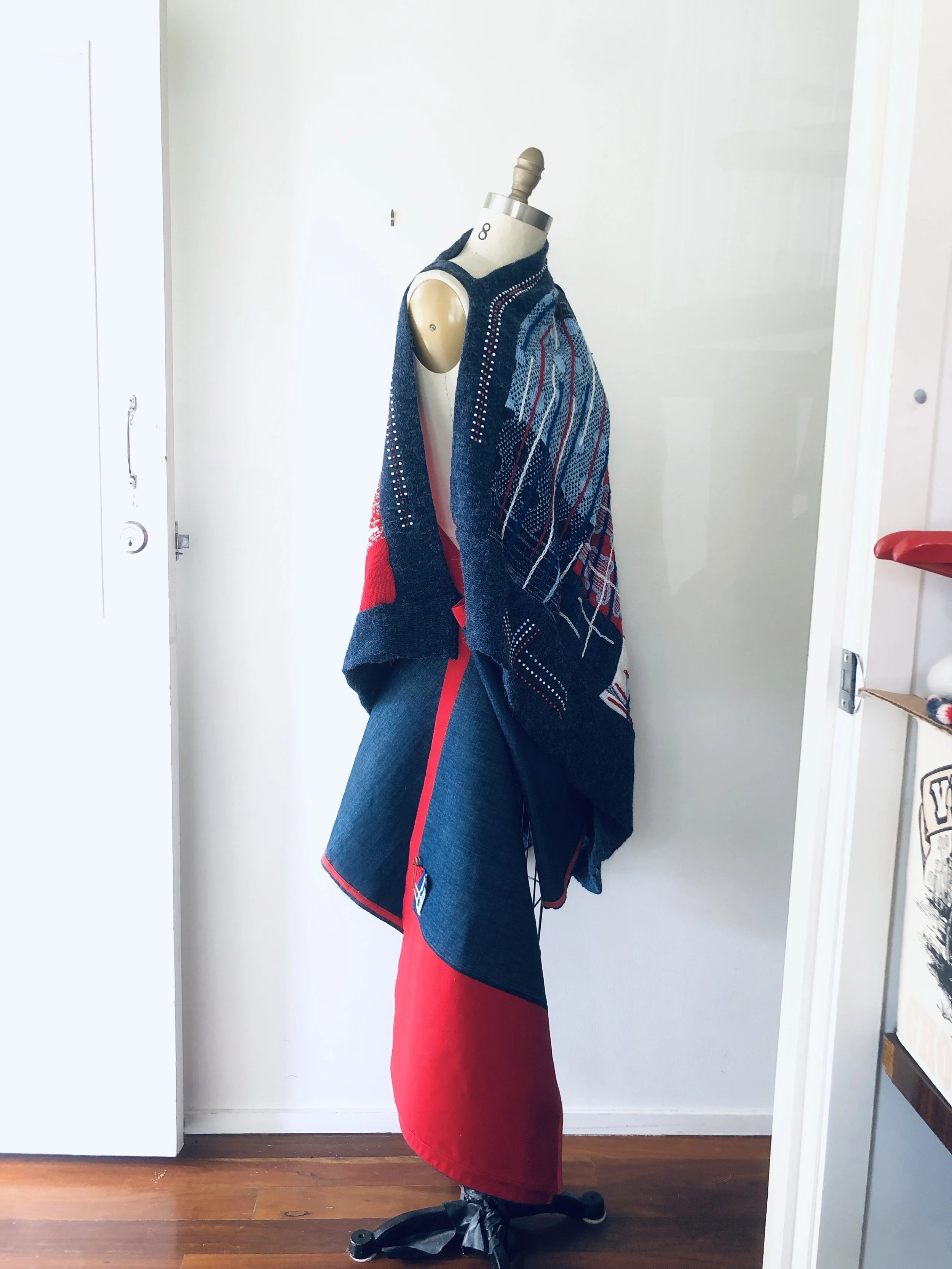
Liberation explores the freedom I experienced through the act of making. During periods when my thoughts were consumed by the rumination associated with domestic violence, textile practice offered space away from those thoughts. The physical engagement of working with materials allowed me to redirect my attention towards something tangible and within my control.
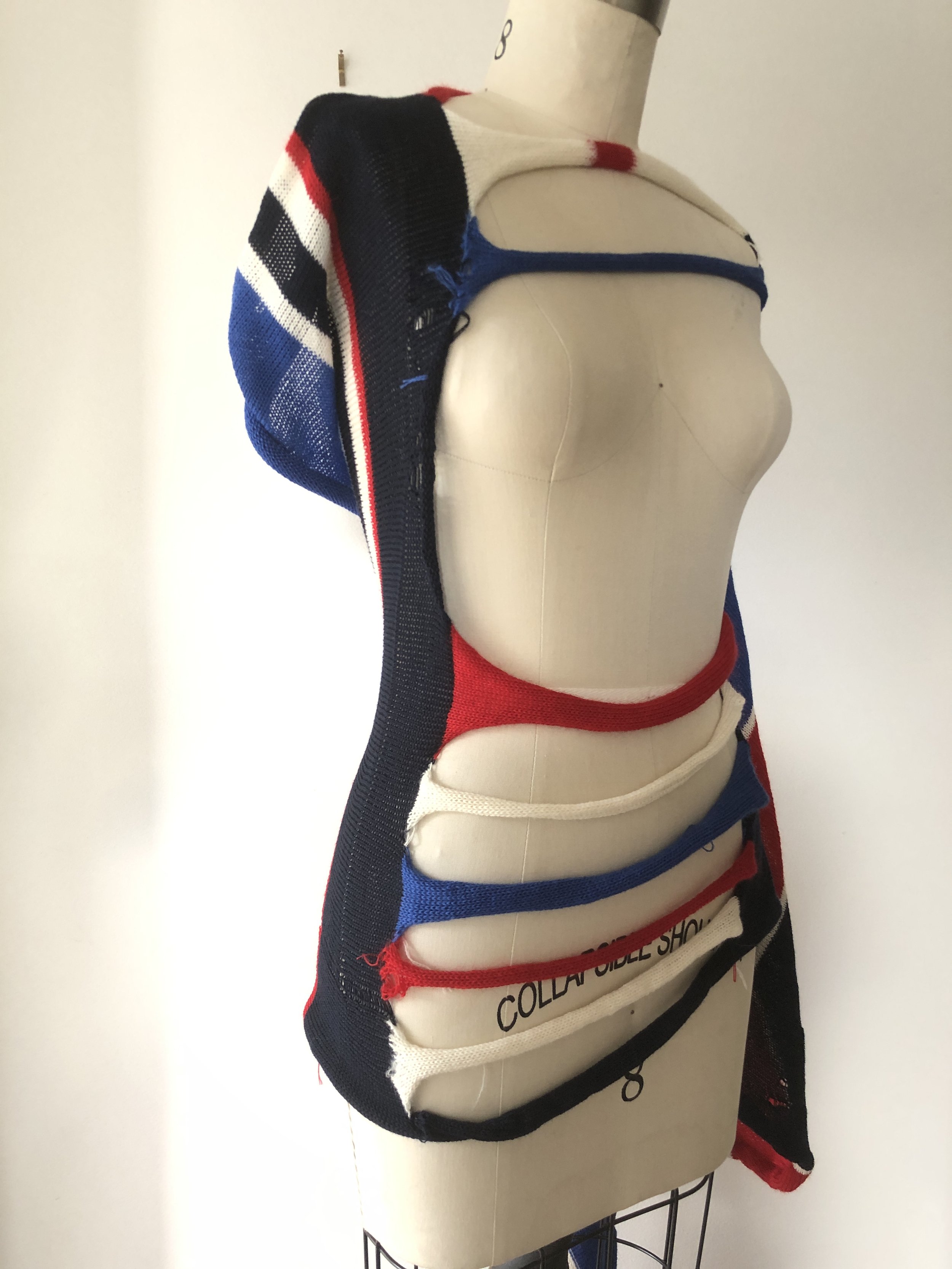
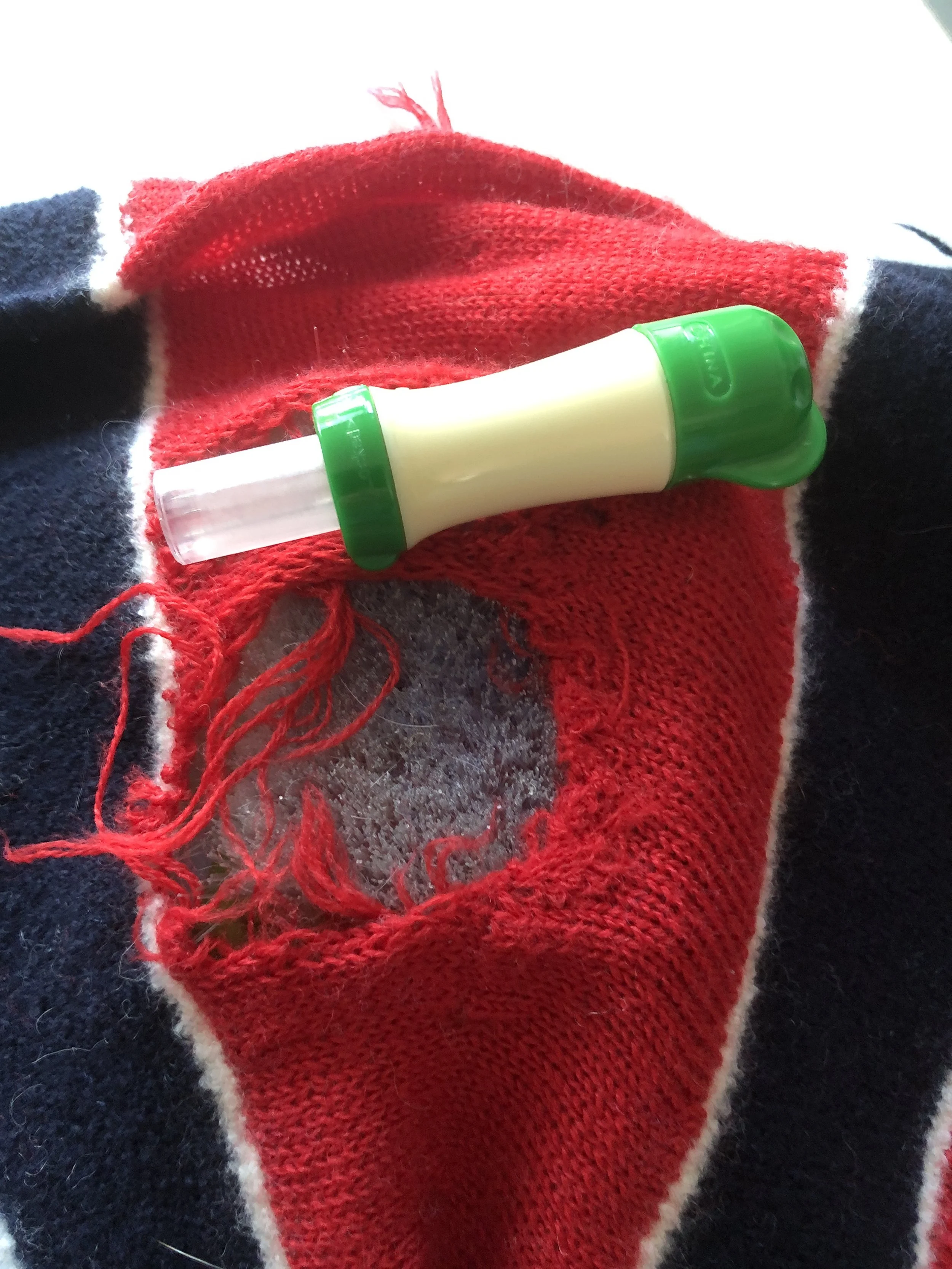
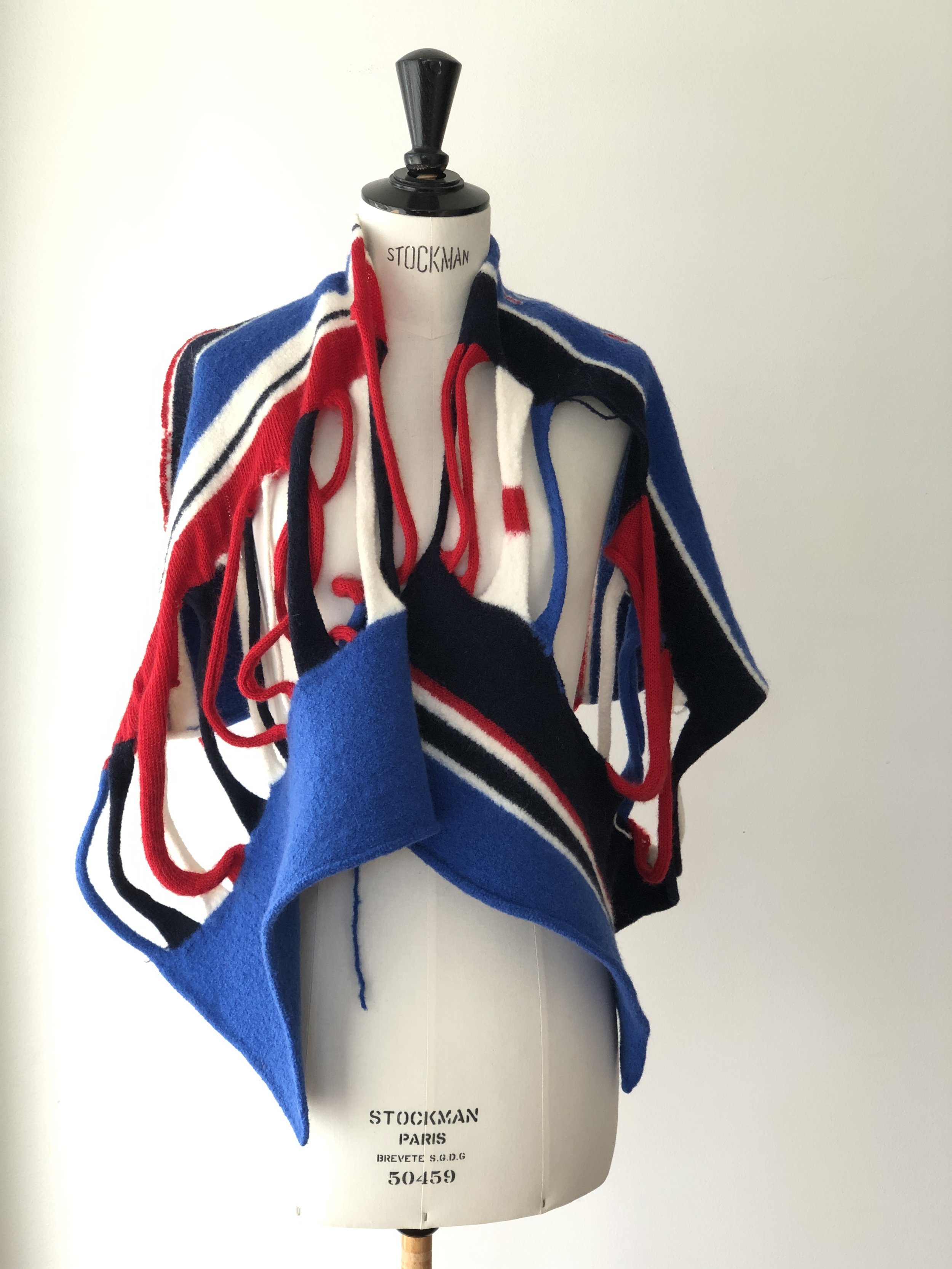
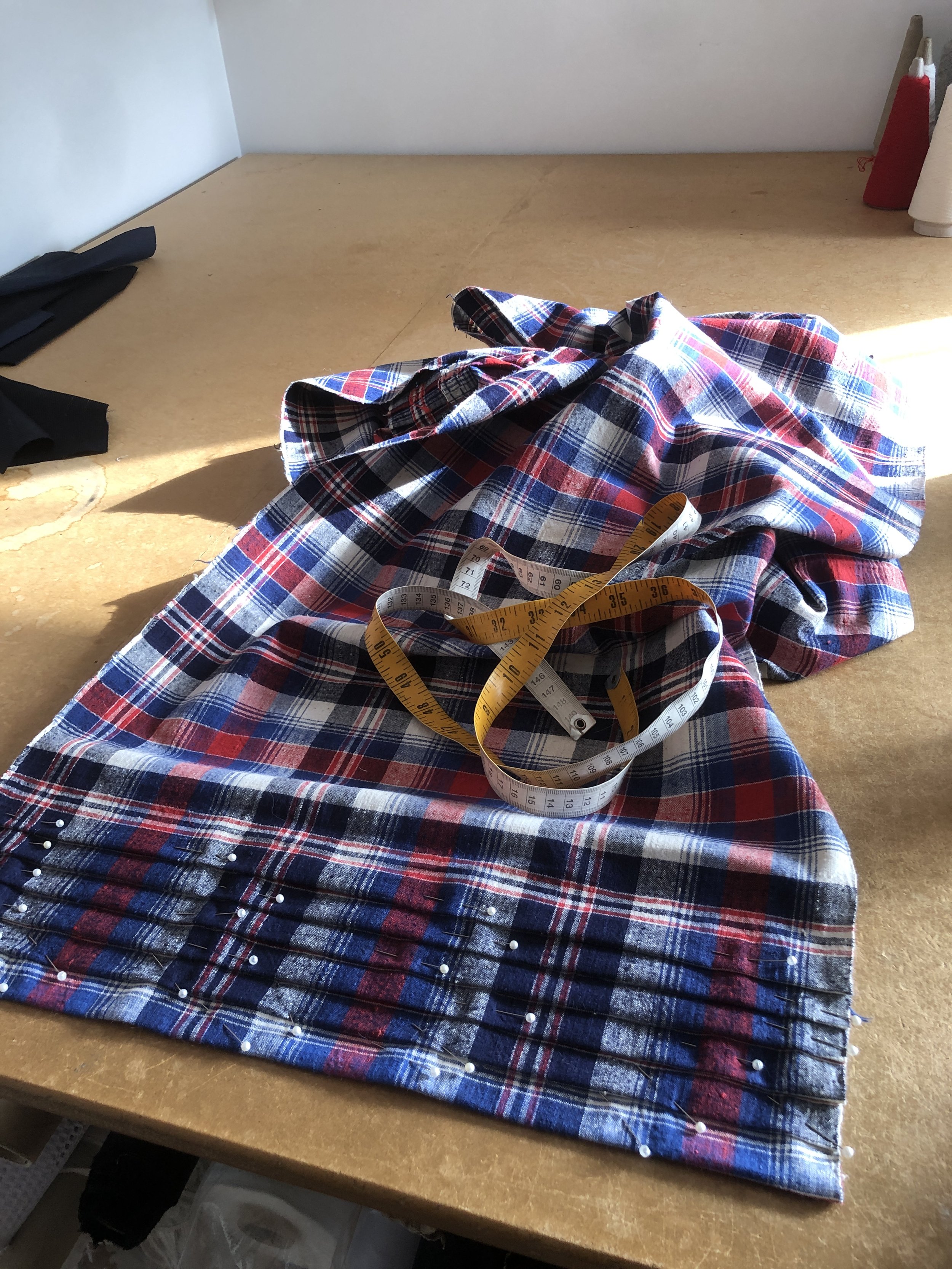
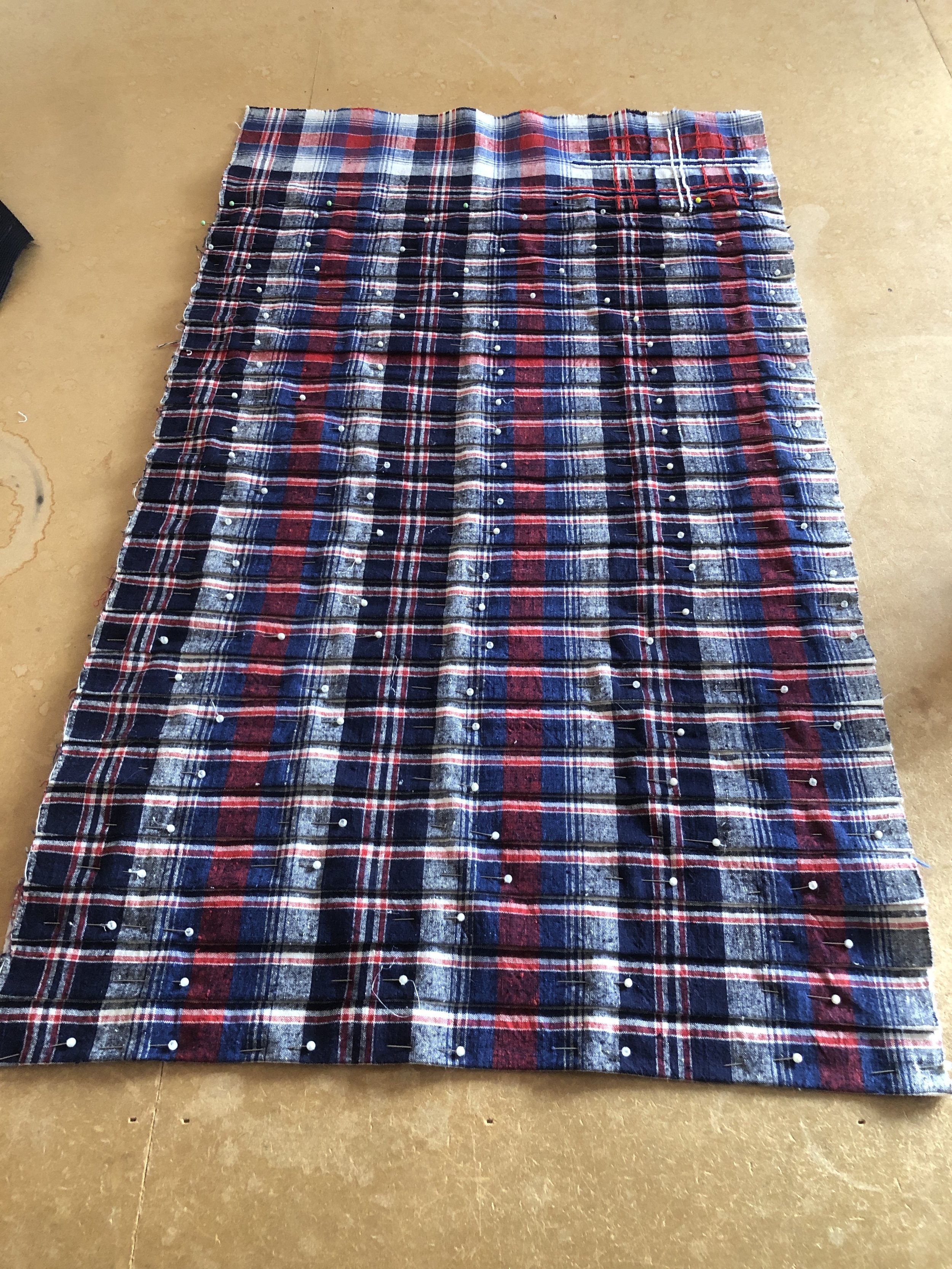
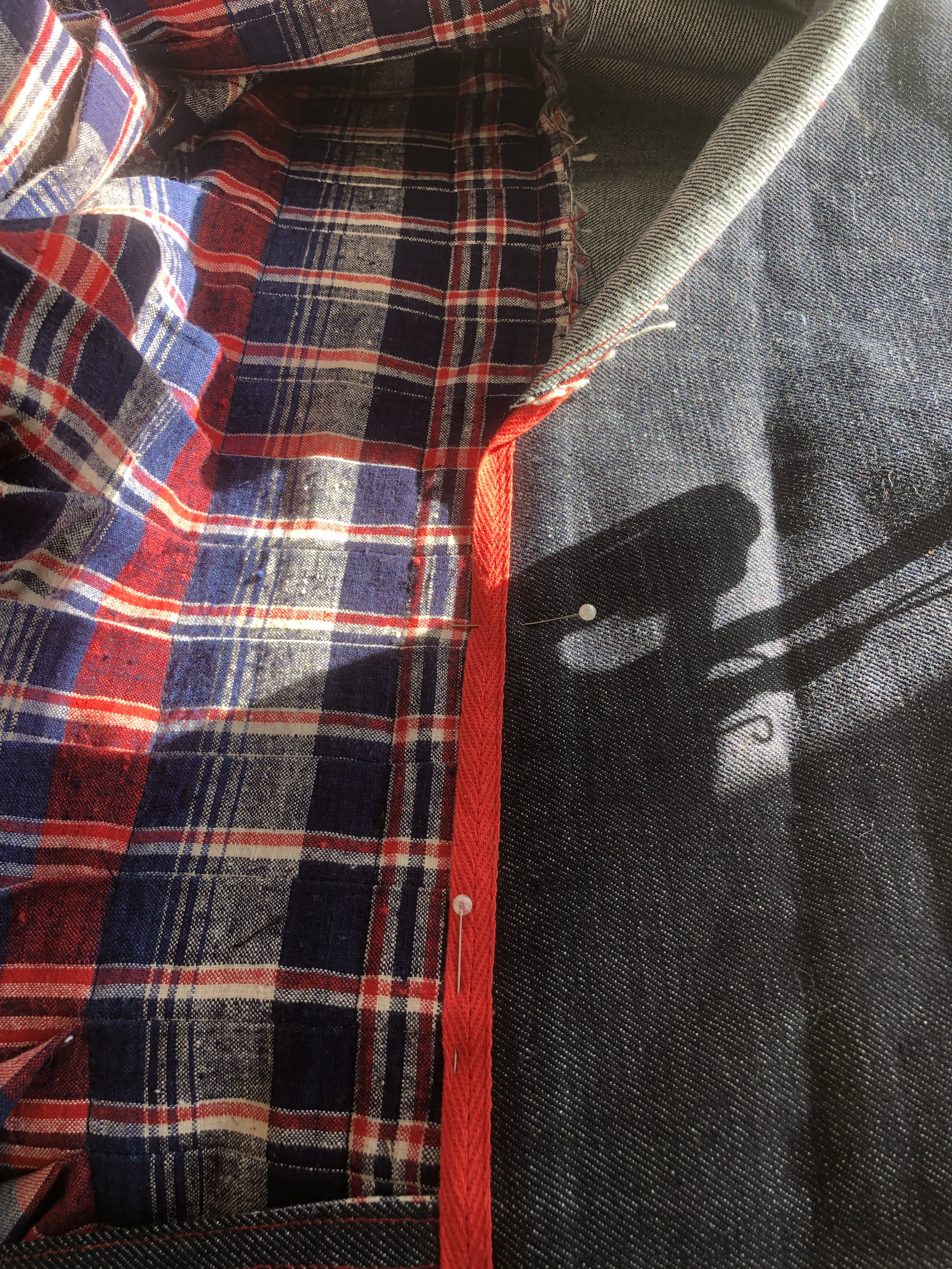
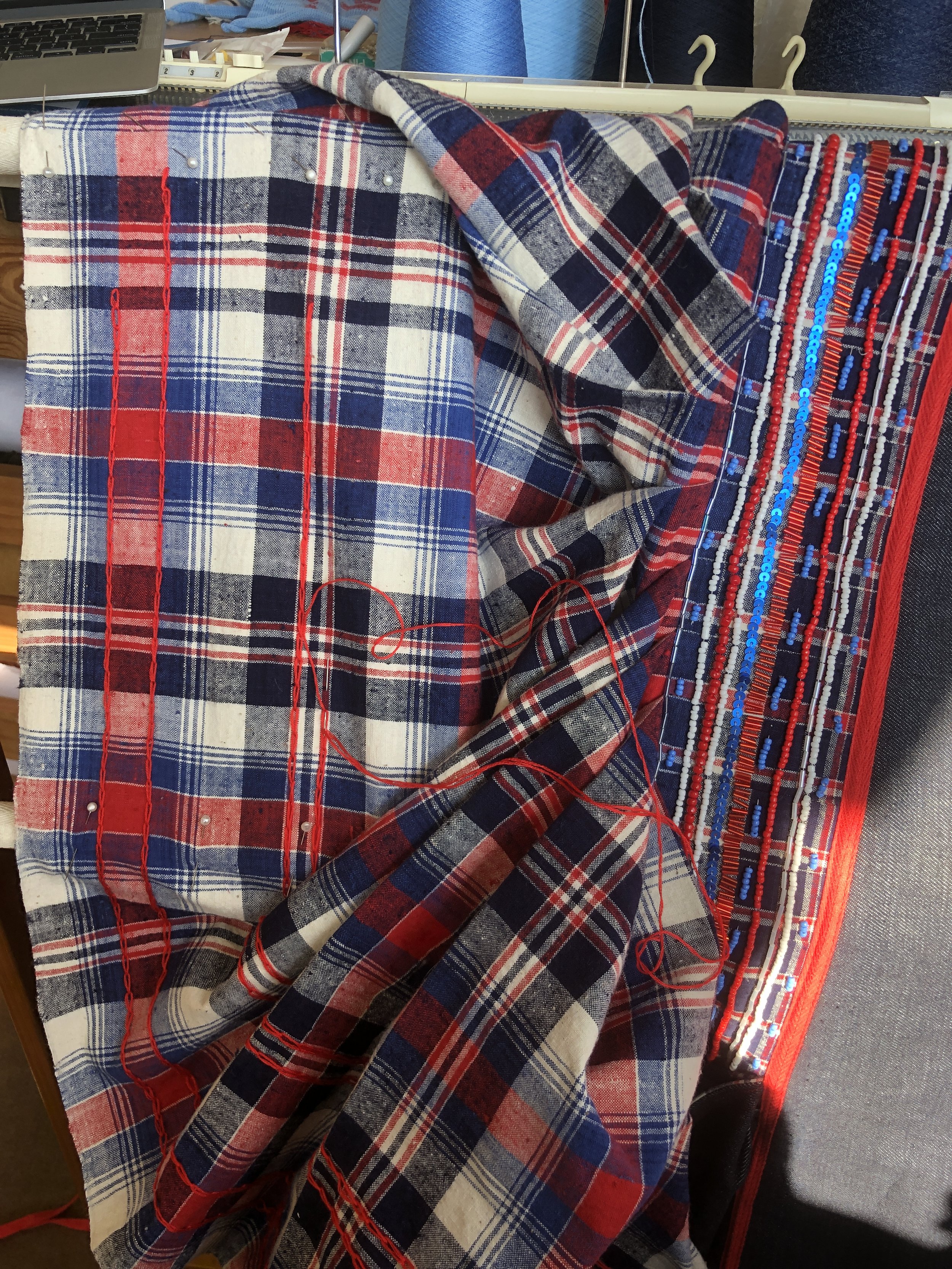
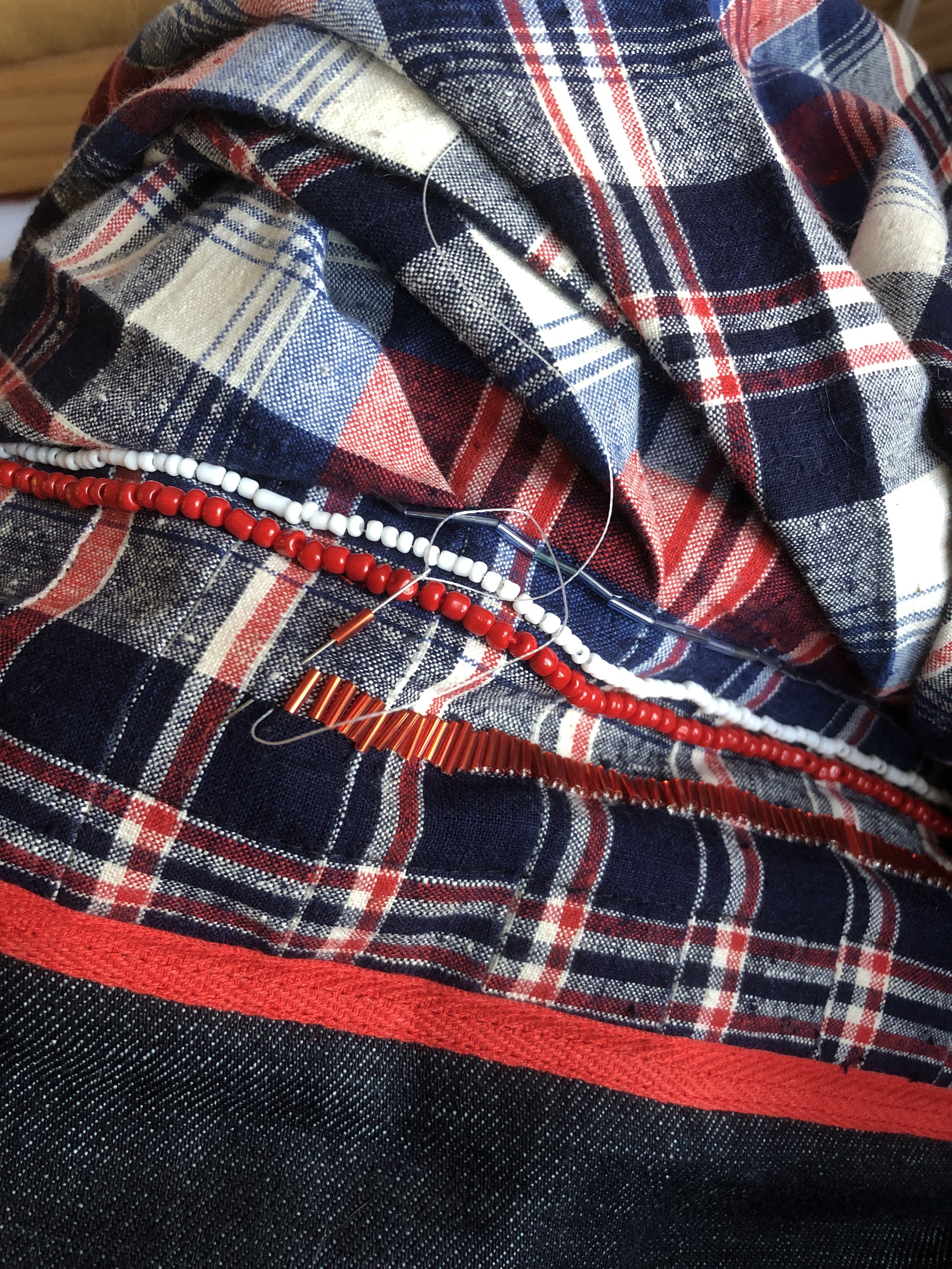
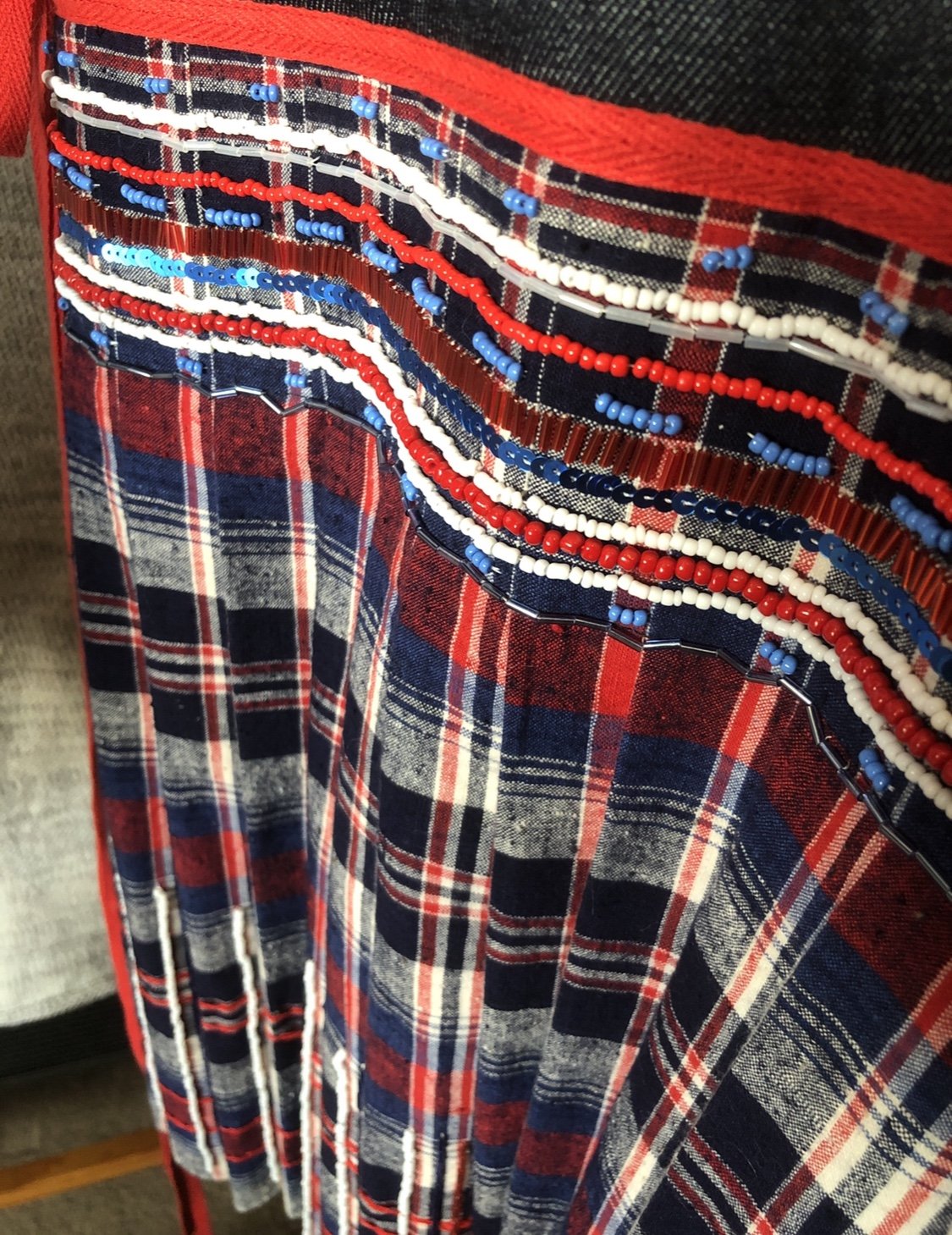
Combining machine knitting and felting with vintage tartan and selvedge denim, the piece reflects this experience of reclaiming space through making. For me, liberation was not about forgetting or resolving what had happened, but finding moments of autonomy, possibility and freedom on my own terms.
LOOK 6 — VOICE
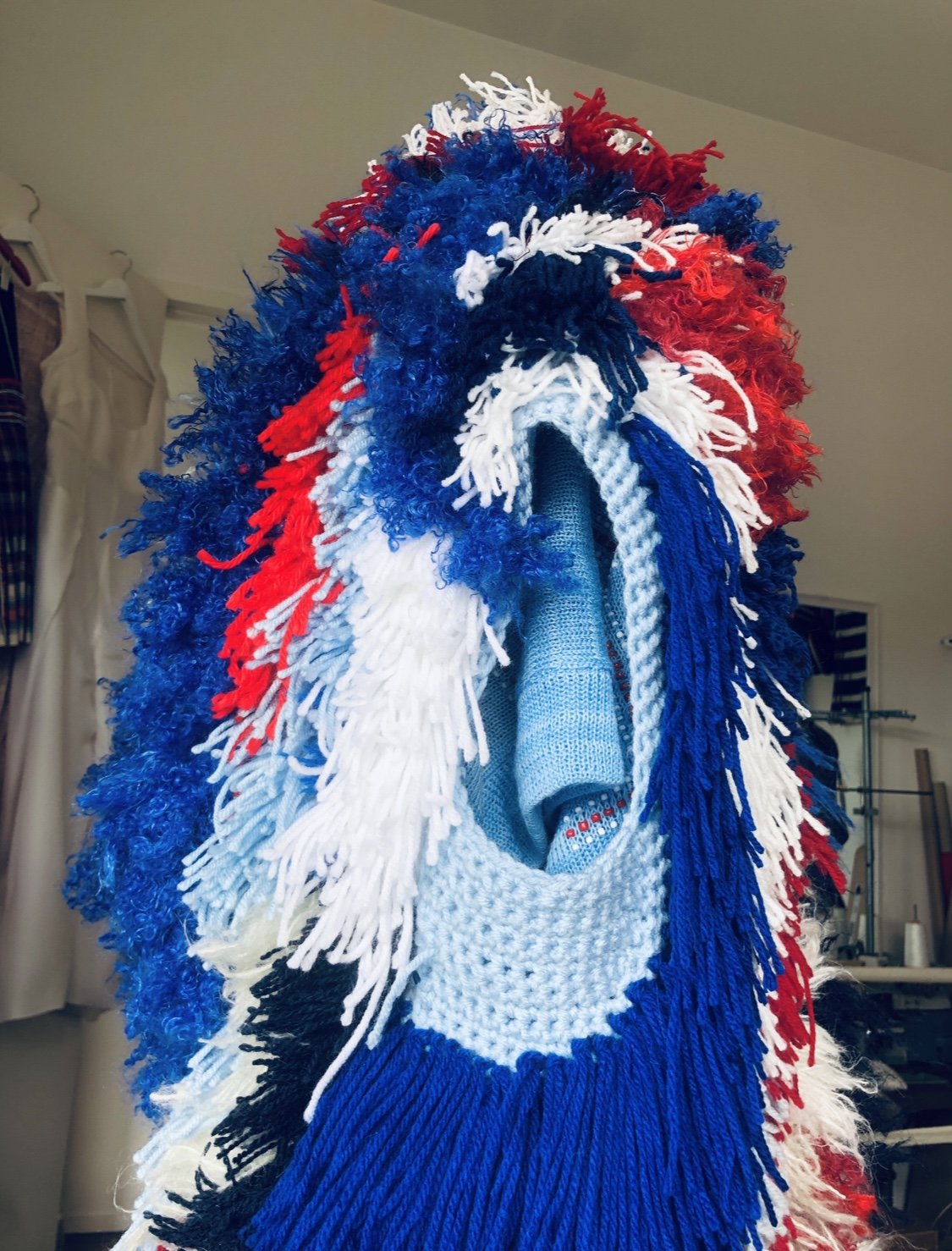
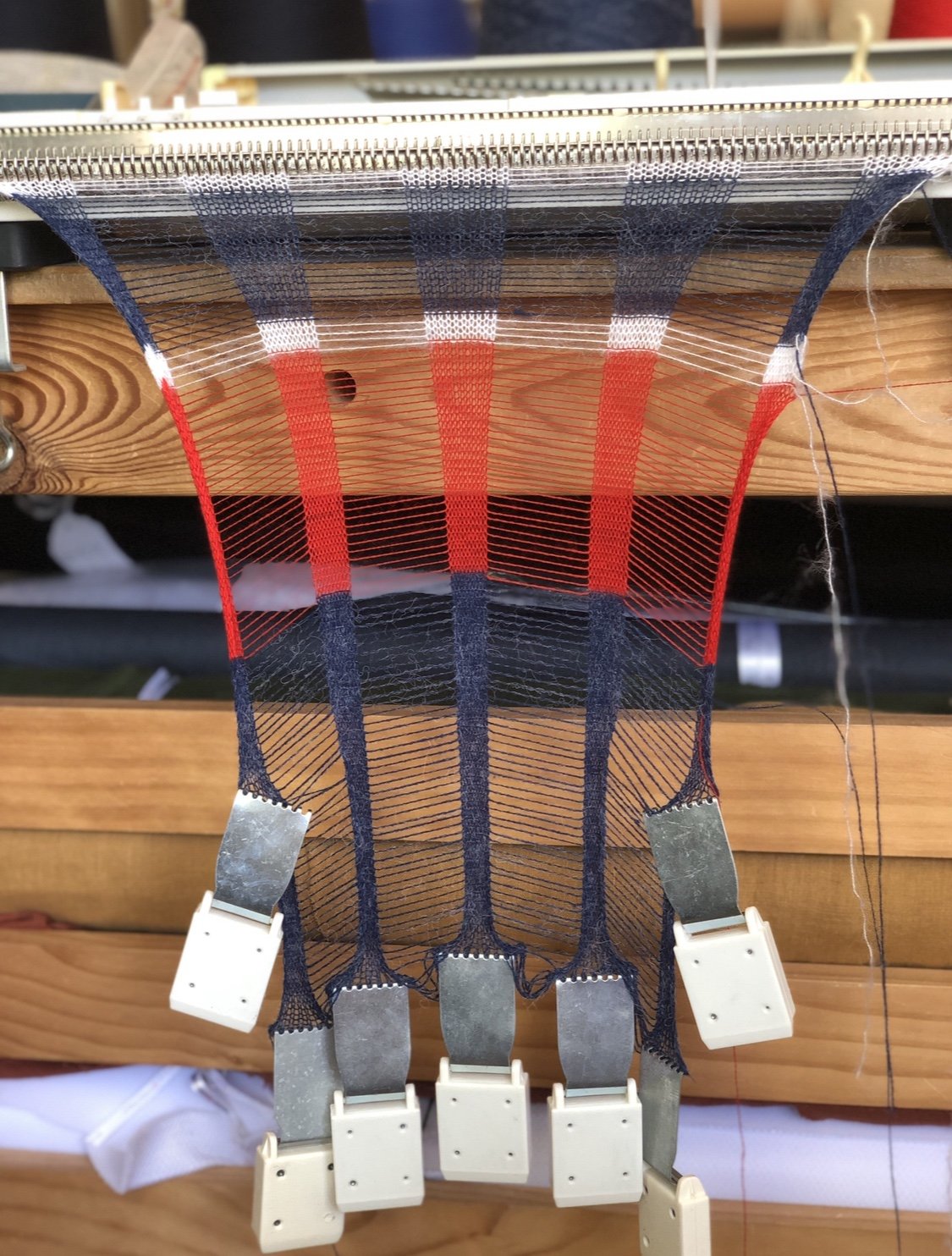
Voice explores the capacity of textile materials to communicate beyond words. Throughout the collection, I have used structure, texture and form to explore different experiences of making. In this final Look, I moved away from the more ordered vertical and horizontal structures of the earlier pieces, allowing texture and volume to take precedence.
Through the development of the textile, I explored how materials could express something that might otherwise be difficult to articulate verbally. The surface, form and physical qualities of the piece became a language in themselves.
For me, Voice represents the possibility of communicating through making. It reflects the idea that experiences and emotions do not always need to be expressed through words; they can also find form through materials, gestures and the things we create.